
Last Updated: February 2026
9 Inbound Marketing Strategies Every Ecommerce Brand Should Consider
Modern consumers are exposed to marketing everywhere. As a result, traditional interruptive advertising has become less effective over time. Many brands are shifting toward inbound marketing — an approach focused on attracting customers through value, education, and trust instead of aggressive promotion.
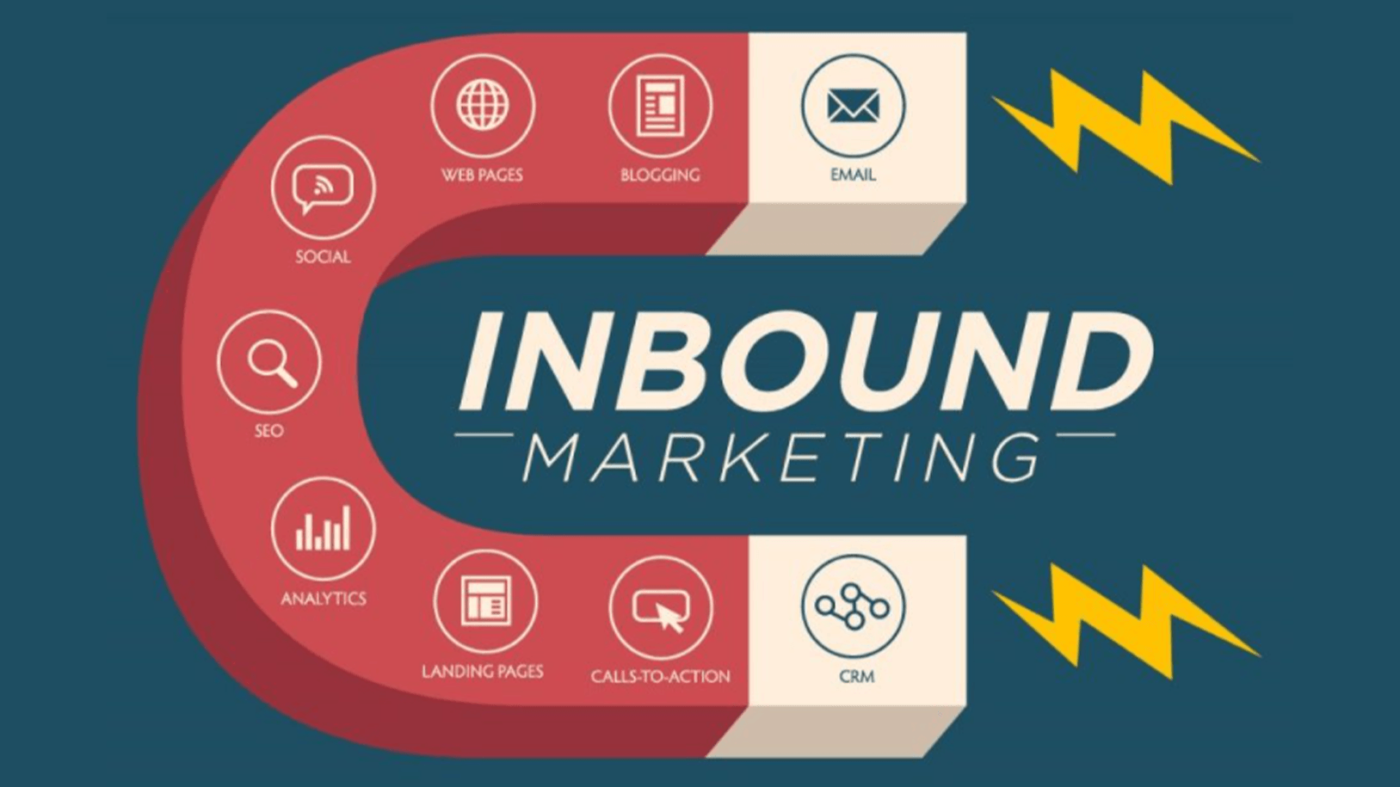
Inbound marketing works by helping customers discover your business naturally. Instead of pushing messages outward, you create content and experiences that encourage people to seek out your brand when they need solutions.
Quick Summary: What Inbound Marketing Does
- Attracts customers through valuable content
- Builds trust before the sale happens
- Improves long-term brand awareness
- Supports organic traffic growth
- Increases customer retention and lifetime value
What Is Inbound Marketing?
Inbound marketing is the process of attracting customers by providing useful and relevant information rather than interrupting them with advertisements. This approach focuses on education, problem-solving, and building relationships over time.
Instead of forcing attention, inbound strategies position your business as a helpful resource. When customers are ready to buy, they already trust your brand.
9 Inbound Marketing Strategies to Try
1. Share Your Brand Story
People connect with stories more than products. Sharing why your business exists and what it stands for helps customers relate to your brand and builds emotional connection.
2. Be Active and Helpful on Social Media
Inbound marketing on social platforms focuses on conversation rather than promotion. Responding to comments, answering questions, and providing value helps build credibility and encourages users to learn more about your brand.
3. Create Value-Driven Blog Content
Blogging allows businesses to educate their audience while demonstrating expertise. Helpful articles attract search traffic, answer customer questions, and position your brand as a trusted source of information.
4. Guest Blogging and Collaboration
Publishing content on other platforms exposes your brand to new audiences and builds authority. High-quality guest content can generate long-term referral traffic and brand visibility.
5. Use Infographics to Simplify Ideas
Infographics present complex ideas in an easy-to-understand visual format. They are highly shareable and help communicate information quickly to audiences who prefer visual learning.
6. Leverage Video Content
Video remains one of the most engaging content formats. Tutorials, product demonstrations, and educational videos help audiences understand value faster than written content alone.
7. Influencer and Creator Partnerships
Influencers introduce your brand through trusted recommendations rather than direct advertising. When aligned with the right audience, influencer partnerships can accelerate awareness and trust.
8. Offer Free Resources or Value First
Free guides, templates, or consultations allow customers to experience your expertise before making a purchase. Providing value upfront encourages long-term engagement.
9. Optimize Content for Search Engines
Inbound marketing works best when customers can find your content easily. Optimizing blog posts, videos, and landing pages helps your brand appear when people search for relevant topics.
Problems Inbound Marketing Helps Solve
1. Driving Consistent Traffic
Inbound strategies create long-term traffic sources through search engines, social sharing, and content discovery.
2. Increasing Brand Awareness
Helpful content spreads naturally, introducing your business to new audiences without paid advertising.
3. Improving Customer Retention
Brands that consistently provide value build stronger relationships and repeat customers.
4. Improving Conversion Rates
Customers who trust your brand before purchasing are more likely to convert.
5. Supporting Long-Term Sales Growth
Inbound marketing compounds over time, creating sustainable growth rather than short-term spikes.
Conclusion: Attract Instead of Interrupt
Inbound marketing works because it aligns with how modern consumers make decisions. By educating, helping, and engaging your audience, you create trust before asking for a sale.
When implemented consistently, inbound marketing becomes one of the most sustainable ways to grow an ecommerce business.



Very nice really amazing post thank for this.
Informative blog post on inbound marketing strategies. It offered helpful insights and practical tips for improving brand visibility and attracting customers. Well done!