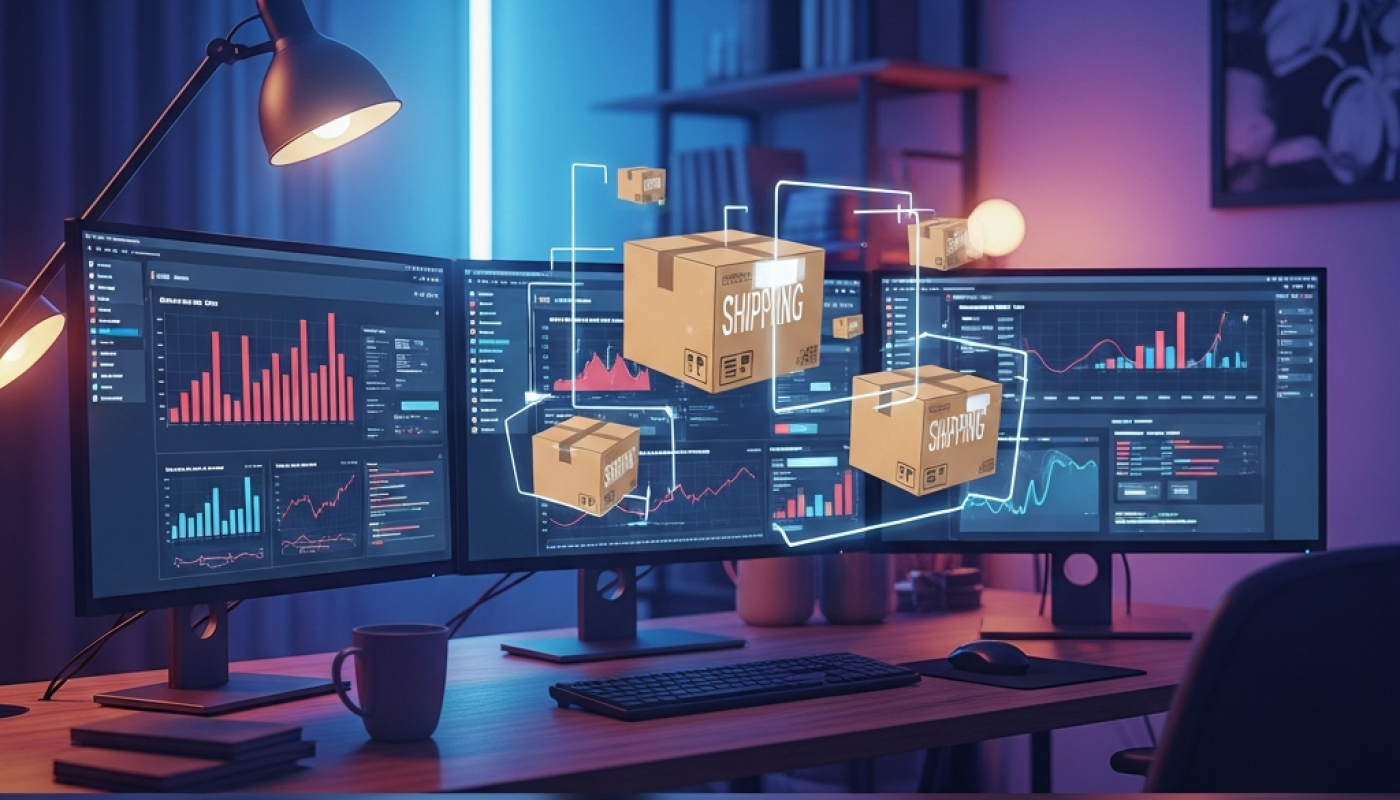
- Dropshipping automation software eliminates manual tasks like order processing, inventory syncing, and supplier communication—saving 15-20+ hours weekly for most store owners.
- The best tools in 2026 include DSers, AutoDS, Syncee, Zendrop, and CJdropshipping, each offering unique strengths for different business models.
- Full automation requires integrating product sourcing, order fulfillment, inventory management, and pricing rules into one cohesive system.
- Dropified stands out by combining one-click product imports, automated order routing, and multi-supplier management in a single platform built specifically for scaling stores.
- Starting with automation early prevents operational bottlenecks that kill growth—most successful dropshippers automate before hitting 50 daily orders.
Running a dropshipping business manually in 2026 is like trying to compete in Formula 1 with a bicycle. The market has evolved, customer expectations have skyrocketed, and your competitors are already using dropshipping automation software to process orders while they sleep.
This guide breaks down exactly how to automate your dropshipping operations—from the tools you need to the workflows that actually work. Whether you're processing 10 orders or 1,000 daily, automation isn't optional anymore. It's survival.
💡 Dropified Insight: Dropified's automated order fulfillment processes supplier orders in seconds, not hours. When a customer purchases from your store, Dropified automatically sends the order details to your supplier, tracks shipment status, and updates your customer—zero manual intervention required. This single feature recovers 10+ hours weekly for the average store owner.
What Is Dropshipping Automation and Why It Matters Now
Dropshipping automation uses software to handle repetitive e-commerce tasks without manual input. This includes product importing, inventory synchronization, order processing, price adjustments, and tracking updates.
The 2026 landscape demands this approach for three critical reasons:
- Supplier networks have expanded globally—manually managing US, European, and Asian suppliers simultaneously is impossible at scale
- Customer expectations now include same-day order confirmation and real-time tracking
- Profit margins require efficiency—every hour spent on manual tasks is money lost
According to Flxpoint's analysis of automation tools, web automation ensures accurate product data, real-time inventory insights, and faster decision-making without spending hours on manual updates.

The 5 Core Systems You Must Automate
Product Sourcing and Import Automation
Manual product research kills momentum. Modern dropshipping automation software scans supplier catalogs, identifies trending products, and imports them with optimized titles, descriptions, and images.
What to automate: – Product discovery based on profit margins and demand signals – One-click imports with automatic variant mapping – Image enhancement and watermark removal – SEO-optimized description generation
Dropified excels here with its browser extension that lets you import products from AliExpress, Alibaba, and dozens of other suppliers in a single click—complete with automatic variant organization.
Order Fulfillment Automation
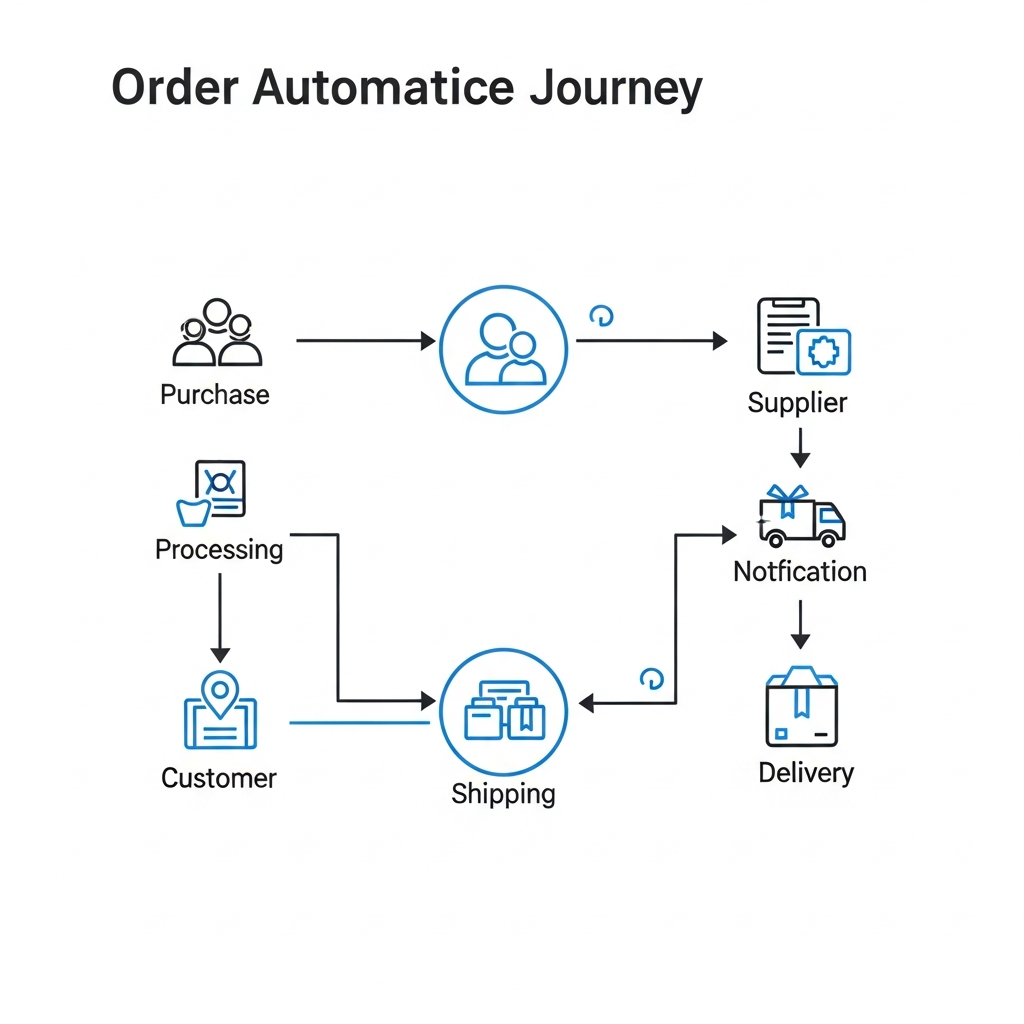
This is where most dropshippers waste the most time. Every order requires selecting suppliers, entering customer details, processing payment, and confirming shipment.
According to AutoDS research on fulfillment tools, automation is essential for scaling in 2026 because manual fulfillment simply doesn't keep up with modern e-commerce demands.
Key automation features: – Automatic order routing to preferred suppliers – Payment processing without manual card entry – Bulk order processing for high-volume days – Failed order retry systems
Inventory and Stock Synchronization
Nothing damages customer trust faster than selling out-of-stock items. Real-time inventory sync between your store and suppliers prevents overselling and automates product availability updates.
Critical sync points: – Quantity updates every 1-4 hours minimum – Automatic product hiding when stock hits zero – Price change alerts when supplier costs shift – Variant-level tracking for products with multiple options
Pricing Rule Automation
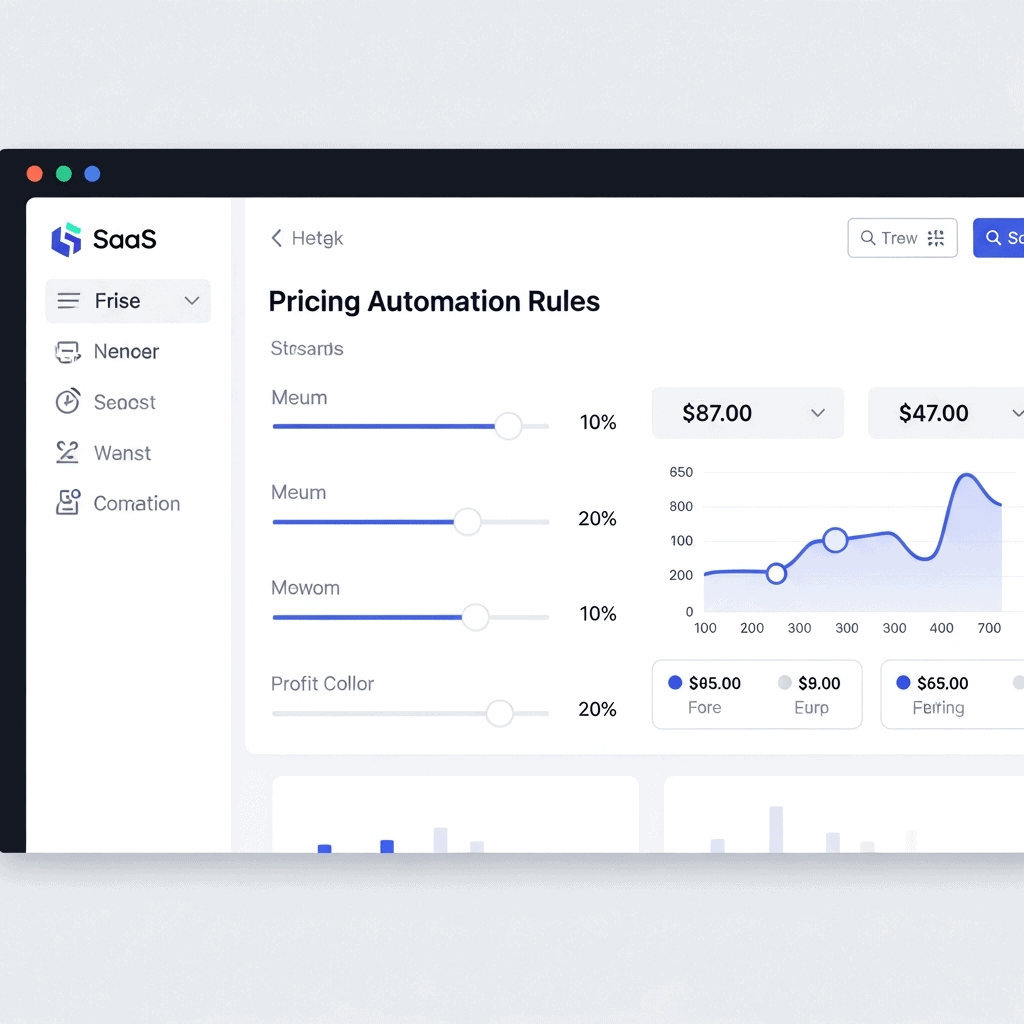
Your margins shouldn't require a calculator every time supplier prices change. Automation software applies pricing rules across your entire catalog instantly.
Smart pricing strategies: – Percentage markup rules (e.g., 2.5x supplier cost) – Tiered pricing based on product categories – Competitor price matching with minimum margin floors – Automatic sale pricing for slow-moving inventory
Customer Communication Automation
Buyers expect instant confirmation and proactive updates. Automation handles this communication at scale.
Automated touchpoints: – Order confirmation with expected delivery windows – Shipping notification with tracking links – Delivery confirmation requests – Review request sequences post-delivery
Top Dropshipping Automation Software in 2026
The market offers several strong options. Here's how the leading platforms compare:
| Software | Best For | Key Strength |
|---|---|---|
| Dropified | Scaling stores needing multi-supplier management | One-click automation with advanced order routing |
| DSers | AliExpress-focused beginners | Free tier with solid basic features |
| AutoDS | Hands-off fulfillment seekers | Fulfilled by AutoDS managed service |
| Syncee | Multi-region supplier access | US and EU supplier network |
| Zendrop | Fast US shipping priority | Domestic fulfillment partnerships |
API2Cart's 2026 analysis highlights Syncee's seamless integration with Shopify, WooCommerce, and BigCommerce for streamlined supplier management.
The Dropified Automation Advantage
What separates Dropified from generic automation tools is its purpose-built architecture for serious dropshippers.
Unique capabilities include:
- Multi-supplier order splitting: One customer order automatically routes to multiple suppliers when products come from different sources
- Supplier backup systems: If your primary supplier stocks out, orders automatically redirect to pre-configured alternatives
- Profit dashboard: Real-time visibility into actual margins after all costs
- Shopify, WooCommerce, and BigCommerce native integration: No middleware required
The platform processes orders in under 60 seconds from customer purchase to supplier notification. For stores handling 100+ daily orders, this single improvement saves 3-4 hours of manual work.
How to Implement Automation: Step-by-Step
Step 1: Audit Your Current Workflow
Before adding tools, document where your time actually goes. Track one week of operations: – Hours spent on order processing – Time importing and editing products – Customer service response handling – Inventory checking and updates
Step 2: Choose Your Primary Automation Platform
Select one core platform rather than cobbling together multiple tools. Integration headaches multiply with each additional software layer.
For most growing stores, Dropified provides the best balance of features, reliability, and scalability.
Step 3: Configure Automation Rules
Set up your business logic once: – Define pricing rules for each product category – Configure preferred suppliers with backup options – Create inventory threshold alerts – Design customer communication sequences

Step 4: Test Before Scaling
Run 20-30 orders through your automated system manually checking each stage. Identify failure points before they affect real customers.
Step 5: Monitor and Optimize
Automation isn't set-and-forget. Review weekly metrics: – Order processing success rate – Average fulfillment time – Supplier reliability scores – Customer complaint patterns
Common Automation Mistakes to Avoid
Over-automating customer service: Some interactions require human judgment. Automate updates, not complaint resolution.
Ignoring supplier quality: Automated systems amplify bad suppliers. Vet thoroughly before connecting them to your workflow.
Skipping backup configurations: Primary suppliers fail. Without automated fallbacks, your store stops functioning.
Choosing price over reliability: Free tools often cost more in lost orders and manual fixes than paid alternatives save.
The Bottom Line on Dropshipping Automation
The dropshipping businesses thriving in 2026 share one trait: operational efficiency through intelligent automation. Manual processes don't scale, and your competitors already know this.
Dropshipping automation software transforms your store from a time-consuming side project into a scalable business asset. The investment in proper tools pays for itself within weeks through recovered time and reduced errors.
Dropified offers the complete automation stack serious dropshippers need—from product sourcing through order fulfillment to customer updates. Every manual task you automate compounds into hours of freedom and dollars of profit.
Ready to stop working in your business and start working on it? Start your free Dropified trial today and experience what fully automated dropshipping actually feels like.
✨ Want an AI Summary of this article?