Dropshipping in 2026 is a low-risk ecommerce model where you sell products without holding inventory—suppliers ship directly to customers after you make a sale.
- No upfront inventory costs: You only purchase products after customers order, eliminating the need for warehouse space or bulk buying.
- Start with $50-$500: Modern platforms and AI tools have drastically lowered the barrier to entry compared to traditional retail.
- Automated fulfillment: Integration tools connect your store to suppliers who handle packing, shipping, and tracking automatically.
- Profit margins of 15-45%: Successful stores typically mark up products 2-3x the supplier cost while remaining competitive.
What Is Dropshipping and Why It Works in 2026
Dropshipping is a retail fulfillment method where store owners sell products to customers without ever physically handling the merchandise. When a customer places an order, you purchase the item from a third-party supplier who ships it directly to the customer's door.
The business model has evolved significantly in 2026. According to recent industry data highlighted in beginner guides, AI-powered product research tools and automated store builders have reduced setup time from weeks to literally minutes. What once required technical expertise and thousands in startup capital can now be launched with basic business knowledge and a few hundred dollars.
Why dropshipping remains viable in 2026:
- Lower competition in niche markets: While saturated products struggle, targeted niche stores with unique positioning still thrive
- Advanced automation tools: AI handles everything from product descriptions to customer service responses
- Improved supplier reliability: Platforms now vet suppliers rigorously, with faster shipping times (7-14 days vs. 30+ days in earlier years)
- Better profit margins: Direct supplier relationships and bulk negotiation tools help serious sellers maintain healthy margins
💡 Dropified Insight: Dropified's one-click product import feature eliminates hours of manual data entry by pulling product details, images, and variants directly from supplier platforms into your Shopify store. Our automated order fulfillment system then routes customer orders to the right suppliers instantly, removing the bottleneck that causes most new dropshippers to burn out during their first 100 orders.

Step 1: Choose Your Profitable Niche
The biggest mistake beginners make is trying to sell everything to everyone. In 2026's competitive landscape, niche specialization is non-negotiable.
How to identify a winning niche:
- Passion + Profit intersection: Choose a category you understand but that also has proven buyer demand
- Problem-solving products: Items that solve specific pain points sell better than generic commodity goods
- Avoid oversaturated markets: Stay away from ultra-competitive spaces like phone cases unless you have a unique angle
- Check profitability metrics: Target products with minimum $20-$30 markup potential
High-performing niches in 2026:
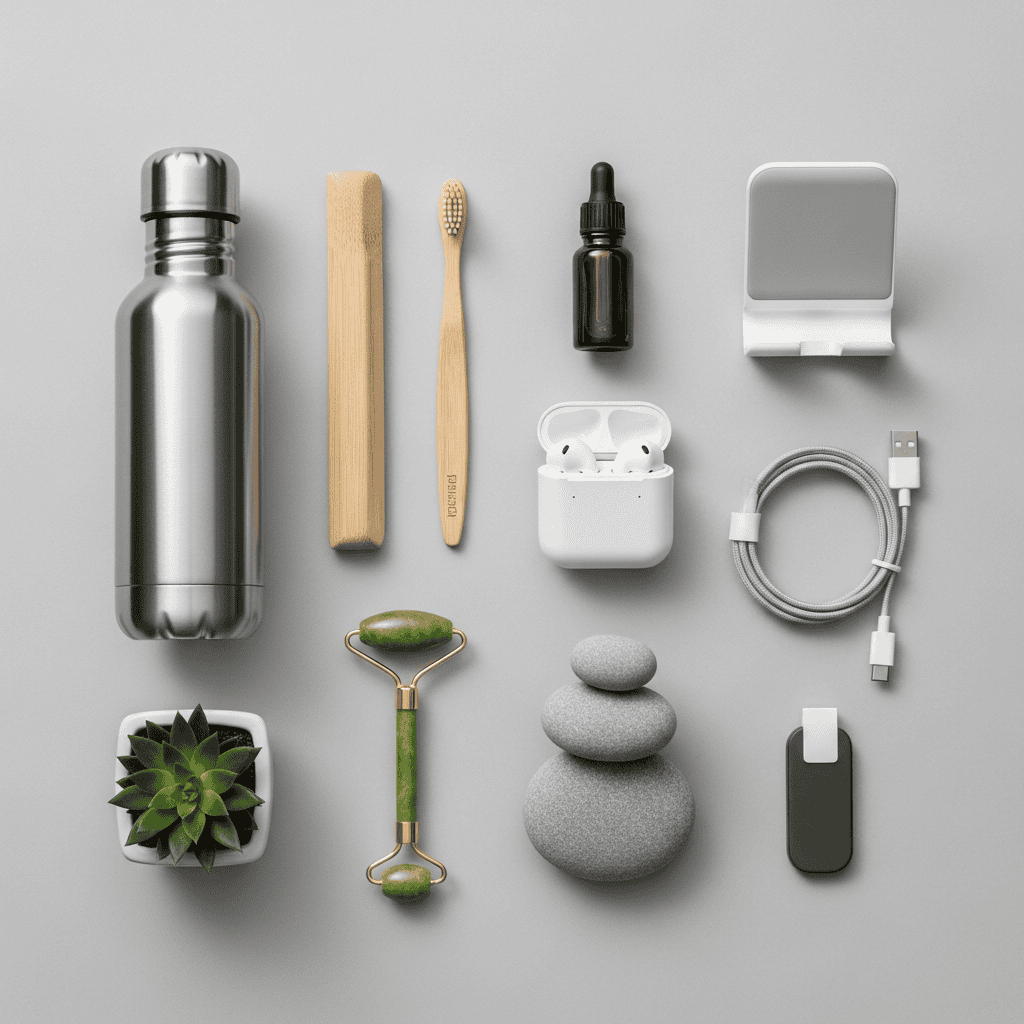
- Eco-friendly home products and sustainable living items
- Pet wellness and specialized pet accessories
- Home office productivity tools (remote work remains strong)
- Fitness recovery and wellness devices
- Hobby-specific tools for growing communities (pickleball, digital art, urban gardening)
Research current dropshipping guides from successful practitioners who emphasize that product validation before launch separates six-figure stores from failures. Use AI validation prompts to analyze search volume, competition level, and profit potential before committing to a niche.
Step 2: Find Reliable Suppliers
Your supplier relationship determines your business's success. Late shipments, poor quality products, and unresponsive communication kill customer trust faster than any other factor.
Top supplier platforms for 2026:
- AutoDS: Automated dropshipping platform with vetted suppliers and one-click product imports (currently offering 30-day trials)
- AliExpress: Still relevant for certain niches, but shipping times require careful management
- CJ Dropshipping: Growing platform with US warehouses for faster delivery
- Spocket: Focuses on US and EU suppliers with 2-5 day shipping times
- Zendrop: Combines product sourcing with quality control and branded packaging options
Supplier evaluation checklist:
- ✅ Average shipping time under 15 days (under 7 days for premium positioning)
- ✅ Minimum 4.5+ star rating with 1000+ reviews
- ✅ Responsive communication (test with pre-sales questions)
- ✅ Product quality verification (order samples before listing)
- ✅ Competitive pricing that allows 40%+ markup
- ✅ Clear return and refund policies

Step 3: Build Your Shopify Store
Shopify remains the dominant platform for dropshipping in 2026, offering beginner-friendly tools, reliable hosting, and seamless integrations with dropshipping apps.
Essential store setup steps:
- Get a Shopify account: Start with the $1 trial for three months (check current promotional offers)
- Choose a memorable domain: Use a .store or .com domain that reflects your niche identity
- Select a converting theme: Opt for clean, mobile-optimized themes like Dawn (free) or premium themes with proven conversion rates
- Install critical apps: Product import tools, email marketing apps, urgency creators, and analytics
Modern store best practices:
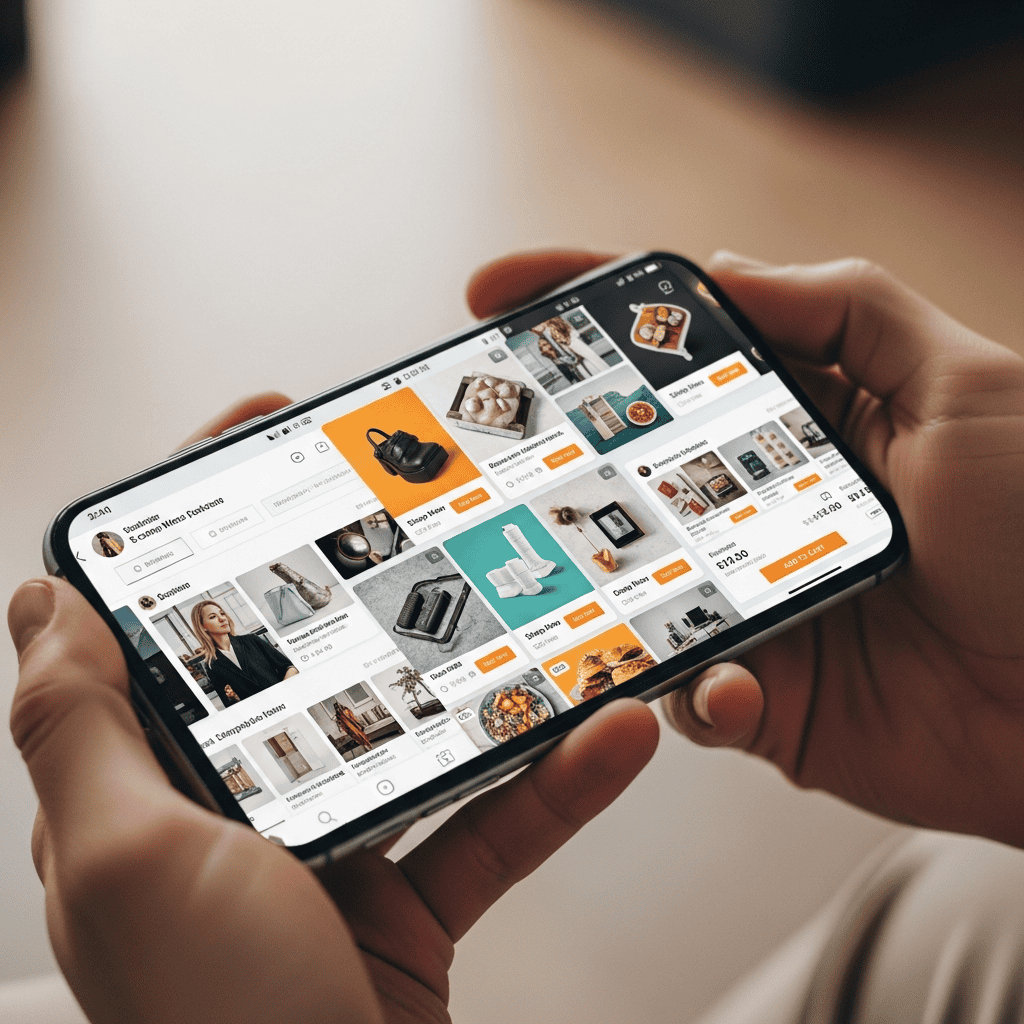
- Mobile-first design: Over 70% of dropshipping traffic comes from mobile devices
- Fast loading speeds: Compress images and minimize app bloat (target under 3-second load times)
- Trust signals: Display security badges, customer reviews, clear return policies, and contact information prominently
- Simplified checkout: Reduce cart abandonment with one-page checkout and multiple payment options
According to 2026 dropshipping tutorials, AI store builders can now create fully functional stores in under two minutes. While these provide excellent starting frameworks, customization for your specific niche remains crucial for differentiation.
Critical pages every store needs:
- Compelling homepage with clear value proposition
- Detailed product pages with high-quality images and benefit-focused descriptions
- Transparent shipping and returns policy page
- About Us page building brand story and trust
- Contact page with multiple communication channels

Step 4: Add Winning Products to Your Store
Product selection makes or breaks your dropshipping business. In 2026, data-driven product research has replaced guesswork.
Product validation framework:
- Trend analysis: Use Google Trends to verify consistent or rising search interest
- Competition assessment: Analyze competitors' product pages, pricing, and reviews
- Profit calculation: Factor in product cost, shipping, payment processing fees (2.9% + $0.30), and ad spend
- Problem-solution fit: Ensure the product solves a clear problem or fulfills a strong desire
- Visual appeal: Products must photograph well for social media advertising
Red flags to avoid:
- ❌ Products under $15 (difficult to profit after ad costs)
- ❌ Fragile items prone to shipping damage
- ❌ Highly regulated products (supplements, electronics with certifications)
- ❌ Copyrighted or trademarked items
- ❌ Oversaturated items without unique angles
💡 Dropified Insight: Dropified's product research dashboard aggregates data from multiple supplier platforms, showing you real-time pricing variations, shipping times, and supplier ratings side-by-side. This eliminates the tedious tab-switching that wastes hours during product research, letting you validate and import winning products 5x faster than manual methods.
Optimal product mix:
Start with 10-20 carefully curated products rather than overwhelming customers with hundreds of options. Include a mix of hero products (your main promotional items), complementary products (upsells), and impulse purchases (low-cost add-ons under $20).
Step 5: Price Your Products for Profit
Pricing strategy directly impacts your profit margins and perceived value. Too low, and you can't cover costs; too high, and customers abandon carts.
Proven pricing formulas:
- Keystone pricing: 2x the total product cost (product + shipping)
- Competitive pricing: Match market averages while emphasizing unique value
- Premium positioning: 2.5-3x markup justified by branding, faster shipping, or superior service
- Psychological pricing: $29.97 instead of $30 leverages perception of value
Cost structure breakdown (example):
- Product cost: $10
- Shipping to customer: $5
- Payment processing: $1.20
- Ad cost per sale: $8
- Total costs: $24.20
- Selling price: $39.97
- Net profit: $15.77 per sale (39.5% margin)
Factor in return rates (average 2-5% for dropshipping) and customer support costs when calculating long-term profitability. Your goal: minimum $15 net profit per product after all expenses.
Step 6: Set Up Payment and Shipping
Smooth payment processing and transparent shipping policies reduce friction and build customer confidence.
Payment gateway options:
- Shopify Payments: Simplest integration, no transaction fees beyond credit card rates
- PayPal: Still essential for customer trust and alternative payment preferences
- Shop Pay: Fast checkout for repeat customers
- Buy Now, Pay Later: Klarna or Afterpay increases average order values
Shipping strategy:
Be upfront about shipping times. In 2026, customers accept 7-14 day shipping if communicated clearly. Never promise next-day delivery you can't fulfill.
- Set realistic shipping estimates (use ranges: 7-14 days)
- Consider free shipping thresholds ($50+ orders)
- Offer expedited shipping as a premium option
- Provide tracking numbers automatically
- Set up shipping zones based on supplier capabilities
Pro tip: Use Dropified's automated order fulfillment to instantly push orders to suppliers with correct shipping addresses and customer notes, eliminating manual errors that cause delivery failures.

Step 7: Create High-Converting Product Pages
Your product page is your sales representative. Every element must work together to convince visitors to buy.
Essential product page elements:
- Benefit-driven headlines: Focus on outcomes, not just features (“Sleep Better Tonight” vs. “Memory Foam Pillow”)
- High-quality images: Minimum 5-7 images showing product from multiple angles, in use, and with scale reference
- Compelling descriptions: Break up text with bullet points highlighting key benefits, specifications, and use cases
- Social proof: Display customer reviews and ratings prominently
- Urgency elements: Limited stock indicators, countdown timers for sales (use authentically)
- Clear CTAs: Prominent “Add to Cart” buttons above and below the fold
- Trust badges: Money-back guarantees, secure checkout icons, customer support availability
AI-powered optimization:
Use AI tools to generate product descriptions that incorporate relevant keywords naturally. The latest tools can analyze top-performing competitor pages and identify persuasive elements to incorporate.
Step 8: Launch Effective Marketing Campaigns
Even the best store needs traffic. In 2026, paid advertising remains the fastest path to initial sales, while organic strategies build sustainable growth.
Paid advertising strategies:
Facebook/Instagram Ads: – Start with $10-20 daily budget for testing – Create 3-5 ad variations with different angles (problem-focused, benefit-focused, lifestyle-focused) – Target specific interests related to your niche (avoid broad audiences initially) – Use video ads showing product in action (significantly outperform static images) – Implement retargeting campaigns for cart abandoners
TikTok Ads: – Lower cost per click than Facebook in many niches – Authentic, user-generated content style performs best – Test with minimum $20 daily budget – Partner with micro-influencers for organic promotion
Google Shopping Ads: – Excellent for high-intent buyers actively searching – Requires product feed optimization – Higher conversion rates but typically higher costs
Organic marketing strategies:
- Content marketing: Create blog posts answering niche-specific questions (drives SEO traffic)
- Social media presence: Build brand awareness through consistent posting and engagement
- Email marketing: Capture emails with discounts, grow list, nurture with valuable content
- Influencer partnerships: Micro-influencers (10k-100k followers) offer better ROI than mega-influencers
Step 9: Handle Customer Service Excellence
Outstanding customer service differentiates successful long-term dropshipping businesses from quick-fade operators.
Customer service framework:
- Response time: Answer inquiries within 24 hours maximum (faster is better)
- Proactive communication: Send order confirmations, shipping updates, and delivery notifications automatically
- Clear policies: Make returns and refunds straightforward (reduces disputes)
- Problem resolution: Replace or refund problematic orders immediately—customer lifetime value exceeds single sale losses
- FAQ page: Address common questions about shipping, sizing, returns upfront
AI customer service tools:
Chatbots now handle 70-80% of routine questions (tracking, shipping times, return policies), freeing you to focus on complex issues and business growth.
Step 10: Analyze and Scale Your Business
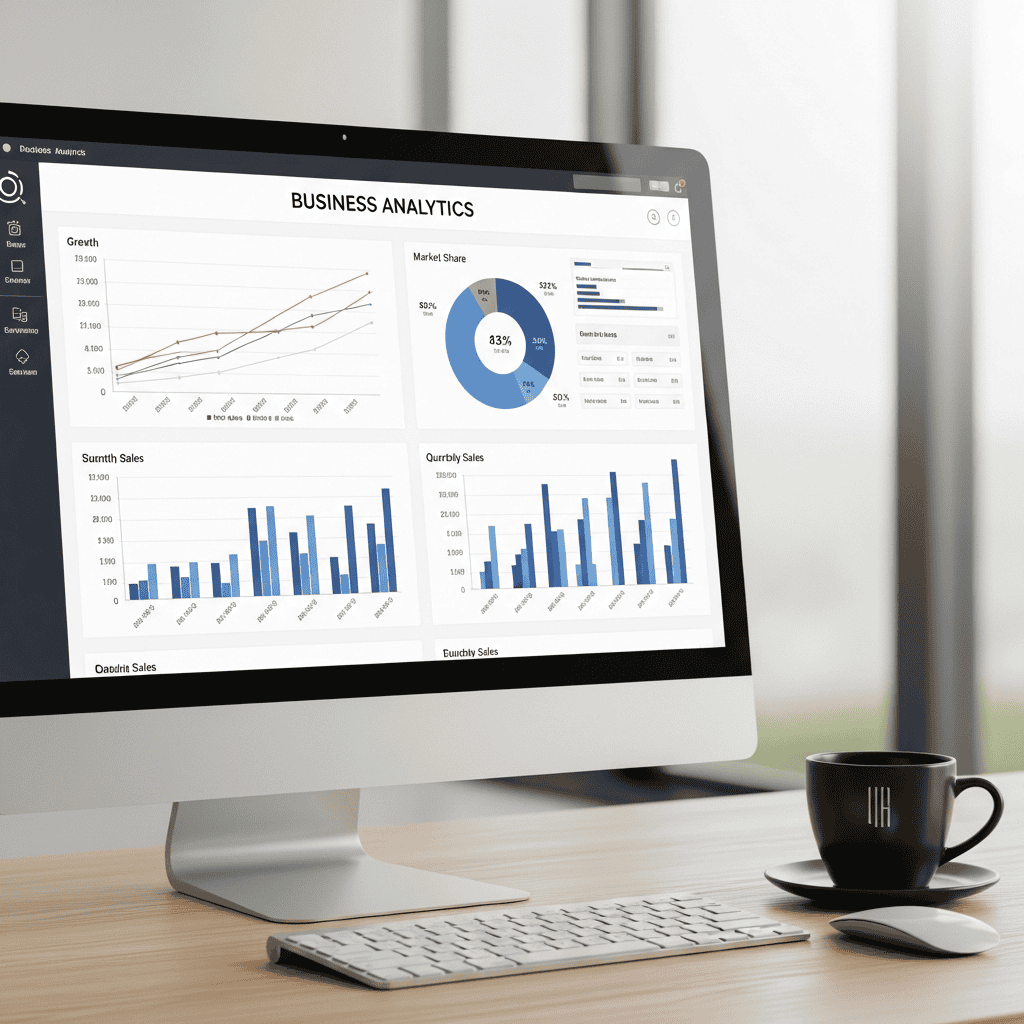
Data analysis separates hobby stores from profitable businesses. Track metrics religiously and optimize based on results.
Critical metrics to monitor:
- Conversion rate: Visitors who complete purchases (target 2-4%)
- Average order value (AOV): Revenue per transaction (increase with upsells)
- Customer acquisition cost (CAC): Total ad spend divided by new customers
- Return on ad spend (ROAS): Revenue generated per dollar spent on ads (target 2.5x minimum)
- Cart abandonment rate: Percentage of started checkouts not completed (average 70%, optimize checkout to reduce)
Scaling strategies:
- Increase ad spend gradually: Double budget on winning campaigns every 3-5 days
- Expand product line: Add complementary products to successful niches
- Improve AOV: Implement upsells, cross-sells, and bundle offers
- Optimize conversion rate: A/B test product pages, checkout process, and pricing
- Diversify traffic sources: Reduce reliance on single platform
- Build brand equity: Transition from generic dropshipping to branded store
💡 Dropified Insight: Dropified's analytics dashboard consolidates profit metrics across all your products and suppliers, showing you which items actually make money after all fees. Many dropshippers unknowingly lose money on certain products—our margin calculator factors in every cost automatically, helping you eliminate losers and scale winners faster.
Common Dropshipping Mistakes to Avoid
Learning from others' failures saves time and money:
- Choosing products solely based on low prices: Focus on value and margins, not cheapest options
- Ignoring mobile optimization: 70%+ of your traffic will be mobile
- Neglecting product research: Launch based on data, not hunches
- Poor supplier vetting: One bad supplier ruins your reputation
- Giving up too early: Most successful stores weren't profitable in the first 30 days
- Copying competitors exactly: Differentiate through branding, service, or positioning
- Ignoring customer feedback: Reviews and complaints reveal improvement opportunities
- Underestimating costs: Account for all fees, returns, and support time
Legal and Tax Considerations
Operating legally protects your business and prevents costly penalties:
- Business registration: Form an LLC or sole proprietorship based on your jurisdiction
- Sales tax collection: Use Shopify's automatic tax calculation for compliance
- Terms of service: Create clear policies for shipping, returns, and privacy
- Supplier agreements: Establish clear terms with suppliers regarding quality and fulfillment
- Income tax obligations: Set aside 25-30% of profits for tax payments
- Trademark awareness: Never use copyrighted images or branded terms without authorization
Consult with an accountant and attorney familiar with ecommerce to ensure full compliance in your specific location.
The Reality: Is Dropshipping Worth It in 2026?
The honest truth: Dropshipping isn't a get-rich-quick scheme. It's a legitimate business model requiring consistent effort, smart decisions, and persistence.
Realistic timeline expectations:
- Months 1-2: Store setup, product testing, learning advertising platforms (expect losses or break-even)
- Months 3-4: Finding winning products, optimizing campaigns, first consistent profits
- Months 5-6: Scaling profitable products, refining systems, $2,000-5,000 monthly revenue
- Months 7-12: Mature operations, expanding product lines, $5,000-15,000+ monthly revenue (for dedicated entrepreneurs)
Success rates vary dramatically. According to various industry sources cited in recent guides, roughly 10-20% of dropshippers achieve sustainable profitability. The difference? Those who succeed treat it as a real business, not a side hobby.
Your competitive advantages in 2026:
- AI tools reduce technical barriers
- Better supplier platforms improve reliability
- Proven playbooks eliminate guesswork
- Automation handles repetitive tasks
- Community resources provide support
Start Your Dropshipping Journey Today
Building a profitable dropshipping business in 2026 is entirely achievable with the right approach. Focus on finding genuine product-market fit, delivering excellent customer experiences, and making data-driven decisions.
The dropshippers who succeed are those who provide real value—solving problems, curating quality products, and building trust with customers. The technology and tools are more accessible than ever, but your commitment, consistency, and customer focus determine your outcome.
Your next steps:
- Choose your niche based on the criteria outlined above
- Start your Shopify trial and set up your store framework
- Research and validate 10-15 potential products using AI tools
- Import your first products and optimize your store pages
- Launch with a small advertising budget and test your market
- Analyze results and iterate based on performance data
The best time to start was five years ago. The second-best time is today. Take action, stay persistent through the learning curve, and build the profitable online store you've been planning.
Ready to streamline your dropshipping operations? Start your free Dropified trial and experience how automation transforms your fulfillment process, saves hours of manual work, and helps you scale faster than competitors still handling orders manually.
Note: Dropshipping profitability varies based on niche selection, marketing effectiveness, and operational efficiency. All profit estimates mentioned are examples based on industry averages and not guarantees of individual results.
✨ Want an AI Summary of this article?