
- An agentic workflow in e-commerce operations is a system where AI agents autonomously plan, execute, and optimize multi-step business tasks — like inventory management, order fulfillment, and customer support — without requiring human intervention at every stage.
- Unlike basic automation (which follows rigid rules), agentic workflows reason through context, adapt to changing conditions, and make decisions dynamously across your entire operation.
- Key areas where agentic workflows deliver immediate ROI include support triage, refund automation, shipping logistics, dynamic pricing, and inventory replenishment.
- Small e-commerce teams benefit most because agentic systems effectively multiply operator capacity — handling the workload of 3-5 employees across back-office functions.
- Adoption is accelerating fast: by 2026, leading platforms already embed agentic capabilities into core commerce infrastructure, making this a competitive necessity rather than an optional upgrade.
💡 Dropified Insight: Dropified's automated order fulfillment and one-click product import features already mirror the core principles of agentic workflows — removing manual steps between product sourcing, listing, and order processing. As agentic AI matures, Dropified users are positioned to layer intelligent automation on top of an already streamlined pipeline, turning a semi-automated store into a fully autonomous operation.
What Exactly Is an Agentic Workflow?
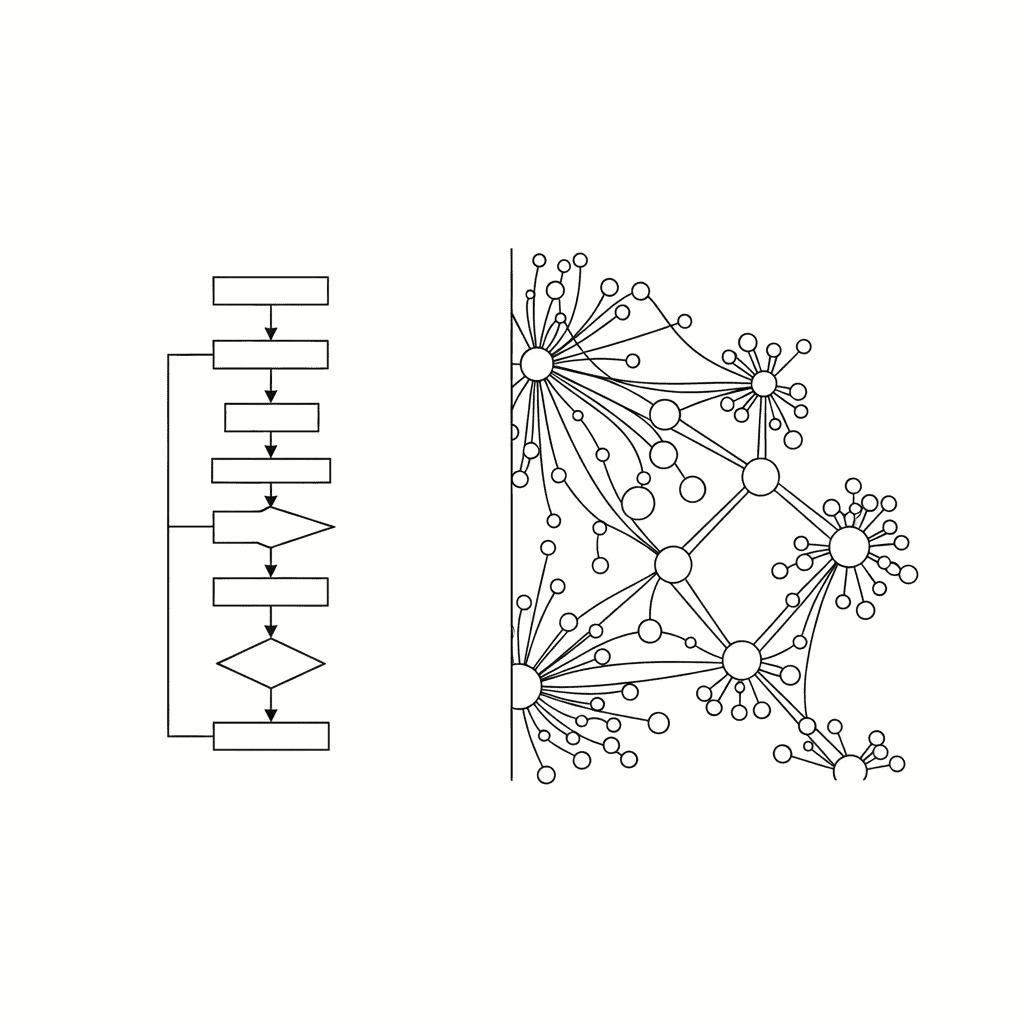
An agentic workflow is a sequence of operational tasks executed by an AI agent that can independently plan, reason, act, and learn from outcomes. In traditional automation, you set a rule: “When inventory drops below 50, reorder 200 units.” The system follows that rule blindly.
An agentic workflow does something fundamentally different. It monitors inventory across multiple warehouses and sales channels, evaluates current sell-through velocity, checks supplier lead times, factors in upcoming promotions, and then decides how much to reorder — and from which supplier.
The distinction matters for every e-commerce operator: rules-based automation handles tasks; agentic workflows handle decisions.
According to BigCommerce's analysis, these autonomous agents “extend beyond traditional AI by dynamically adapting to context, learning from outcomes and improving performance over time.” That continuous improvement loop is what separates agentic systems from every automation tool you've used before.
Why Agentic Workflows Matter for E-Commerce Operations in 2026
The e-commerce landscape has shifted dramatically. Customer expectations for speed, personalization, and accuracy have outpaced what manual processes — and even basic automation — can deliver.
Here's the operational reality most store owners face:
- Order volumes fluctuate unpredictably across channels
- Supplier reliability varies week to week
- Customer inquiries spike during promotions with no warning
- Pricing competitors adjust their strategies multiple times daily
Agentic workflows address all four simultaneously. As Nosto reports, agentic commerce “embeds decision-making intelligence at the heart of operations, eliminating bottlenecks, unlocking efficiency, and scaling personalization like never before.”

For small teams especially, this is transformative. Instead of hiring separate people for inventory management, customer support, and shipping logistics, an agentic system handles the cognitive load across all three.
The 5 Core Components of an Agentic E-Commerce Workflow
Not all agentic systems are created equal. A fully functional agentic workflow in e-commerce includes these five components:
1. Perception Layer
The agent continuously ingests data — sales velocity, customer behavior, supplier updates, competitor pricing, and marketplace trends. It doesn't wait for a trigger. It watches everything, all the time.
2. Reasoning Engine
This is the brain. The agent evaluates multiple data streams, weighs trade-offs, and determines the optimal course of action. Should you restock Product A from Supplier X at a higher cost but faster delivery, or Supplier Y at lower cost with a 10-day delay? The reasoning engine decides.
3. Action Execution
Once a decision is made, the agent acts — placing orders, adjusting prices, sending customer responses, updating listings, or flagging errors that need human review.
4. Learning Loop
Every outcome feeds back into the system. A refund that resolved a complaint in 30 seconds teaches the agent to apply that resolution pattern to similar cases. A reorder that arrived late shifts the agent's supplier reliability scores.
5. Coordination Protocol
In multi-agent setups, different agents handle different domains (inventory, support, marketing) and coordinate through shared context. This prevents conflicting actions — like running a flash sale while inventory is critically low.
Real-World Agentic Workflow Applications in Dropshipping
Here's where theory meets practice. These are the specific agentic workflow applications already generating ROI for e-commerce operators:
Intelligent Inventory Replenishment According to Triple Whale's research, agentic inventory systems “continuously monitor stock levels across multiple warehouses and sales channels” and don't simply reorder — they evaluate context before acting. For dropshippers using Dropified, this means the system could eventually assess supplier reliability across categories before routing an order.
Autonomous Customer Support Triage GoShippo's analysis found that operators are prioritizing internal acceleration — “support triage, refund automation, faster access to order data, shipping logic.” An agentic support agent resolves tier-1 tickets, escalates complex issues with full context attached, and learns which resolution types satisfy customers fastest.
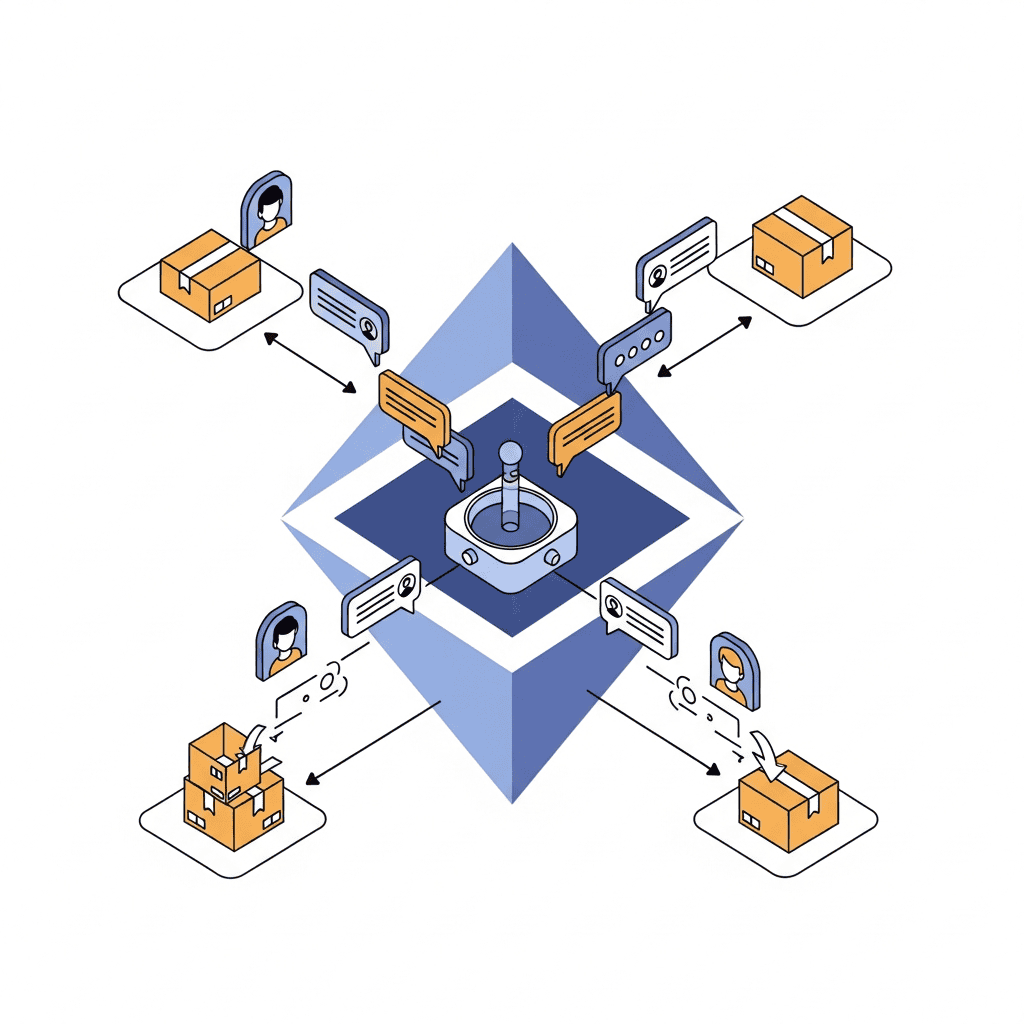
Dynamic Pricing Optimization Rather than setting static prices or basic rules, an agentic pricing agent monitors competitor prices, your margin thresholds, inventory levels, and demand signals — then adjusts pricing in real time across all channels.
Shipping Cost Optimization An agentic system can evaluate carrier options, package dimensions, delivery speed requirements, and customer location to select the optimal shipping method per order. This is especially critical when you're calculating true shipping costs for bulky products.
The Agentic Maturity Framework: Where Does Your Store Fall?
Most competitors discuss agentic workflows in abstract terms. Here's a practical framework — original to this analysis — to assess your operational readiness:
| Level | Stage | Characteristics |
|---|---|---|
| 1 | Manual | All decisions made by humans; spreadsheets and email |
| 2 | Rule-Based | Basic automations triggered by static conditions |
| 3 | Assisted | AI suggests actions; humans approve and execute |
| 4 | Semi-Agentic | AI executes routine decisions; humans handle exceptions |
| 5 | Fully Agentic | AI agents autonomously manage end-to-end workflows |
Most dropshipping stores in 2026 operate between Level 2 and Level 3. Dropified users who leverage automated fulfillment and product imports are already at Level 3-4 for sourcing and order processing workflows.

The competitive gap is widening. Stores operating at Level 4+ process orders faster, respond to customers quicker, optimize margins continuously, and scale without proportionally increasing headcount.
How to Prepare Your E-Commerce Store for Agentic Workflows
You don't need to overhaul everything overnight. Start with these high-impact steps:
-
Audit your repetitive decisions. List every daily decision you make — reorder quantities, pricing changes, support responses. These are your agentic workflow candidates.
-
Centralize your data. Agentic systems need clean, connected data. Ensure your inventory, orders, customer data, and supplier information flow into unified systems.
-
Start with one workflow. Pick the highest-volume, lowest-risk process. Order fulfillment is ideal — and Dropified's automated fulfillment pipeline is the perfect foundation.
-
Define your guardrails. Decide which decisions the agent can make autonomously and which require human approval. Set spending limits, margin floors, and escalation triggers.
-
Measure and expand. Track time saved, error reduction, and margin improvement. Then apply agentic workflows to the next operational bottleneck.

Key Takeaways
Agentic workflows represent the most significant operational shift in e-commerce since the move from manual listing to automated product imports. They don't just execute tasks — they think, decide, act, and improve across your entire operation.
The stores that adopt agentic principles now — even in basic forms like automated fulfillment and smart product management — will compound their operational advantage over competitors who wait.
Your next step: Start your free Dropified trial and experience the foundation of agentic e-commerce — automated product imports, one-click order fulfillment, and streamlined supplier management. Build the infrastructure today that your AI agents will run tomorrow.
✨ Want an AI Summary of this article?