
- Bulky product shipping costs in dropshipping range from $80–$300+ per order, making accurate pre-listing calculation essential to protect your margins.
- Dimensional (DIM) weight pricing—not actual weight—determines your cost for oversized items; carriers like UPS, FedEx, and USPS charge whichever is greater.
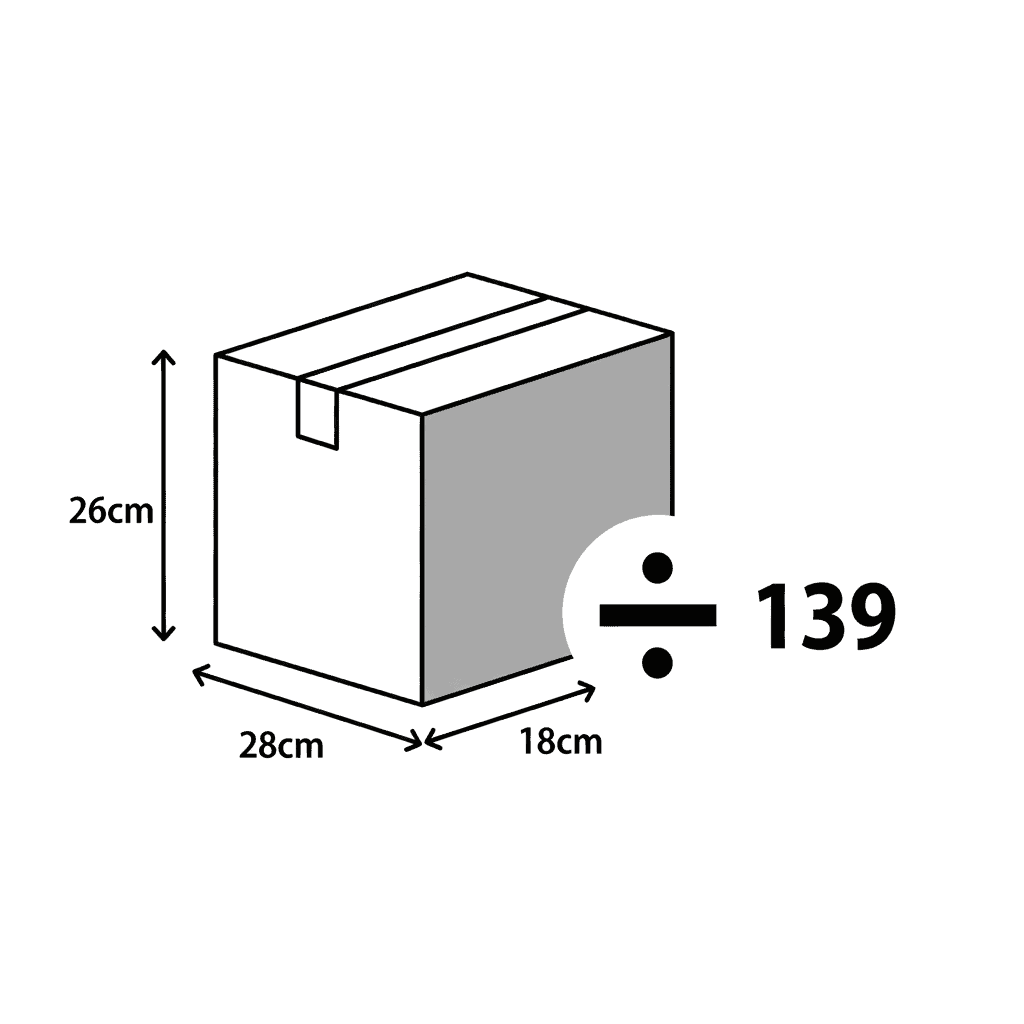
- Use the formula: (Length × Width × Height) ÷ DIM factor (typically 139 for domestic carriers) to calculate DIM weight, then compare against actual weight.
- Build a per-SKU shipping cost spreadsheet that includes carrier rates, packaging surcharges, residential delivery fees, and zone-based pricing before setting your retail price.
- Automate product sourcing and cost tracking with Dropified to avoid manual errors that silently destroy profit on every oversized order you fulfill.
Why Bulky Product Shipping Costs Destroy Dropshipping Margins
Most dropshipping beginners underestimate shipping costs by 40–60% on oversized products. A standing desk that weighs 45 lbs but ships in a 48×30×12-inch box doesn't cost $12 to ship—it costs $80 to $300+, depending on destination zone and carrier.
The root problem is dimensional weight pricing. Carriers no longer price purely by scale weight. They calculate a “DIM weight” based on box size and charge whichever number is higher. For bulky, low-density products like furniture, fitness equipment, or large home décor, DIM weight almost always exceeds actual weight.
If you list a product at $89.99 with “free shipping” without calculating true freight costs, you can easily lose $30–$50 per sale. Multiply that across 100 orders and you've burned through $3,000–$5,000 in hidden losses.
Understanding how to analyze product reviews and pick winning products is only half the equation. You also need to know what those products actually cost to deliver.
How to Calculate Dimensional Weight Step by Step
Dimensional weight is the single most important concept for pricing bulky dropshipped items. Here's the exact process every carrier uses:
The DIM Weight Formula
DIM Weight (lbs) = (Length × Width × Height in inches) ÷ DIM Factor
The standard DIM factor for UPS, FedEx, and USPS domestic shipments is 139. For international shipments, it drops to 166 (metric) or varies by carrier agreement.
Worked example: 1. Product ships in a box measuring 36″ × 24″ × 18″ 2. Multiply: 36 × 24 × 18 = 15,552 cubic inches 3. Divide by 139 = 111.9 lbs DIM weight 4. Actual product weight: 28 lbs 5. Carrier charges based on 111.9 lbs — not 28 lbs
That single calculation changes your shipping cost from roughly $12 (at 28 lbs) to $150+ (at 112 lbs). Miss this step and your entire product margin evaporates.
According to ShippingEasy's dimensional weight calculator, carriers round each dimension to the nearest whole number—9.50 to 9.99 rounds up to 10, which further inflates DIM weight.
💡 Dropified Insight: Dropified's one-click product import pulls supplier-listed dimensions and weights directly into your dashboard, giving you the raw data needed for DIM weight calculations before you ever list a product. Pair this with Dropified's automated order fulfillment to lock in pre-negotiated shipping rates and avoid per-order pricing surprises that eat into your bulky-item margins.
The True Cost Breakdown: What Most Calculators Miss
Carrier base rates are only the starting point. Bulky product shipping includes several hidden surcharges that basic calculators ignore entirely.
Hidden Fees You Must Account For
- Residential delivery surcharge: $4.50–$6.50 per package (UPS/FedEx charge extra for home delivery vs. commercial addresses)
- Additional handling fee: $12–$18 per package for items exceeding 50 lbs or 48 inches on any side
- Large package surcharge: $40–$90 for packages where length + girth exceeds 130 inches
- Delivery area surcharge: $3–$7 extra for rural or extended ZIP codes
- Fuel surcharge: 5–8% added on top of base rate, adjusted weekly
A product listing on your Shopify store might show a “shipping cost” of $25 from a rate calculator that only factors base weight. The real cost after surcharges: $65–$110.
This is exactly why understanding how much you can make dropshipping requires honest cost accounting—not optimistic estimates.

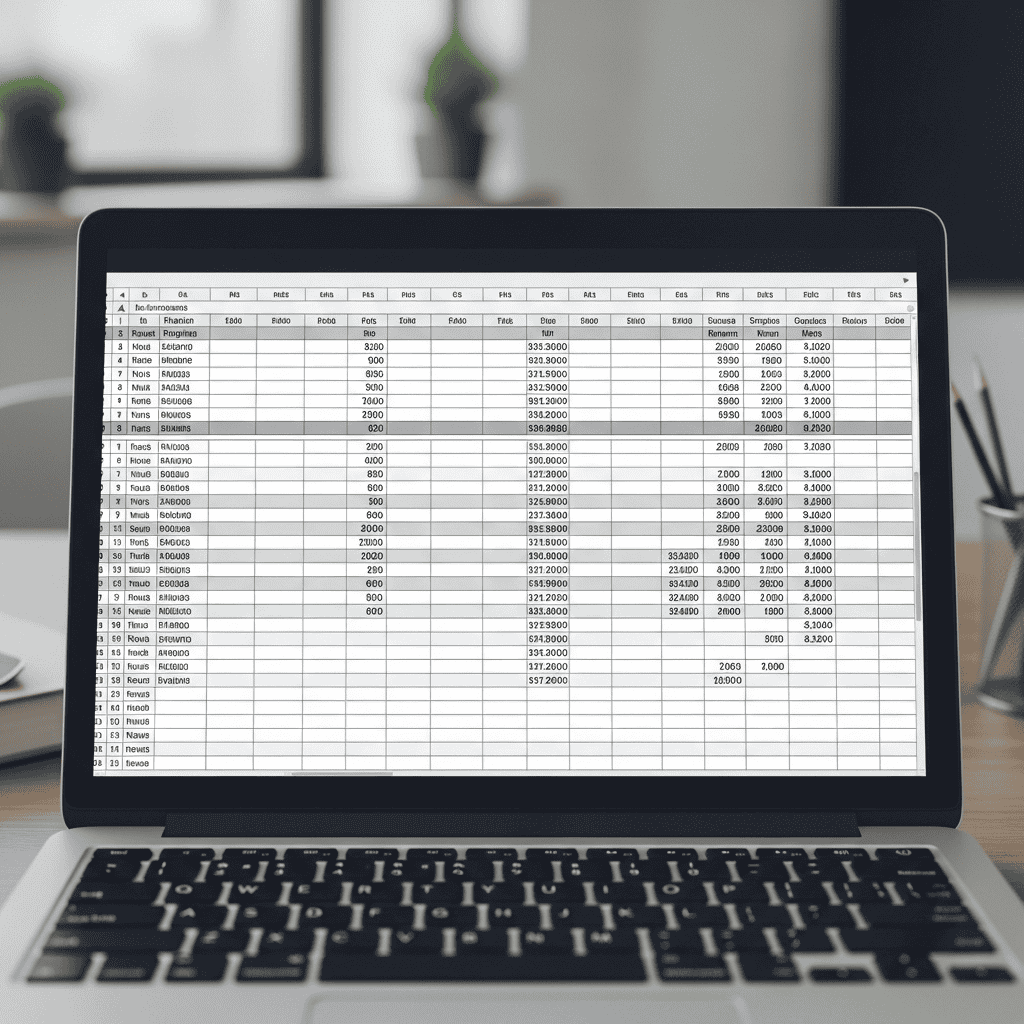
Build a Per-SKU Shipping Cost Spreadsheet (The 2026 Framework)
Here's a proprietary framework—the Landed Cost Per Unit (LCPU) method—that top-performing bulky-item dropshippers use before listing a single product. This goes beyond what any standard dropshipping calculator provides.
The LCPU Spreadsheet Columns
| Column | What to Enter | Source |
|---|---|---|
| Product Cost | Supplier wholesale price | Supplier catalog |
| Box Dimensions (L×W×H) | Actual shipping box size | Supplier or sample order |
| Actual Weight | Scale weight in lbs | Supplier spec sheet |
| DIM Weight | (L×W×H) ÷ 139 | Your calculation |
| Billable Weight | Higher of actual vs. DIM | Comparison |
| Base Carrier Rate | Rate for billable weight + zone | Carrier rate tool |
| Surcharges | Residential + handling + large pkg | Carrier surcharge table |
| Fuel Surcharge | Base rate × current fuel % | Carrier website (weekly) |
| Total Landed Cost | Sum of all above | Your spreadsheet |
Zone-Based Pricing: The Variable Most Sellers Ignore
Carrier rates change dramatically based on shipping zone (distance from origin to destination). A 112-lb DIM weight package costs roughly:
- Zone 2 (nearby): $85–$110
- Zone 5 (mid-range): $140–$180
- Zone 8 (cross-country): $220–$300+
The data from Dropship Lifestyle's 2025 shipping guide confirms that freight and oversized items consistently land in the $80–$300+ range. Pricing your product using only Zone 2 rates guarantees losses on distant orders.
Pro move: Price your product based on Zone 5 average costs to absorb most variability, then negotiate volume discounts with your carrier as order volume grows.
Freight Shipping: When Parcel Carriers Stop Making Sense
Once a product exceeds 150 lbs or 165 inches (length + girth), parcel carriers like UPS and FedEx won't accept it. You enter LTL (Less Than Truckload) freight territory.
Freight shipping introduces an entirely different cost structure:
- Freight class: Products are classified 50–500 based on density, handling, and liability. Higher class = higher cost.
- Liftgate fees: $75–$150 if the delivery location doesn't have a loading dock (most residential addresses).
- Inside delivery: $100–$200 extra to bring the item past the threshold.
- Appointment scheduling: $25–$50 to coordinate a delivery window.
For dropshippers selling furniture, large appliances, or gym equipment, freight can add $150–$400 per order. As Atomix's shipping guide notes, freight carriers offer bulk options for palletized goods—but only if you're consistently shipping volume.
If you're sourcing from USA-based dropshipping suppliers, many will handle freight logistics directly, but you still need their rate tables to price accurately.

Pricing Strategies That Protect Your Margins
Once you know your true shipping cost, you need a pricing strategy that doesn't scare away buyers while keeping you profitable.
Three Proven Approaches for Bulky Items
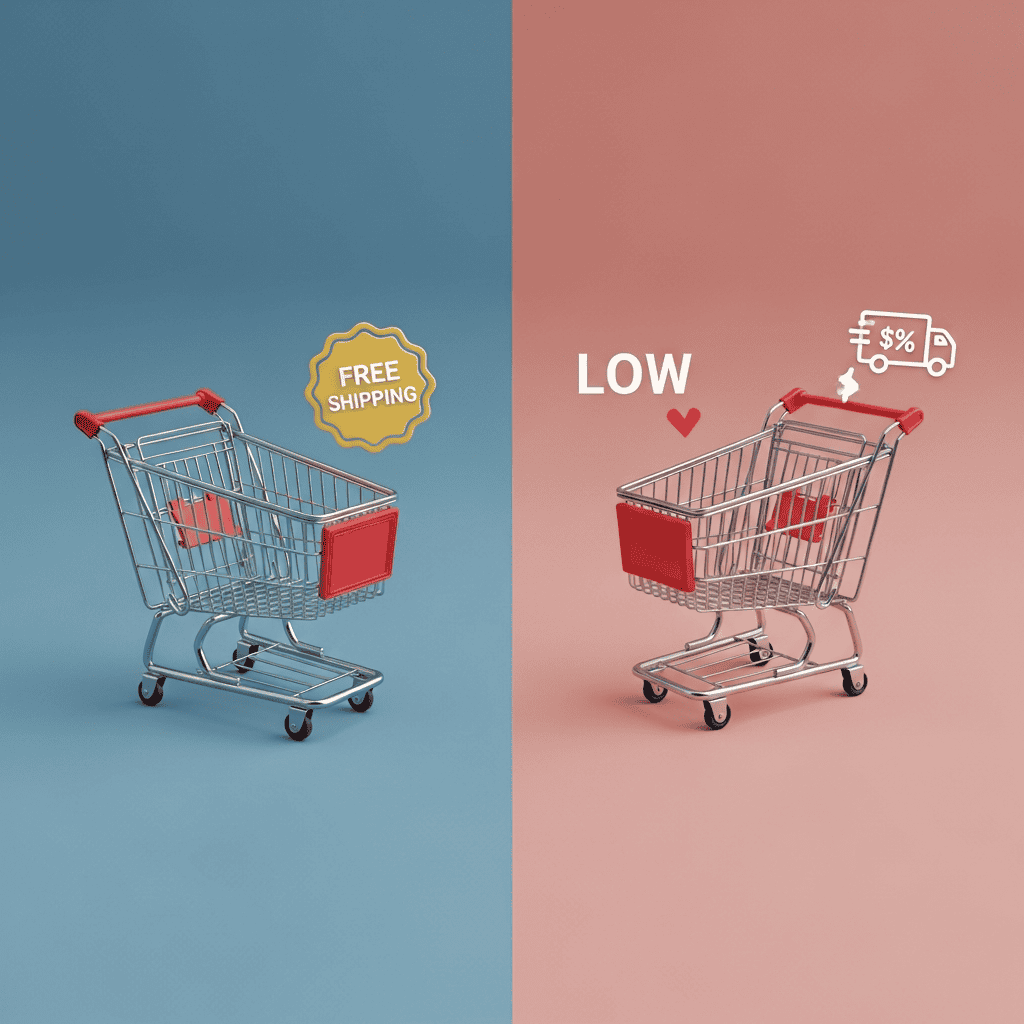
1. Baked-In Shipping (Recommended for items under $200 shipped cost) Add your average shipping cost directly to the retail price. List at $179.99 with “FREE shipping” instead of $99.99 + $80 shipping. Conversion rates are significantly higher with free shipping positioning.
2. Flat-Rate Shipping Fee Charge a visible flat rate—typically $29.99–$49.99—while absorbing the remainder. Works well for items in the $300+ retail range where customers expect some shipping cost.
3. Zone-Based Dynamic Shipping Use real-time carrier rate APIs to charge exact shipping at checkout. Most transparent, but can cause cart abandonment when customers see $150+ shipping on a $200 item.
As Wix's pricing guide explains, your total business costs must include shipping, transaction fees, and packaging before applying your markup percentage.
Learning to automate your Shopify store with tools like Dropified ensures that shipping cost data flows directly into your pricing decisions without manual recalculation on every order.
Common Mistakes That Cost Bulky-Item Sellers Thousands
Avoid these errors that consistently drain profits for dropshippers selling oversized products:
- Using actual weight instead of DIM weight — The number one margin killer. Always calculate both and use the higher figure.
- Ignoring surcharges — Base rates are marketing numbers. Real costs include residential, handling, and fuel surcharges.
- Pricing from Zone 2 rates — Your customer in Miami ordering from a California-based supplier is in Zone 8. Price accordingly.
- Not ordering a sample — Supplier-listed dimensions are frequently wrong. Order one unit, measure the actual shipping box yourself, then calculate.
- Forgetting returns — Bulky item return shipping can cost $80–$200. Build a 5–8% return allowance into your pricing.
Sellers who take time to think like a strategic dropshipper approach these calculations as a competitive advantage—not a chore.
Your Pre-Listing Shipping Cost Checklist
Before listing any bulky product, run through this checklist:
- Get exact box dimensions from your supplier (or measure a sample)
- Calculate DIM weight using (L × W × H) ÷ 139
- Compare DIM vs. actual weight — use the higher number
- Look up carrier rates for Zones 2, 5, and 8
- Add all surcharges — residential, handling, large package, fuel
- Calculate your LCPU (Landed Cost Per Unit)
- Set retail price using baked-in or flat-rate strategy at 40%+ margin minimum
- Import the product via Dropified for automated tracking and fulfillment
Accurate shipping cost calculation is the difference between a profitable bulky-item store and one that bleeds money on every sale. The dropshipping landscape continues to evolve, but this math never changes.
Ready to source and sell bulky products with confidence? Start your free Dropified trial to automate product imports, track true costs per SKU, and fulfill orders without the manual headaches that sink oversized-product sellers.
✨ Want an AI Summary of this article?






Explore Related Dropshipping Niches
- The 2026 Seasonal Dropshipping Calendar: A Month-by-Month Guide to Launching Products at Peak Demand
- Event-Driven Dropshipping: How to Source and Sell Products Around Movie Releases, Sports Seasons, and Viral Moments
- January Dropshipping Surge: How to Capture New Year's Resolution Buyers With Fitness and Self-Improvement Products
- How to Calculate True Shipping Costs for Bulky Dropshipping Products Before You List Them
- How to Find Winning Dropshipping Products in 2026: The Ultimate Niche & Product Research Guide