
- Shipping cost variance alerts notify dropshippers the moment a supplier's actual shipping charge deviates from the price baked into product margins, preventing silent profit loss on every order.
- Most margin erosion in dropshipping is invisible — suppliers adjust shipping rates without notice, and without automated alerts, sellers discover the damage only at month-end reconciliation.
- Smart dropshippers set threshold-based alerts (e.g., flag any variance above 5%) so they can reprice products, switch suppliers, or renegotiate rates before losses compound.
- Combining variance alerts with automated order fulfillment tools like Dropified turns reactive margin management into a proactive, profit-protecting system.
Why Shipping Cost Variances Silently Destroy Dropshipping Margins
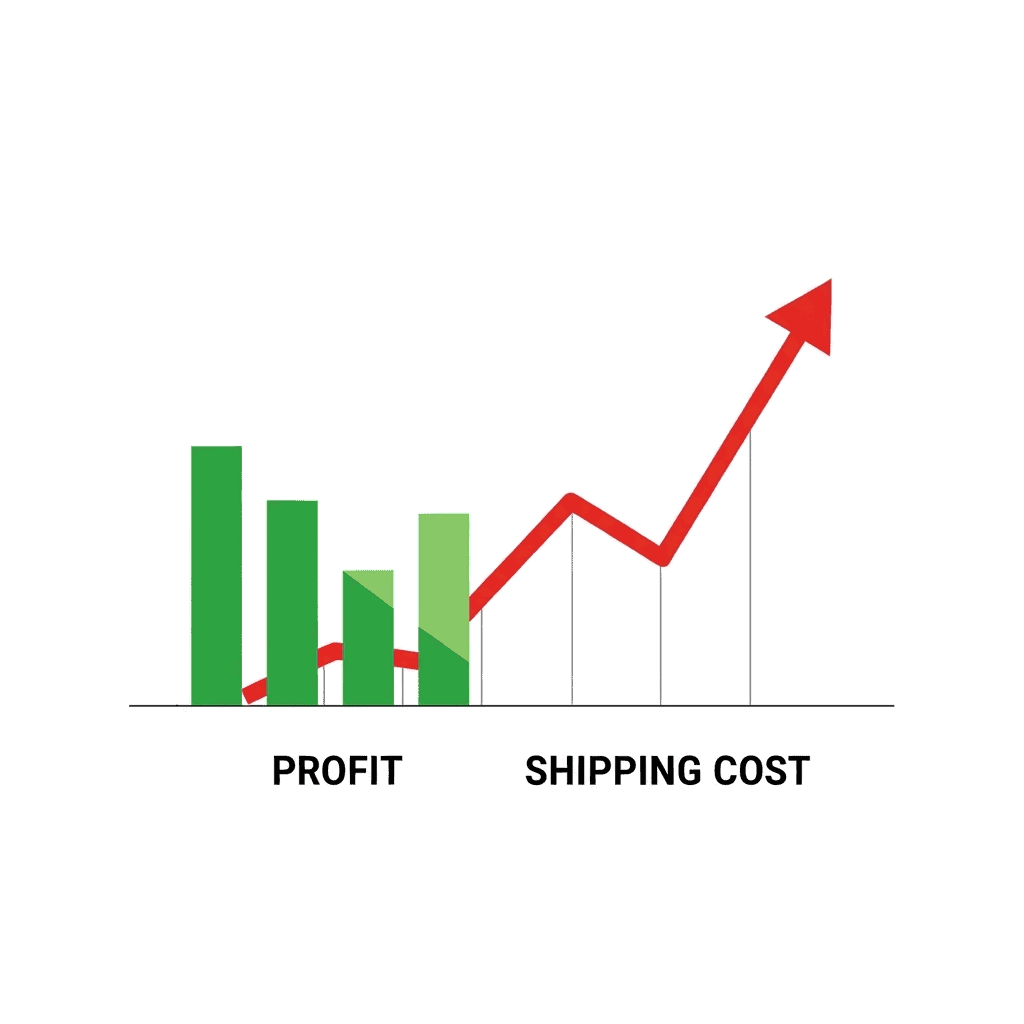
Every experienced dropshipper has felt it: revenue looks healthy, orders are flowing, yet net profit keeps shrinking. The culprit is rarely advertising costs or product pricing. It is almost always untracked shipping cost variances eating margins order by order.
Suppliers change carrier contracts, fuel surcharges shift, dimensional weight recalculations kick in, and zone-based rates fluctuate — all without a single notification to you. According to Shopify's shipping strategies guide, even a well-calculated shipping allocation of $7.11 per order can swing dramatically when supplier-side costs change mid-month.
The math is brutal. A $1.50 variance across 500 monthly orders is $750 in vanished profit. Scale to 2,000 orders and you are bleeding $3,000 per month — enough to turn a profitable store into a losing operation.
This is exactly why shipping cost variance alerts for dropshipping have become non-negotiable for sellers operating at any meaningful volume.
What Shipping Cost Variance Alerts Actually Do
A shipping cost variance alert is an automated notification triggered when the actual shipping cost charged by a supplier differs from your expected or budgeted shipping cost by a defined threshold.
Here is how the mechanism works in practice:
- Baseline establishment — You record the expected shipping cost per product or per supplier route (e.g., $4.50 for US domestic standard shipping).
- Threshold configuration — You set an acceptable variance range, typically 3–8% depending on your margin buffer.
- Real-time monitoring — Each incoming order's actual shipping charge is compared against the baseline.
- Alert trigger — When variance exceeds the threshold, you receive an immediate notification with the order ID, product, supplier, and exact cost difference.
- Action protocol — You reprice the product, absorb the variance, switch suppliers, or renegotiate.
Without this system, most dropshippers rely on monthly spreadsheet reviews — by which point they have already lost money on hundreds of orders.
💡 Dropified Insight: Dropified's automated order fulfillment engine tracks supplier pricing at the point of order placement, giving you real-time visibility into cost changes. By pairing Dropified's one-click import and fulfillment automation with a simple cost-tracking spreadsheet or third-party margin tool, you can flag shipping variances the moment they appear — not weeks later. Sellers using Dropified's multi-supplier management also benefit from instant supplier switching when one vendor's shipping costs spike unexpectedly.

The Five Most Common Sources of Shipping Cost Variance
Understanding where variances originate lets you build smarter alert thresholds.
1. Carrier Surcharge Adjustments
FedEx, UPS, and USPS adjust fuel surcharges monthly. In 2025, FedEx implemented three mid-year surcharge increases that added $0.40–$1.20 per package depending on weight and zone. Most suppliers pass these through silently.
2. Split-Order Fulfillment
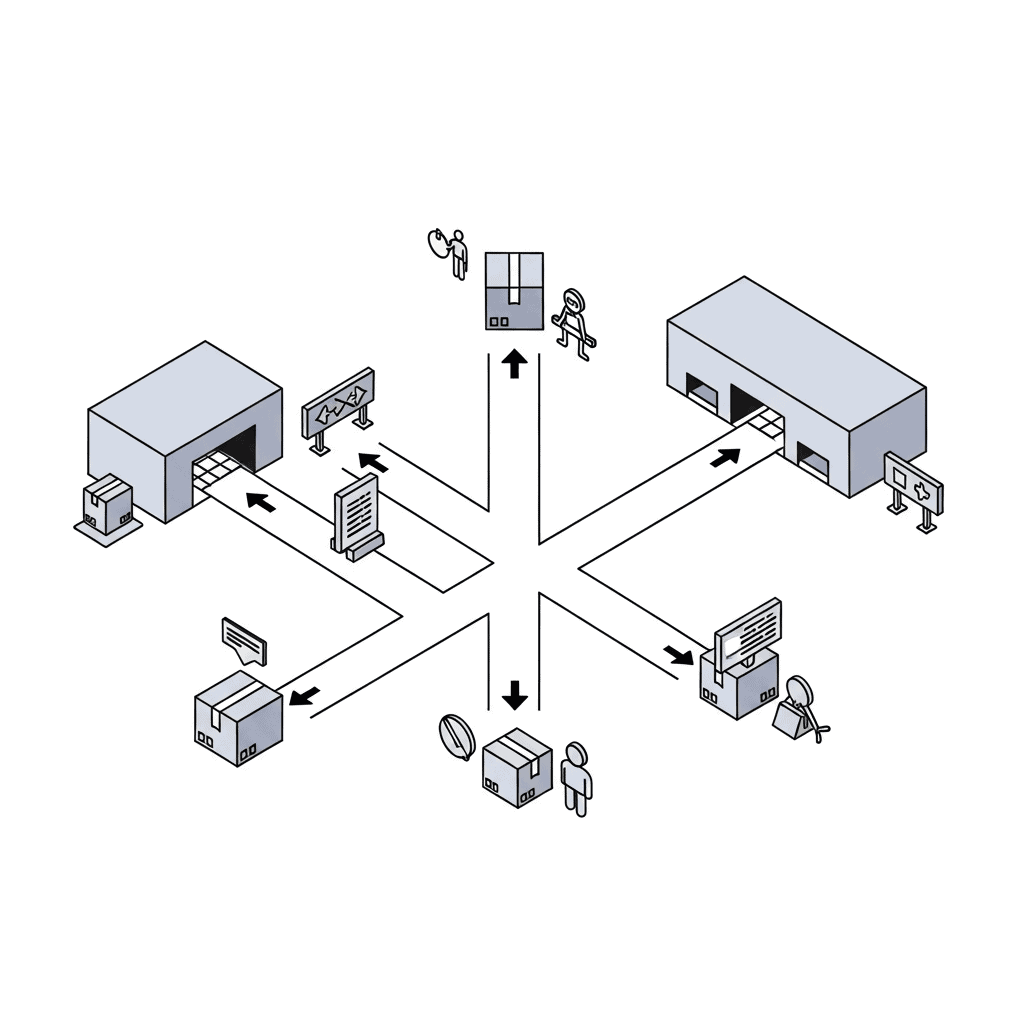
As Inventory Source explains, orders containing products from multiple warehouses trigger split shipments, dramatically inflating shipping costs. A single order expected to cost $5.50 in shipping can balloon to $11.00+ when fulfilled from two locations.
3. Dimensional Weight Recalculations
Carriers periodically update DIM weight divisors. When a supplier repackages a product or a carrier tightens its DIM formula, the same product suddenly costs more to ship — with zero change in actual weight.
4. Zone Creep From Warehouse Relocation
Suppliers occasionally shift inventory between warehouses. A product previously shipping from Zone 2 may now originate from Zone 5, adding $2–$4 per shipment.
5. Currency and Tariff Fluctuations
For international suppliers, exchange rate shifts and import duty changes create variance that compounds across high-volume SKUs. Prisync's pricing strategy research confirms that international shipping cost unpredictability remains one of the top margin risks in dropshipping.
How to Build a Shipping Cost Variance Alert System
You do not need enterprise software to start. Here is a practical framework any dropshipper can implement this week.
Step 1: Audit Your Current Shipping Cost Baselines
Pull your last 90 days of order data. For each product-supplier combination, calculate the median shipping cost (not the average — medians resist outlier distortion). This becomes your baseline.
Step 2: Set Tiered Alert Thresholds
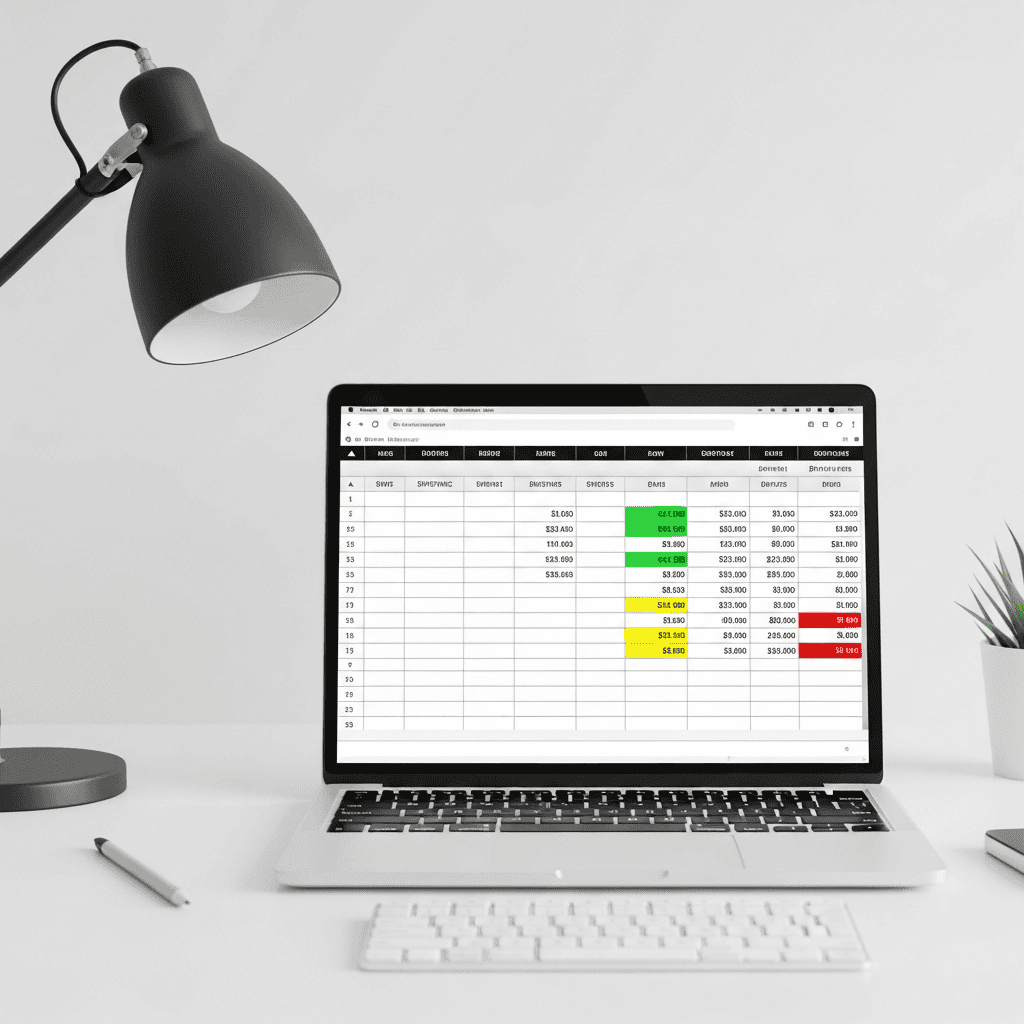
- Yellow alert (3–5% variance): Log and monitor. No immediate action needed.
- Orange alert (5–10% variance): Investigate within 24 hours. Check if the supplier changed carriers or zones.
- Red alert (10%+ variance): Immediate action required. Pause auto-fulfillment for that product and reprice or switch suppliers.
Step 3: Automate Data Capture
Use Dropified's order management system to streamline your fulfillment workflow. Every order processed through Dropified captures the supplier charge, making it straightforward to export data for variance analysis.
Step 4: Create a Weekly Variance Report
Even with real-time alerts, a weekly roll-up report reveals trends. A supplier whose shipping costs drift upward by 2% weekly may stay below your single-order alert threshold but represent a 30%+ annual cost increase.
The Profit Impact: Real Numbers From Real Stores
Most content about shipping costs stays theoretical. Here is a concrete scenario using common dropshipping metrics.
Store profile: – 1,200 orders/month – Average product cost: $18.00 – Average selling price: $39.99 – Budgeted shipping cost: $5.50/order – Target margin: 35%
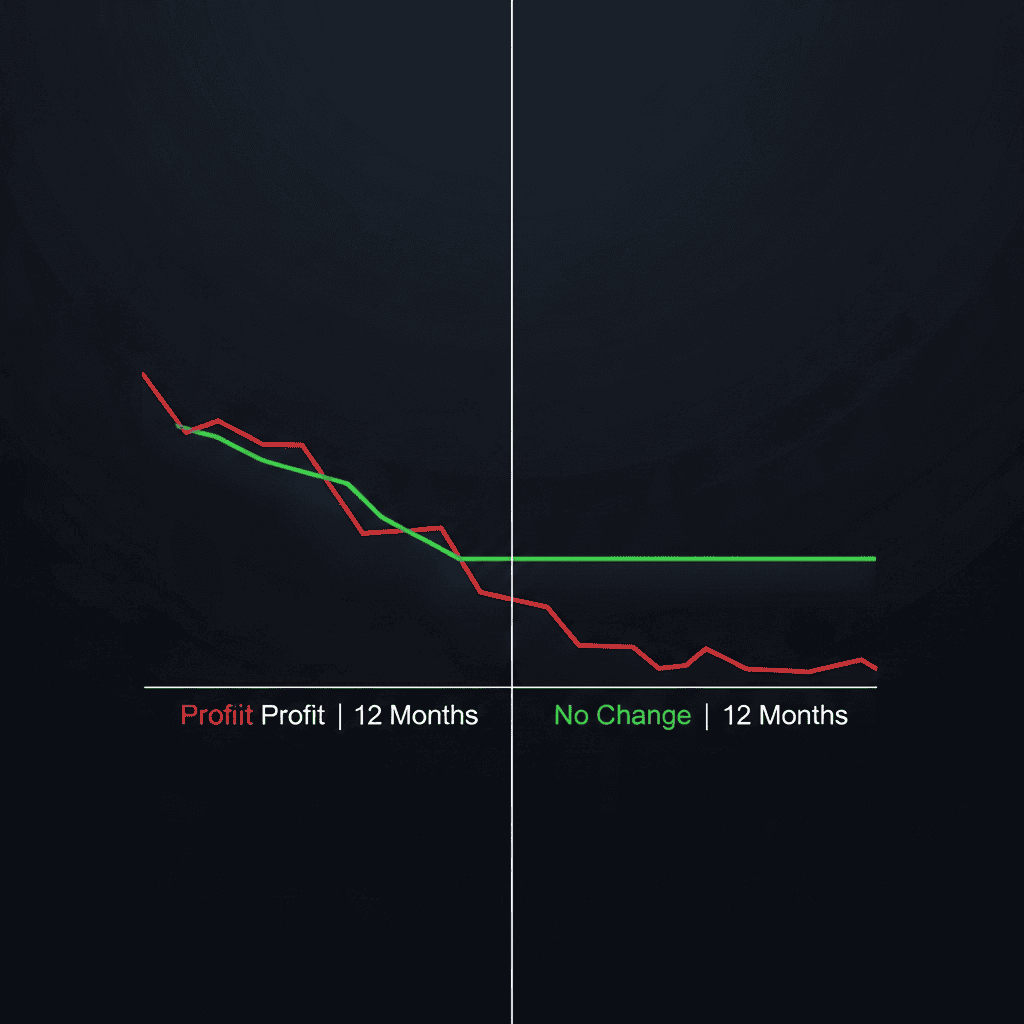
Without variance alerts: – Actual average shipping cost drifts to $7.20 (a $1.70 variance) – Monthly margin loss: $1.70 × 1,200 = $2,040 – Annual loss: $24,480
With variance alerts (5% threshold): – Variance detected at $5.78 (after just $0.28 drift) – Seller reprices within 48 hours – Monthly margin saved: approximately $1,700+
That $24,480 annual difference is often the line between a profitable dropshipping business and one that slowly bleeds out. This is not a hypothetical edge case — it is the default experience for sellers who lack visibility into shipping cost changes.
Advanced Tactics: Beyond Basic Alerts
Once your foundational alert system is running, these advanced strategies separate six-figure sellers from the rest.
Supplier Scorecarding
Track variance frequency and magnitude per supplier. A vendor triggering orange alerts three times per quarter should be replaced — even if their base pricing looks competitive. The hidden shipping volatility destroys your effective margin. Finding reliable US-based dropshipping suppliers with stable domestic shipping rates often delivers better net margins than cheaper international alternatives.
Dynamic Pricing Rules
Connect your variance alerts to your pricing engine. When a red alert fires, automatically increase the product's retail price by the variance percentage. This is margin preservation on autopilot.
SKU-Level Shipping Buffers
Instead of a flat shipping allocation, assign each SKU a unique buffer based on its historical variance pattern. High-variance products get a larger shipping cushion built into pricing. Solid pricing strategy fundamentals become even more powerful when layered with variance-aware adjustments.
Multi-Supplier Failover
Maintain backup suppliers for your top 20% revenue-generating SKUs. When a primary supplier's shipping costs spike past your red threshold, Dropified's multi-supplier architecture lets you reroute orders instantly without manual intervention.
Key Takeaways
Shipping cost variance is the single most undermonitored profit leak in dropshipping. Here is what to do right now:
- Audit your baselines using 90 days of historical order data.
- Implement tiered alerts at 3%, 5%, and 10% thresholds.
- Automate tracking through Dropified's order fulfillment system so every cost is captured at the source.
- Act on alerts immediately — repricing within 48 hours prevents compounding losses.
- Score your suppliers on shipping cost consistency, not just base price.
The difference between dropshippers who scale profitably and those who plateau is rarely about finding better products. It is about protecting the margin on every single order.
Start your free Dropified trial to automate order fulfillment, manage multiple suppliers from one dashboard, and build the operational visibility you need to catch shipping cost variances before they erode your bottom line.
✨ Want an AI Summary of this article?