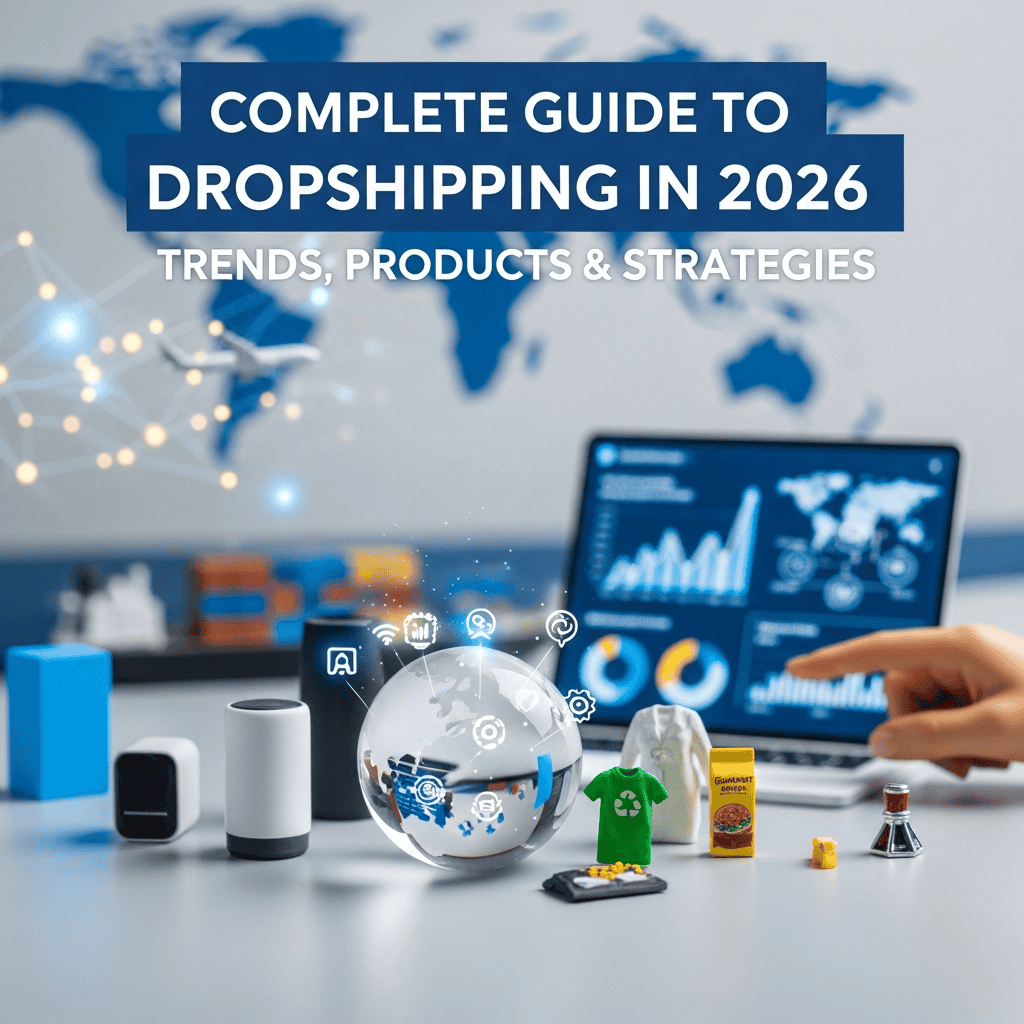
The dropshipping landscape in 2026 has evolved into a highly AI-driven, platform-diversified business model requiring strategic product selection, multi-channel selling (especially TikTok Shop), and automated fulfillment systems. Success now depends on leveraging AI tools for product research and content creation, understanding emerging consumer trends like sustainability and personalization, and choosing suppliers with 3-7 day shipping times. Starting a dropshipping business requires selecting a profitable niche, building an optimized store on Shopify or WooCommerce, integrating reliable automation software, and running targeted social media ads while maintaining 30-40% profit margins.
Dropshipping in 2026 is fundamentally different from even two years ago. The integration of artificial intelligence, the explosive growth of social commerce platforms, and shifting consumer expectations have created both new opportunities and challenges for entrepreneurs entering the dropshipping guide 2026 landscape.
If you're considering starting a dropshipping business this year, you're entering a market where automation, speed, and authenticity matter more than ever. The barrier to entry remains low, but the gap between successful and struggling stores has widened significantly.
What is Dropshipping and How Does It Work in 2026?
Dropshipping is a retail fulfillment method where you sell products without holding inventory. When a customer places an order, you purchase the item from a third-party supplier who ships it directly to the customer.
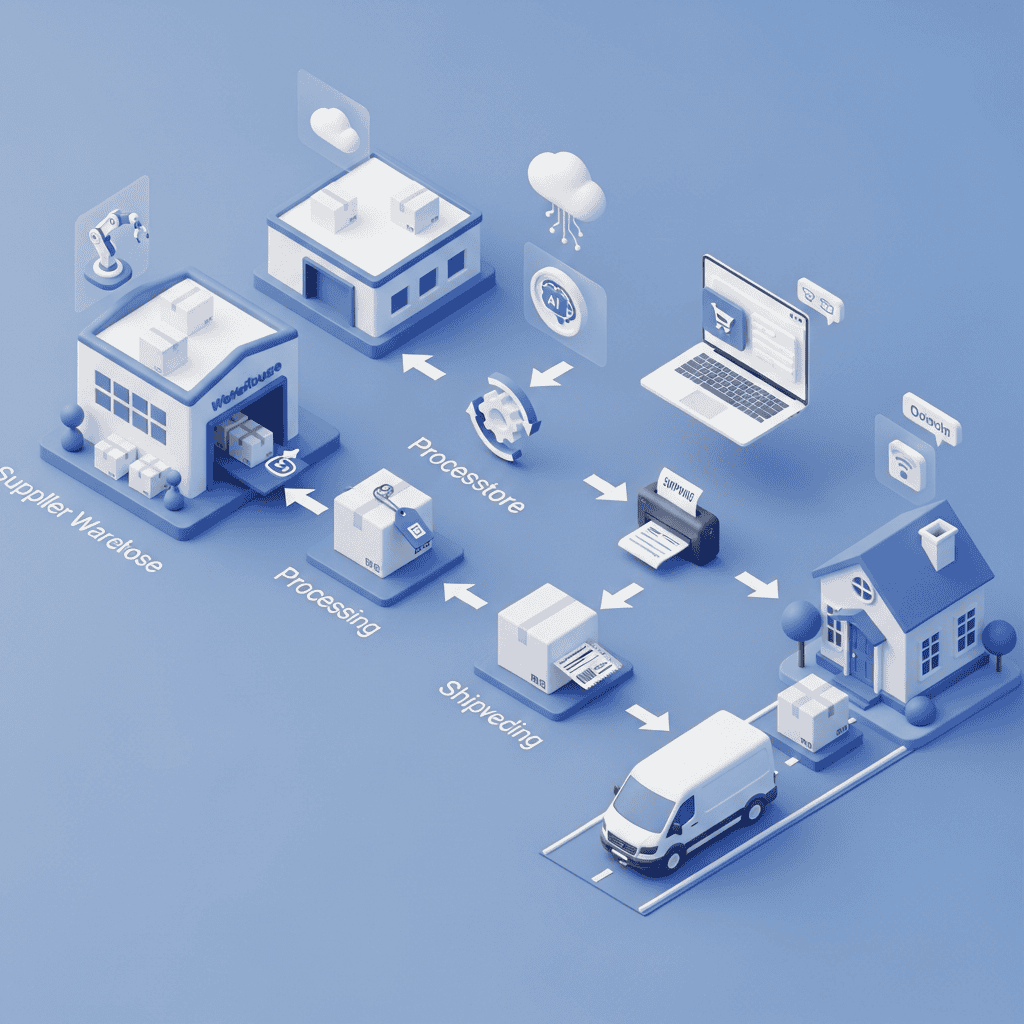
The 2026 dropshipping workflow:
- Customer orders from your online store
- Order details automatically sync to your supplier (via automation software)
- Supplier processes and ships the product directly to the customer
- You keep the profit margin between your selling price and supplier cost
The key difference in 2026 is the level of automation available. Modern dropshipping platforms integrate AI-powered product research, automatic order fulfillment, real-time inventory syncing, and even AI-generated product descriptions.
💡 Dropified Insight: Dropified's one-click import and automated order fulfillment eliminate the manual work that slows down most beginners. Instead of copying product details and manually placing orders with suppliers, Dropified syncs everything automatically—giving you more time to focus on marketing and scaling profitable products.
The Biggest Dropshipping Trends Shaping 2026
Understanding current trends isn't optional—it's essential for choosing the right products, platforms, and marketing strategies.
AI-Powered Product Research and Store Building
According to recent dropshipping courses and industry analysis, AI tools have become the standard for product validation in 2026. Entrepreneurs now use AI to analyze competitor stores, predict trending products, and generate complete store designs in minutes.
The most successful dropshippers are using AI for:
- Product validation and market analysis
- Automated competitor research
- Content generation (product descriptions, ad copy, video scripts)
- Customer service chatbots
- Predictive analytics for inventory trends
The Social Commerce Explosion
TikTok Shop has fundamentally disrupted traditional dropshipping models. Unlike the old Facebook-to-Shopify funnel, TikTok Shop allows customers to purchase without ever leaving the app—drastically reducing friction and increasing conversion rates.
Key platform shifts in 2026:
- TikTok Shop is generating higher ROI than traditional Shopify stores for certain product categories
- Instagram Shopping continues to evolve with better checkout features
- YouTube Shopping is emerging as a platform for high-ticket dropshipping
TikTok Shop Dropshipping: The Complete 2026 Guide to Building a Profitable Store has become essential reading for anyone serious about maximizing revenue this year.
Faster Shipping Expectations
The Amazon Prime effect continues to intensify. In 2026, customers expect 3-7 day delivery even from dropshipping stores. Suppliers with 30+ day shipping times (common with AliExpress) now face significantly higher refund rates and negative reviews.
Winning suppliers in 2026 offer:
- US or EU-based warehousing
- 3-7 day shipping windows
- Real-time tracking integration
- Branded packaging options
Sustainability and Ethical Sourcing
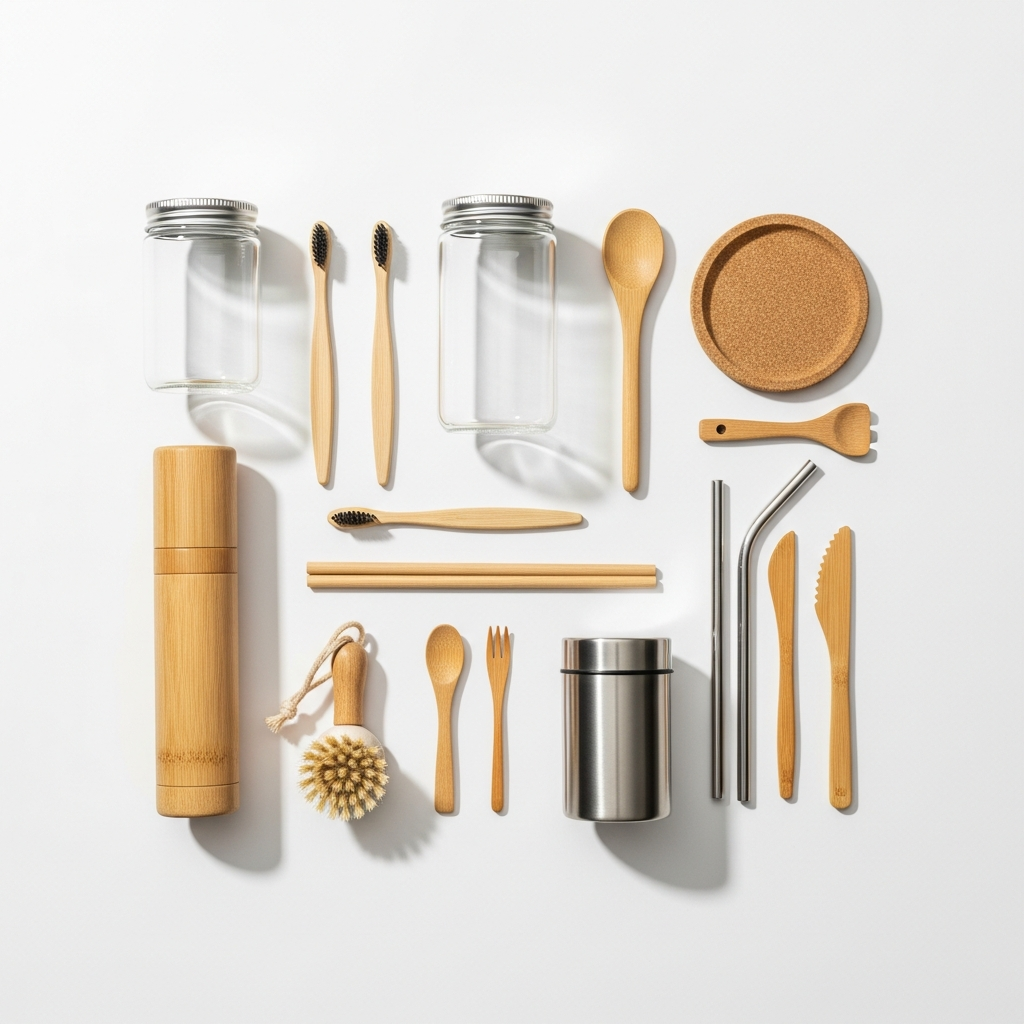
A growing segment of consumers actively seeks eco-friendly and ethically produced products. Dropshippers who can verify sustainable practices and transparent sourcing are capturing premium market segments with higher profit margins.
How to Start Dropshipping in 2026: Step-by-Step
Step 1: Choose Your Niche and Validate Product Demand
Generic “general stores” rarely succeed in 2026's competitive landscape. Niche specificity builds brand authority and makes marketing more cost-effective.
Profitable niche characteristics:
- Solves a specific problem for a defined audience
- Products priced between $20-$80 (optimal margin range)
- Not available in every local retail store
- Visual appeal for social media marketing
- Passionate community (hobbyists, enthusiasts, identity-based groups)
Use Google Trends, TikTok search volume, and competitor analysis tools to validate demand before committing to a niche. According to Shopify's 2026 dropshipping guide, the most successful stores focus on micro-niches rather than broad categories.
Step 2: Select Reliable Suppliers
Your supplier determines your customer experience. Research thoroughly before partnering.
Evaluation criteria:
- Average shipping time to your target market
- Product quality (order samples first)
- Communication responsiveness
- Return and refund policies
- Integration with your ecommerce platform
Popular supplier platforms in 2026 include AutoDS, Zendrop, Spocket, and CJ Dropshipping—all offering faster shipping than traditional AliExpress suppliers.
Step 3: Build Your Online Store
You have two primary platform options in 2026:
Shopify remains the dominant choice for dropshipping. It offers:
- Extensive dropshipping app integrations
- Professional themes optimized for conversion
- Reliable hosting and security
- Built-in payment processing
WooCommerce provides more customization for WordPress users. As Hostinger's dropshipping tutorial explains, WooCommerce hosting plans now include pre-installed WordPress and WooCommerce, making setup faster than ever.
Essential store pages:
- Home (clear value proposition, featured products)
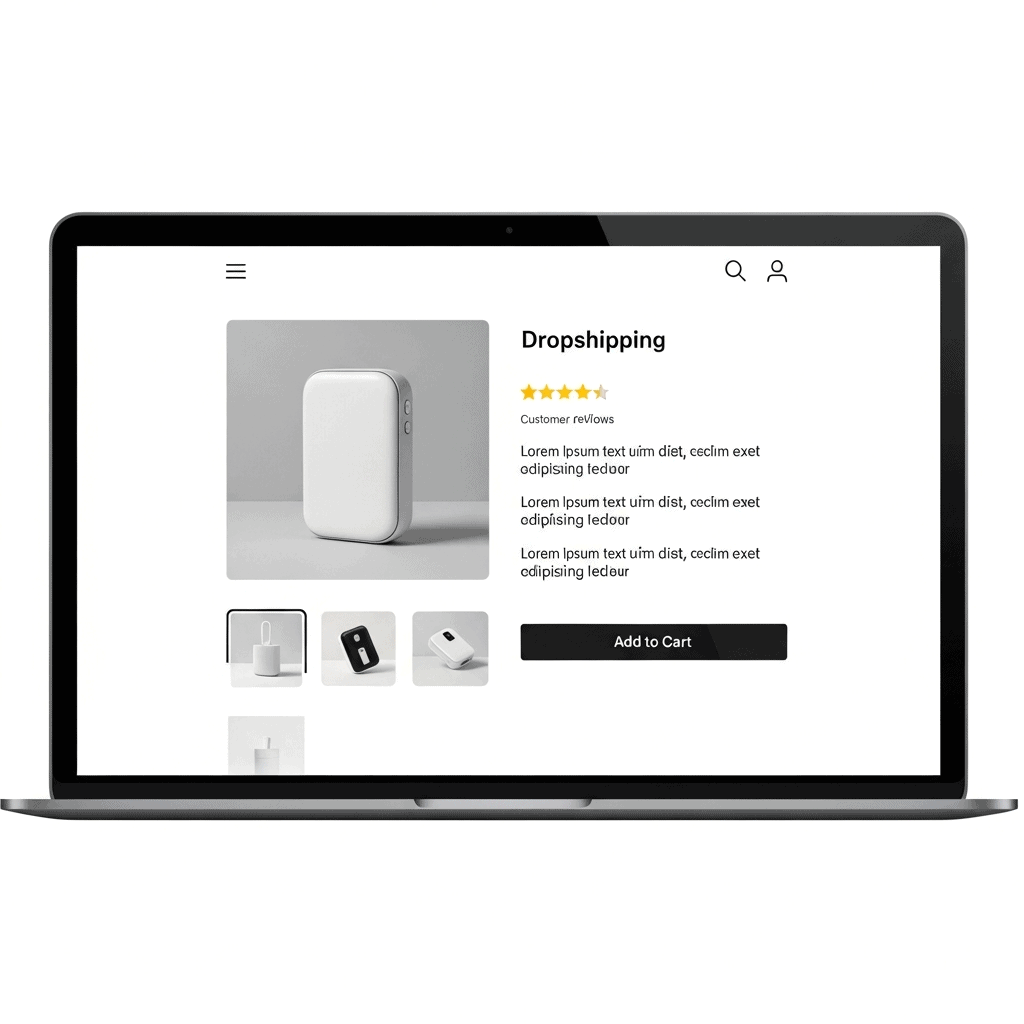
- Product pages (high-quality images, detailed descriptions, customer reviews)
- About Us (builds trust and brand story)
- Contact/FAQ (reduces support tickets)
- Shipping and Returns policy (sets clear expectations)
💡 Dropified Insight: Dropified integrates seamlessly with Shopify to import products from multiple suppliers with a single click. You can customize product titles, descriptions, and images before publishing—then set up automated pricing rules to maintain your profit margins across your entire catalog without manual updates.
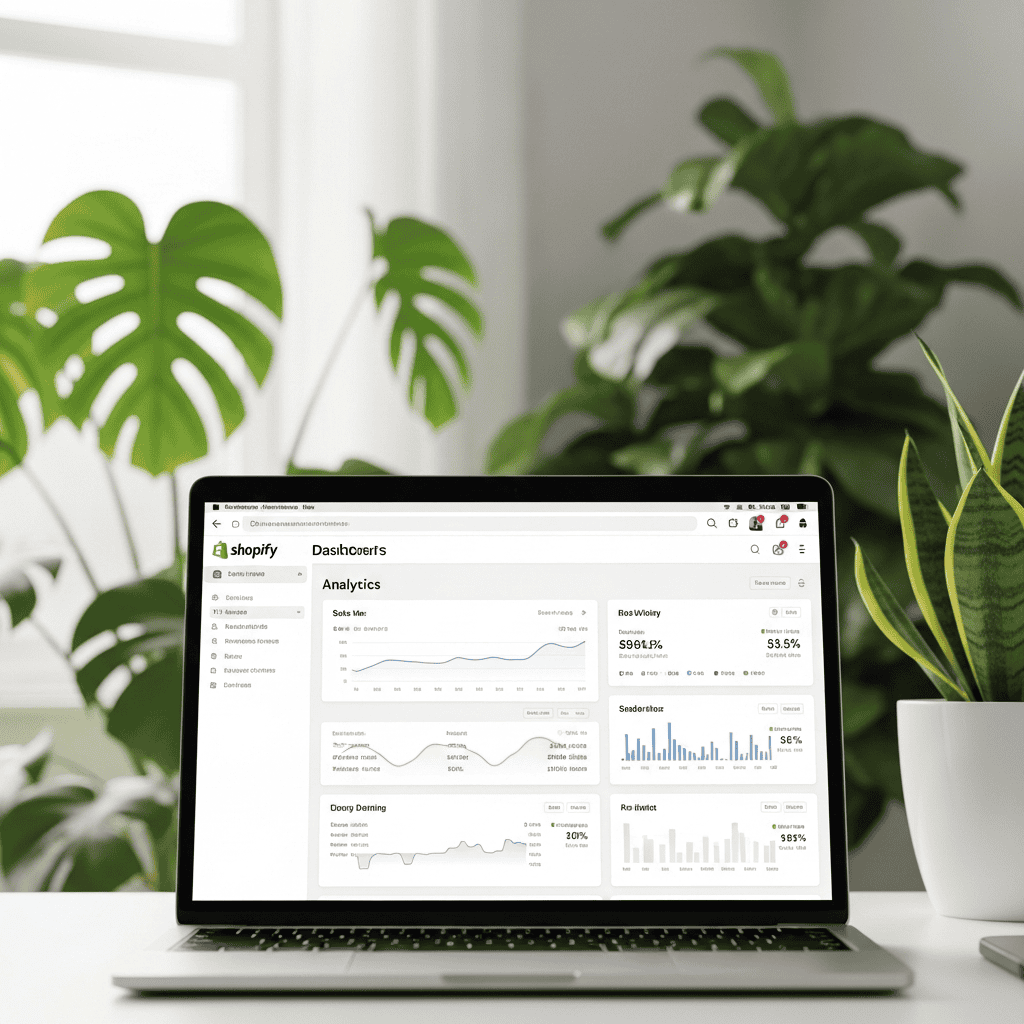
Step 4: Integrate Automation Software
Manual order fulfillment doesn't scale. Automation software is non-negotiable in 2026.
What automation handles:
- Product imports from suppliers to your store
- Automatic order fulfillment when customers purchase
- Inventory synchronization (prevents selling out-of-stock items)
- Price and stock monitoring
- Tracking number updates
This eliminates the time-consuming process of manually copying product information and placing individual orders with suppliers.
Step 5: Set Strategic Pricing
Your pricing must cover all costs while remaining competitive.
Cost breakdown to consider:
- Product cost from supplier
- Shipping fees
- Payment processing fees (typically 2.9% + $0.30 per transaction)
- Platform subscription (Shopify, automation software)
- Marketing and advertising costs
- Refunds and chargebacks (budget 5-10%)
Target profit margin: 30-40% after all expenses. For a $30 product from your supplier with $5 shipping, you might price it at $49.99-$59.99 to achieve this margin.
Step 6: Create High-Converting Product Pages
Your product page is your salesperson. It must overcome objections and build desire.
Elements of high-converting pages:
- Multiple high-quality images (6-8 minimum)
- Short, benefit-focused product descriptions
- Clear call-to-action buttons
- Trust signals (money-back guarantee, secure checkout badges)
- Customer reviews and ratings
- Scarcity or urgency elements (limited stock, sale countdown)
Use AI tools to generate initial product descriptions, then edit for your brand voice and authenticity.
Best Products to Dropship in 2026
Product selection makes or breaks your dropshipping business. The Top 100+ Best TikTok Shop Dropshipping Products to Sell in 2026 reveals categories performing exceptionally well this year.
Winning product categories:
Health and Wellness – Fitness accessories, posture correctors, massage tools, and sleep optimization products continue strong demand.
Smart Home Gadgets – LED lighting systems, organization tools, and innovative kitchen gadgets that solve specific problems.
Pet Products – The pet industry remains recession-resistant. Unique toys, grooming tools, and pet accessories perform consistently well.
Beauty and Personal Care – TikTok Shop Beauty Dropshipping: How to Sell Skincare and K-Beauty Products has become a dominant category, especially for Korean beauty products and skincare tools.
Seasonal Products – Strategic seasonal selling maximizes revenue throughout the year. Seasonal Dropshipping Strategy: What Products to Sell on TikTok Shop Each Quarter provides a quarterly roadmap for product rotation.
Product validation checklist:
- Solves a genuine problem or satisfies a strong desire
- Visually appealing for social media content
- Difficult to find in local stores
- Profit margin of at least $15-20 per unit
- Lightweight and unbreakable (reduces shipping costs and damage)
- Not seasonally limited (unless part of a seasonal strategy)
Marketing Your Dropshipping Store in 2026
Having great products means nothing without traffic. Here's how successful dropshippers drive sales in 2026.
TikTok Marketing Dominates
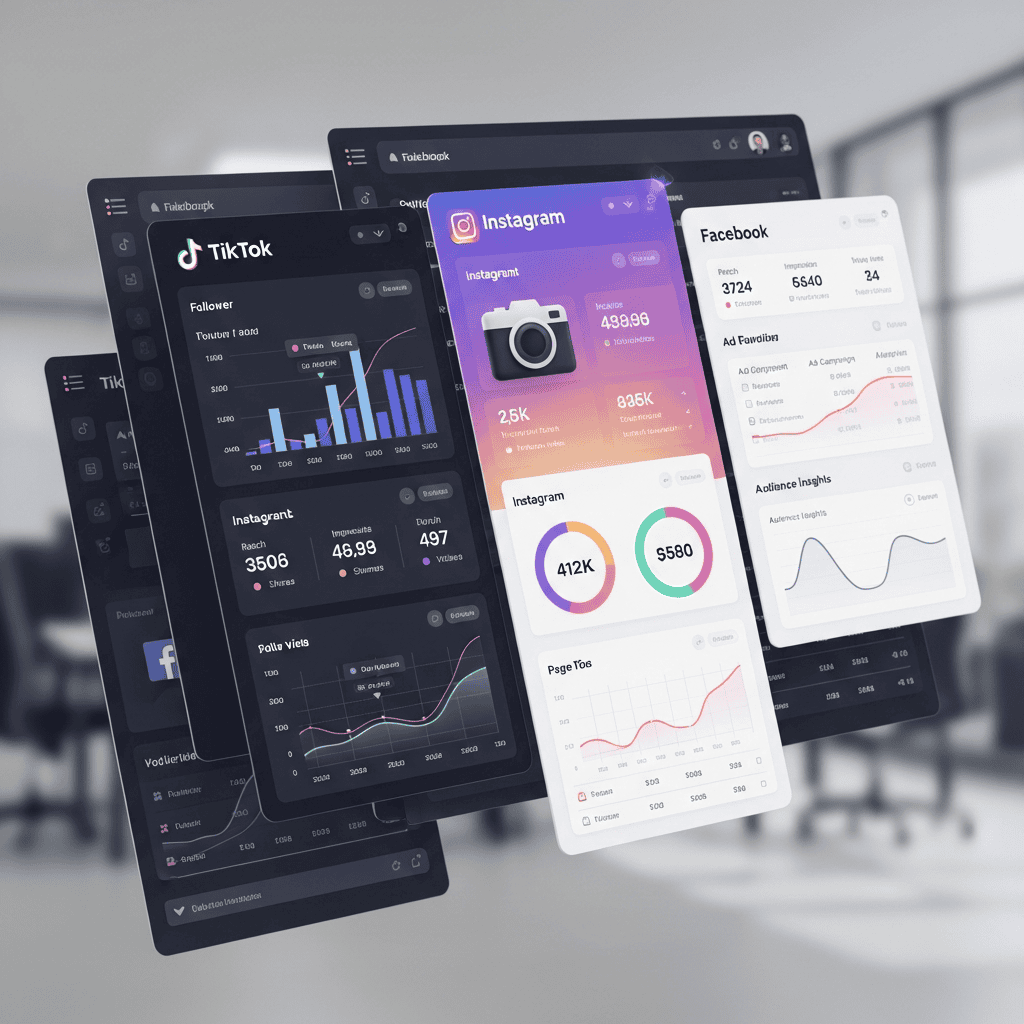
TikTok has surpassed Facebook as the primary customer acquisition channel for many dropshippers. The platform's algorithm favors product discovery, and its integrated shopping features reduce purchase friction.
TikTok marketing strategies:
- Organic content showing product benefits and demonstrations
- User-generated content (UGC) style ads that don't feel like ads
- Influencer partnerships in your niche
- TikTok Shop product listings for in-app purchases
How to Create Viral TikTok Product Demos That Convert (2026 Strategy) breaks down the exact formula for creating content that drives sales.
Facebook and Instagram Ads Still Work
While TikTok is rising, Facebook and Instagram remain viable—especially for audiences over 35 and certain product categories.
Keys to profitable paid ads:
- Start with small budgets ($5-10/day) for testing
- Create 3-5 ad variations to test different angles
- Target specific interests, not broad demographics
- Use video content (static images underperform significantly)
- Retarget website visitors who didn't purchase
Google Shopping and SEO
For less impulsive product categories, Google Shopping ads capture high-intent buyers actively searching for solutions.
What this means for you: Customers searching “best posture corrector” on Google are further along the buying journey than someone scrolling TikTok. Conversion rates are often higher, but traffic volume is lower.
TikTok Shop vs Traditional Dropshipping: Which Path to Choose?
One of the biggest decisions facing new dropshippers in 2026 is whether to build a traditional Shopify store or focus on TikTok Shop.
TikTok Shop advantages:
- Lower customer acquisition costs
- Built-in audience discovery
- Faster path to first sales
- In-app checkout increases conversion rates
Traditional Shopify store advantages:
- Full brand control and customization
- Customer email lists (you own the relationship)
- Multi-channel expansion options
- Higher perceived brand legitimacy
The comprehensive comparison in TikTok Shop vs Traditional Dropshipping: Which Platform is More Profitable in 2026? helps you determine the best path based on your products, budget, and goals.
Many successful dropshippers use a hybrid approach: launching products on TikTok Shop for fast validation and sales, then building a branded Shopify store for long-term customer retention.
Common Dropshipping Mistakes to Avoid
Learning from others' failures accelerates your success.
Mistake #1: Choosing products based on personal preference – Sell what the market wants, not what you like.
Mistake #2: Ignoring shipping times – Slow shipping kills customer satisfaction and generates refunds.
Mistake #3: No product research – Launching products without validating demand wastes advertising budget.
Mistake #4: Generic product descriptions – Copying supplier descriptions makes your store forgettable and hurts SEO.
Mistake #5: Inadequate customer service – Unanswered emails and unresolved issues lead to chargebacks and negative reviews.
Mistake #6: Giving up too quickly – Most successful dropshippers tested 10-20 products before finding their winner.
Financial Requirements and Profit Expectations
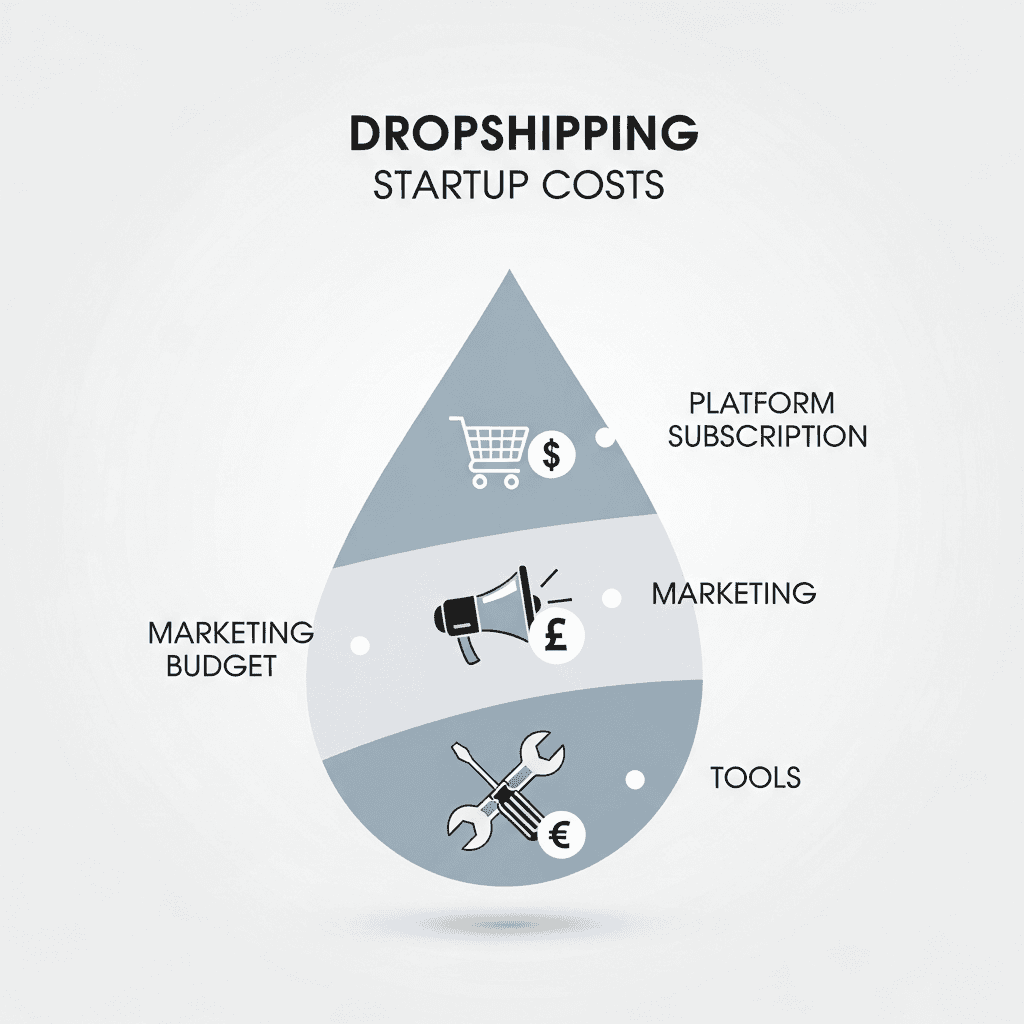
Startup costs in 2026:
- Shopify subscription: $39/month (Basic plan)
- Domain name: $10-15/year
- Automation software (Dropified): $39-99/month depending on plan
- Product samples for testing: $50-100
- Initial advertising budget: $300-500
- Business formation and legal: $100-300
Total initial investment: $500-1,200
Realistic profit timeline:
- Month 1-2: Testing products, expect to break even or small losses
- Month 3-4: First profitable products identified, $500-2,000 profit
- Month 5-6: Scaling winners, $2,000-5,000+ profit potential
These numbers assume consistent effort, testing multiple products, and learning from data. Some entrepreneurs achieve profitability faster; others take longer.
💡 Dropified Insight: Dropified's product research tools help you identify winning products faster by analyzing competitor stores and trending items across multiple platforms. This shortens the testing phase and gets you to profitability quicker by reducing wasted ad spend on products unlikely to convert.
Legal and Business Setup Considerations
Operating legally protects you from liability and builds customer trust.
Essential business steps:
Register your business – Form an LLC or sole proprietorship depending on your location and risk tolerance.
Obtain necessary licenses – Research local business license requirements. Most dropshippers need a general business license and sales tax permit.
Open a business bank account – Separate business and personal finances for clean accounting and tax preparation, as recommended by Shopify's business setup guide.
Get business insurance – Consider general liability insurance to protect against product liability claims.
Understand tax obligations – You're responsible for collecting and remitting sales tax in applicable jurisdictions. Consult a tax professional familiar with ecommerce.
Create clear policies – Draft terms of service, privacy policy, refund policy, and shipping policy. Many Shopify themes include templates.
Scaling Your Dropshipping Business
Once you've identified winning products, scaling multiplies your profits.
Scaling strategies:
Increase ad budgets on profitable campaigns – If a campaign generates 3x return on ad spend (ROAS), gradually increase daily budget by 20-30% every few days.
Expand to additional traffic sources – Don't rely on one platform. Test Google, Pinterest, Snapchat, or YouTube ads.
Build an email list – Capture emails through pop-ups and abandoned cart sequences. Email marketing often delivers 30-40x ROI.
Launch complementary products – Once customers trust your brand, introduce related products they're likely to purchase.
Create a brand identity – Transition from generic dropshipping to branded packaging, custom logos, and unique brand story.
Hire virtual assistants – Delegate customer service, order fulfillment monitoring, and content creation as revenue grows.
The Future of Dropshipping Beyond 2026
The dropshipping model continues evolving. Staying ahead requires awareness of emerging trends.
What's coming:
- AI-generated video ads will become standard, reducing creative production costs
- Voice commerce (Alexa, Google Home) will open new sales channels
- Blockchain and NFTs may create unique digital-physical product combinations
- Augmented reality (AR) try-before-you-buy features will increase conversion rates
- Sustainability verification will become a competitive differentiator
The entrepreneurs who embrace new technologies and platforms early gain significant advantages.
Your Next Steps to Start Dropshipping in 2026
You now understand the complete dropshipping landscape for 2026—from product selection and supplier vetting to marketing strategies and platform choices. The difference between those who succeed and those who quit lies in implementation.
Your action plan:
- Choose your niche based on market demand, not personal preference
- Research and validate 5-10 potential products using AI tools
- Set up your Shopify or WooCommerce store
- Integrate automation software to handle fulfillment
- Order product samples to verify quality
- Create your first product listings with optimized descriptions
- Launch with a small advertising budget to test products
- Analyze data and double down on winners
Dropshipping in 2026 rewards those who move quickly, test systematically, and learn continuously. The tools have never been more powerful, the automation has never been more sophisticated, and the opportunities have never been more diverse.
Ready to start your dropshipping journey? Start your free Dropified trial and access the automation tools that eliminate manual order fulfillment, giving you more time to find winning products and scale profitably. The only question is whether you'll take action today or watch others build successful stores while you wait.
✨ Want an AI Summary of this article?






Explore Related Dropshipping Niches
- The 2026 Seasonal Dropshipping Calendar: A Month-by-Month Guide to Launching Products at Peak Demand
- Event-Driven Dropshipping: How to Source and Sell Products Around Movie Releases, Sports Seasons, and Viral Moments
- January Dropshipping Surge: How to Capture New Year's Resolution Buyers With Fitness and Self-Improvement Products
- How to Calculate True Shipping Costs for Bulky Dropshipping Products Before You List Them
- How to Find Winning Dropshipping Products in 2026: The Ultimate Niche & Product Research Guide