Does Dropshipping Still Work? (2026 Overview)
Does dropshipping still work in 2026? Yes, but success requires strategic adaptation: – The dropshipping market is valued at $365.7B in 2024, projected to reach $1,253B by 2030 with 22% annual growth – Traditional “set and forget” methods no longer work due to market saturation and rising customer expectations – Profitability depends on reliable suppliers, strong branding, automation tools, and exceptional customer service – Successful dropshippers focus on differentiation through niche selection, faster shipping, and building genuine brand loyalty – The model remains viable for those willing to invest in proper tools, quality suppliers, and data-driven marketing strategies
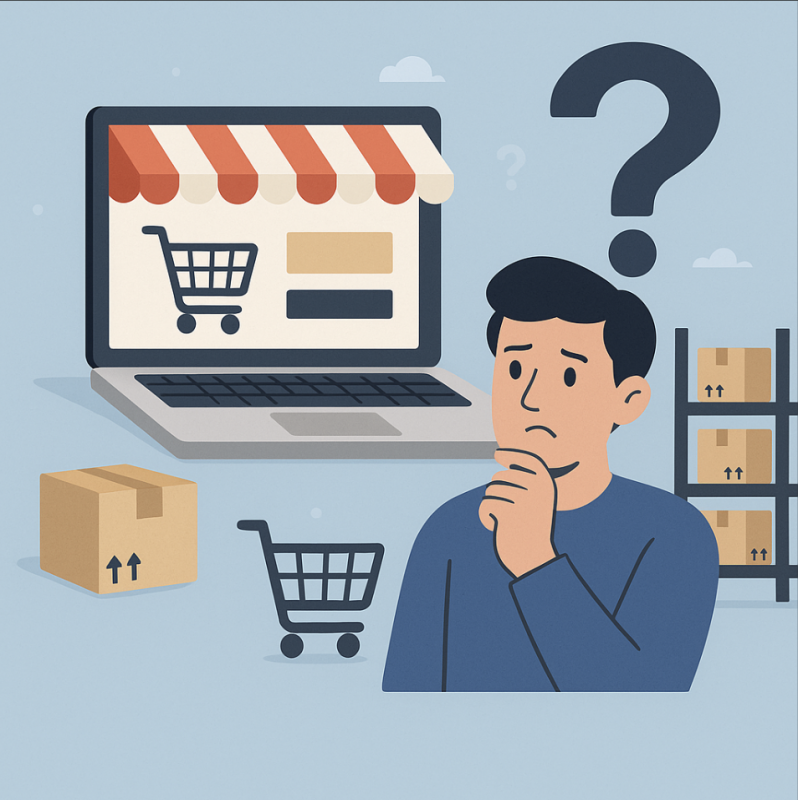
The question of “does dropshipping still work in 2026” is on the minds of many entering the online world or those wanting to change their current business model. Gone are the days when setting up a store and running simple ads were enough to see high profits.
Today, dropshipping comes with multiple challenges, some of them being saturated markets, customer dissatisfaction due to unreliable dropshipping suppliers and long shipping times, and rising competition making it harder to stand out.
Yet, dropshipping isn't dead—it's just different. To succeed, you must rethink the dropshipping model, address its flaws, and find new ways to stand out. Some of the “quick” fixes include focusing on order fulfillment and inventory management to ensure your business remains efficient and competitive.
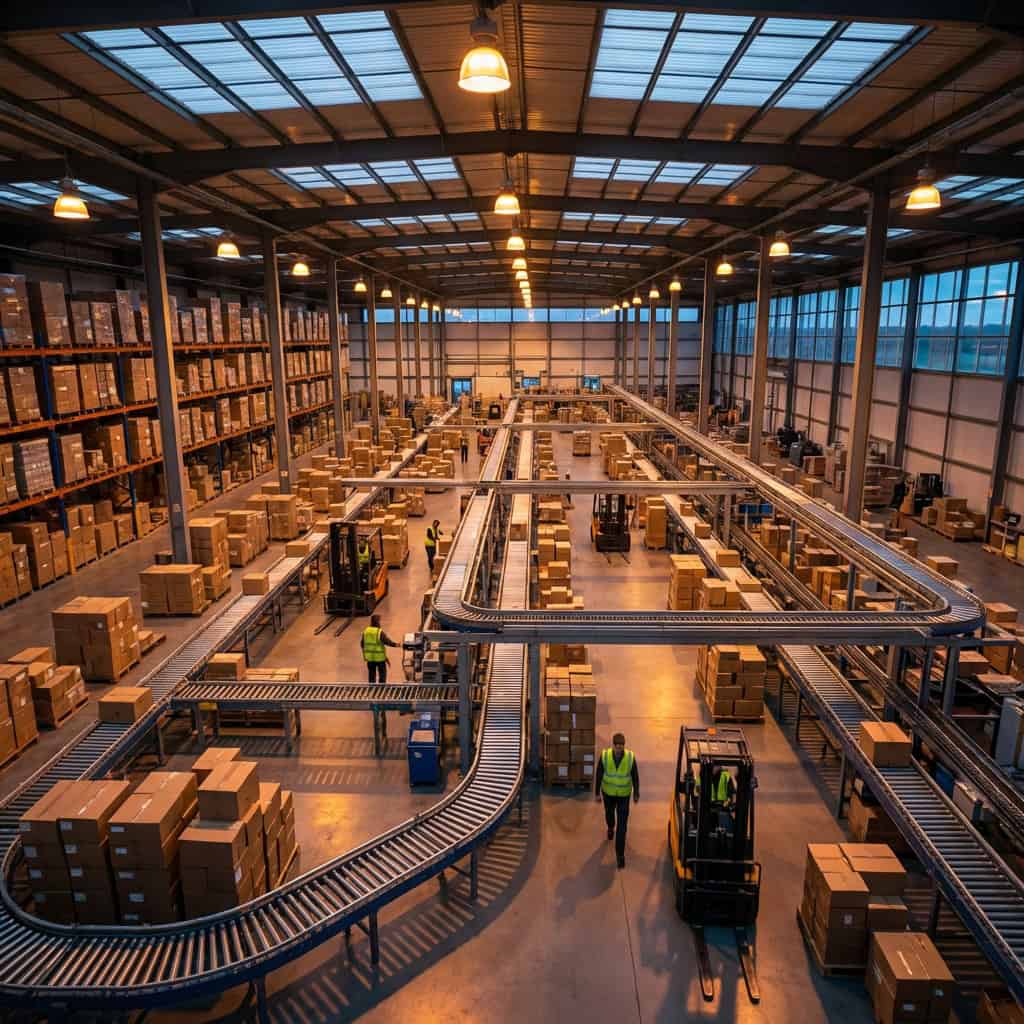
💡 Dropified Insight: While many dropshippers struggle with manual order processing and supplier communication, Dropified automates these bottlenecks. Our platform integrates directly with reliable suppliers, streamlines order fulfillment, and reduces processing time by up to 80%—giving you the operational edge needed to compete in 2026's saturated market.
In this article, I will cover why the old dropshipping strategies are failing in 2026, proven methods to differentiate your business and thrive, and alternative approaches to keep dropshipping viable.
Let's first define what dropshipping is and then explore the reality of dropshipping in 2026.
What is Dropshipping?
Dropshipping is a retail fulfillment method where the store doesn't keep the products it sells in stock. Instead, when a store sells a product, it purchases the item from a third party, typically a wholesaler or manufacturer, and has it shipped directly to the customer.
This model has several key characteristics:
No inventory holding: Retailers don't need to invest in or manage stock. This minimizes upfront costs and risks associated with unsold inventory.
Outsourced fulfillment: The responsibility of shipping the products lies with the supplier, not the retailer, which simplifies operations but can introduce challenges related to shipping times and product quality.
Low Entry Barriers: Because of the minimal startup costs, dropshipping is an attractive option for new entrepreneurs. However, it also means high competition as many new entrants flock to the market.
In essence, dropshipping allows anyone to start an online store with relatively low investment, but success depends heavily on selecting the right suppliers, products, and market strategies.

As the dropshipping landscape evolves and advances, it's become clear that the simplicity of the model is both its strength and its potential weakness. It requires many more strategic adjustments to stay competitive.
The Current Reality of Dropshipping in 2026
To understand where dropshipping stands today, it's crucial to examine whether this model can still deliver the success it once promised or if it's time to rethink its role in the e-commerce world.
Is Dropshipping Dead?
The question of whether dropshipping is dead has been circulating for years, and in 2026, it's more relevant than ever. The data tells a different story than the skeptics claim.
According to recent industry research, the total dropshipping market size is valued at $365.7B in 2024 and projects approximately 22% growth annually through 2030. The global dropshipping market is expected to surpass $1,253 billion by 2030.
While the business model itself isn't outdated, the landscape has shifted dramatically. The ease with which anyone could once start a dropshipping business has led to an oversaturated market, making it increasingly difficult to succeed without a solid strategy.
The days of simply setting up a store, running a few ads, and watching the profits roll in are over. Today's dropshipping environment is more competitive and challenging, requiring a deeper understanding of market dynamics, customer expectations, and efficient operations.
Identifying the right dropshipping business names that resonate with your target audience is more critical than ever. A well-chosen name can significantly impact your branding and visibility, making your store more memorable despite tough competition.

Challenges of 2026
Dropshipping in 2026 presents several significant challenges that can no longer be ignored. First and foremost is the issue of competition. The low barrier to entry has flooded the market with countless dropshipping stores, many of which sell identical or similar products.
This saturation makes it tough for any store to stand out, driving down profit margins and making it harder to attract and retain customers.
Another major challenge is customer dissatisfaction. Long shipping times, especially from overseas suppliers, continue to plague dropshipping businesses. Partnering with a reliable supplier who offers faster shipping options can mitigate this issue and improve your overall customer satisfaction.
Today, people expect quick and reliable shipping and waiting weeks for a product just doesn't cut it. Moreover, quality control remains a constant issue, with many customers receiving products that do not meet their expectations.
These negative experiences contribute to the growing distrust of dropshipping stores and make it even more challenging to build a loyal customer base.
Finally, the increasing costs of digital advertising are squeezing profit margins further. As more businesses compete for the same online ad space, the cost of acquiring customers has skyrocketed. Dropshippers who rely heavily on paid ads are finding it increasingly difficult to maintain profitability.
Lessons From the Past
The evolution of dropshipping over the years offers important lessons for those looking to enter or stay in the market. In its early days, dropshipping was seen as a quick and easy way to start an online business with minimal investment.
However, many early adopters failed to recognize that dropshipping is not a passive income strategy. In fact, it requires just as much effort, if not more, than traditional retail models.
One of the most critical lessons is the importance of brand building. Early dropshippers often neglected this aspect, focusing solely on quick sales.
As a result, many businesses collapsed under the weight of their own short-term thinking. In contrast, those who took the time to build a strong brand, cultivate a loyal customer base, and deliver consistent value have managed to thrive, even as the market has become more competitive.

Another lesson is the need for adaptability. The dropshipping landscape has changed significantly, and those who failed to adapt have been left behind.
The most successful dropshippers are those who continuously evolve their strategies, whether it's by diversifying their product offerings to meet different market needs, improving customer service and ensuring reliable order fulfillment, or exploring new marketing channels and finding better dropshipping suppliers.
What It Takes to Stand Out in 2026
In 2026, standing out as a dropshipping business requires more than just a clever product choice or a well-designed website. The market has matured, and so have customer expectations.
According to Shopify's 2026 analysis, entrepreneurs can still build successful dropshipping businesses by focusing on streamlined logistics, automation, and platforms that adapt to global market shifts.
To succeed, dropshippers must go beyond the basics and address the most common pitfalls that have caused many businesses to fail. The key strategies to differentiate your business include building a brand, leveraging the latest dropshipping tools, and focusing on exceptional customer experience.
Avoiding the Common Pitfalls
Many dropshipping businesses stumble over the same obstacles, leading to high failure rates. One of the most common obstacles is relying too heavily on paid advertising without a sustainable long-term strategy.
While ads can drive traffic, they are also costly and can quickly eat into profit margins, especially in a saturated market. Diversifying your marketing approach through dropshipping SEO, content marketing, and organic social media is essential for long-term sustainability.
Another common mistake is neglecting the importance of product quality and supplier reliability. The reality is that poor-quality products, delayed shipments, and inadequate customer support can quickly damage the reputation of your business and lead to a loss of trust.
Vetting USA dropshipping suppliers who offer faster shipping and better quality control is crucial for maintaining customer satisfaction in 2026.
To avoid these pitfalls, dropshippers need to invest in proper automation and monitoring systems. Manual order processing creates bottlenecks that slow down your business and increase error rates.

Building a Strong Foundation
Success in dropshipping starts with a strong foundation built on three pillars: reliable suppliers, quality products, and efficient systems.
Supplier Selection: Your suppliers are the backbone of your business. In 2026, partnering with suppliers who offer reasonable shipping times (ideally under 2 weeks) and consistent quality is non-negotiable. Consider working with multiple suppliers to diversify your risk and ensure product availability.
Product Curation: Don't just sell what everyone else is selling. Research trending products, analyze competition, and find gaps in the market. Focus on products with healthy profit margins (at least 30-40%) that solve real customer problems.
Automation Systems: Manual order processing is a recipe for burnout. Implementing automation solutions for order fulfillment, inventory tracking, and customer communication frees up your time to focus on growth and strategy.
Differentiation Through Branding
In a sea of generic dropshipping stores, a strong brand is your competitive advantage. This goes beyond having a nice logo—it's about creating a cohesive identity that resonates with your target audience.
Your brand should communicate value, reliability, and expertise in your niche. Invest in professional website design, compelling product photography, and authentic customer testimonials.
Create content that educates and engages your audience rather than just pushing sales. Build an email list and nurture relationships with subscribers through valuable content and exclusive offers.
Most importantly, deliver on your promises. Consistent, positive experiences turn one-time buyers into loyal customers who advocate for your brand.
The Path Forward: Dropshipping in 2026 and Beyond
The dropshipping model is far from dead, but it has evolved. As industry experts note, merchants who streamline logistics, automate operations, and use platforms that flex with global shifts are still turning healthy profits.
Success in 2026 requires a professional approach that prioritizes customer experience, operational efficiency, and strategic differentiation. Those willing to invest in the right tools, build genuine brands, and adapt to changing market conditions will find dropshipping remains a viable and potentially lucrative business model.
The key is treating dropshipping as a real business rather than a get-rich-quick scheme. With the right foundation, strategic thinking, and commitment to continuous improvement, dropshipping can still work—and work well—in 2026.
For those ready to take the leap or revitalize their existing dropshipping business, exploring comprehensive guides and leveraging proven automation platforms can provide the competitive edge needed to thrive in today's market.

The question isn't whether dropshipping still works in 2026—it's whether you're willing to do what it takes to make it work for you.