- Agentic commerce is an AI-driven shopping model where autonomous agents research, compare, and purchase products on behalf of consumers—projected to reach $3-5 trillion globally by 2030
- E-commerce sellers must optimize for structured product data, machine-readable policies, and emerging protocols like the Agentic Commerce Protocol (ACP) and Universal Commerce Protocol (UCP) to remain discoverable
- AI-driven orders increased 15-fold in 2025, with major platforms like ChatGPT, Microsoft Copilot, and Google AI Mode now completing purchases autonomously
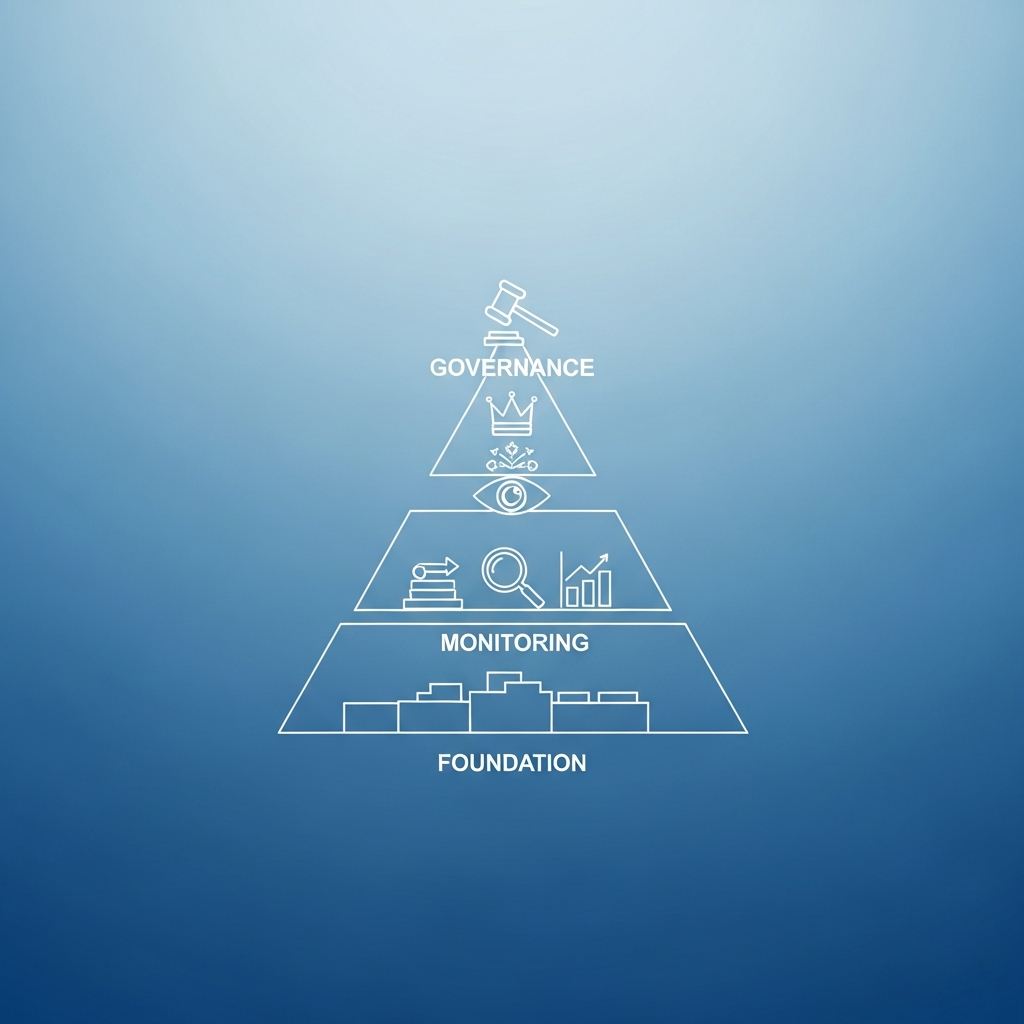
- Winning in agentic commerce requires a “trust stack” approach: foundation (structured data), monitoring (agent traffic visibility), and governance (fraud defense)
- Dropshippers who adapt now will capture market share before competitors establish dominance in AI agent discoverability
The way consumers shop online is fundamentally changing. In 2026, agentic commerce has moved from experimental concept to commercial reality, with AI shopping agents now autonomously browsing, comparing, and purchasing products without human intervention. This agentic commerce complete guide for 2026 breaks down exactly what's happening, why it matters, and the concrete steps e-commerce sellers must take to thrive in this new paradigm.
Unlike traditional e-commerce where humans browse websites, agentic commerce flips the model entirely. Your customer's AI agent becomes your new buyer persona—and if your store isn't optimized for machine readability, you're invisible.
What Is Agentic Commerce and How Does It Differ From Conversational AI?
Agentic commerce represents a fundamental shift from assisted shopping to autonomous shopping. While conversational commerce uses chatbots to help customers browse and answer questions, agentic commerce takes full control of the purchasing journey.
Here's the critical distinction:
- Conversational commerce: A chatbot recommends a moisturizer based on your skin type
- Agentic commerce: An AI agent queries multiple skincare brands, compares ingredients and prices, checks shipping policies, and completes the purchase when you approve
The agents powering this shift—including ChatGPT, Microsoft Copilot, and Google's AI Mode—don't just suggest products. They execute multi-step research, reason through trade-offs, and take action with minimal human oversight.

For dropshippers, this means your product descriptions, pricing transparency, and fulfillment policies aren't just customer-facing anymore—they're agent-facing. And agents are ruthlessly efficient at filtering out stores with incomplete or unstructured data.
Why Agentic Commerce Matters for E-Commerce in 2026
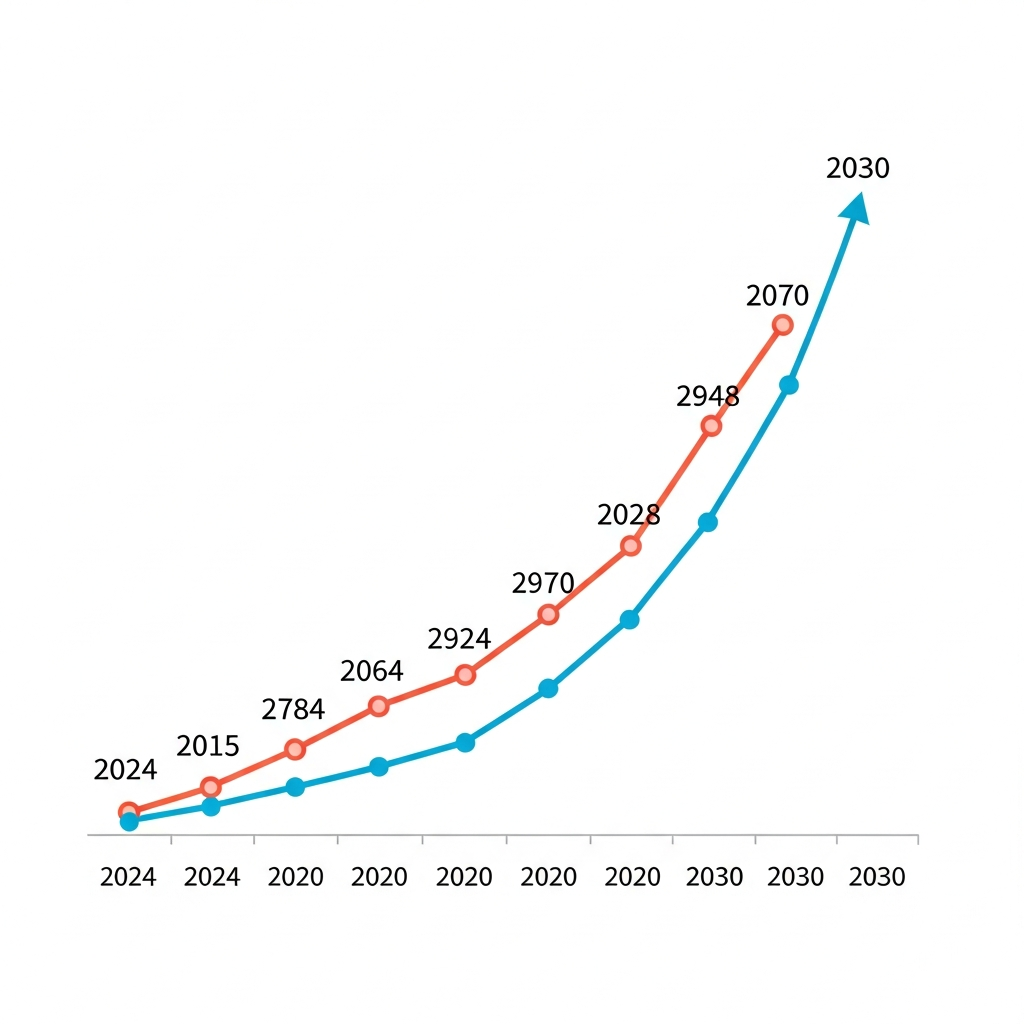
The numbers tell the story. McKinsey estimates the global agentic commerce opportunity could reach $3 trillion to $5 trillion by 2030. AI-driven orders increased 15-fold in 2025 alone, with brands like Keen Footwear and Pura Vida already generating revenue through Microsoft's Copilot Checkout.
Key market signals driving adoption:
- Major protocols have launched (ACP by OpenAI/Stripe, UCP by Shopify/Google)
- Shopify's Agentic Storefronts now give millions of merchants access to AI sales channels
- Consumer trust in AI purchasing decisions is accelerating faster than predicted
💡 Dropified Insight: Dropified's automated dropshipping workflows already structure your product data for machine readability. When you import products using Dropified's one-click system, pricing, variants, and inventory data are automatically formatted in ways that AI agents can parse—giving you a head start on agentic commerce readiness without manual markup.
This isn't theoretical anymore. The window for establishing competitive advantage is open now. Organizations that act decisively in 2026 will shape the agentic commerce landscape for years to come.
How AI Shopping Agents Actually Work
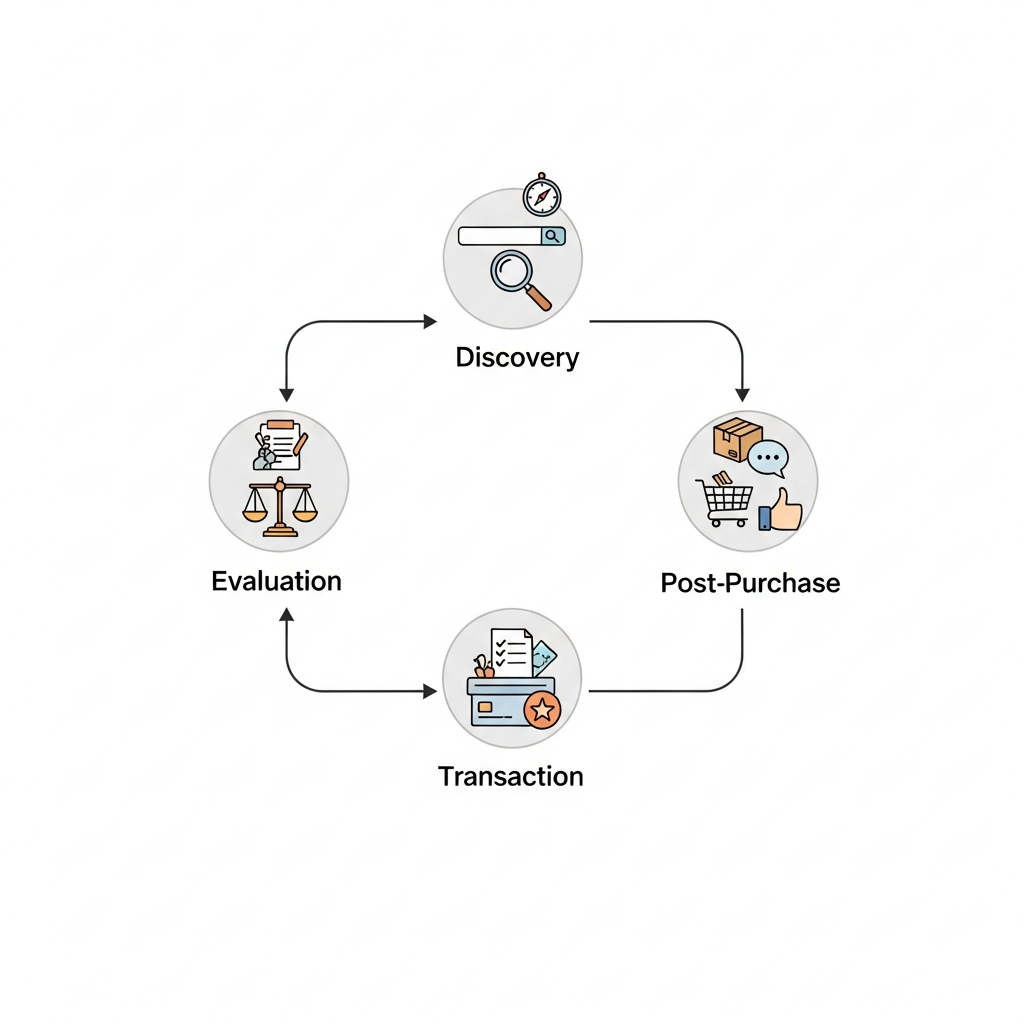
Understanding agent behavior is essential for optimization. AI shopping agents operate through a multi-phase process:
Discovery Phase: Agents crawl structured product data, schema markup, and machine-readable policies. They prioritize stores with clear, complete information over those requiring interpretation.
Evaluation Phase: Agents compare options across multiple stores simultaneously, weighing factors like price, shipping speed, return policies, and product specifications. They can query dozens of merchants in seconds.
Transaction Phase: Using protocols like the Agentic Commerce Protocol (ACP) and Universal Commerce Protocol (UCP), agents complete checkout flows autonomously. Stripe's integration with ChatGPT enables secure payment processing without human card entry.
Post-Purchase Phase: Agents track shipments, initiate returns, and even negotiate refunds on behalf of consumers.
For sellers running agentic workflows in e-commerce operations, this represents both opportunity and threat. Your automated systems may soon negotiate with customer-side automated systems—machine-to-machine commerce.
The Two Protocols Reshaping E-Commerce
Two competing standards have emerged as the backbone of agentic commerce infrastructure:
Agentic Commerce Protocol (ACP)
Developed by OpenAI and Stripe, ACP powers checkout within ChatGPT and similar platforms. It standardizes how agents authenticate, browse catalogs, and process payments securely.
Universal Commerce Protocol (UCP)
Co-developed by Shopify and Google, UCP is an open standard designed for AI-driven transactions across any platform. Shopify merchants can enable Agentic Storefronts directly from their admin panel.
What this means for dropshippers: You don't necessarily need to choose one protocol. Both are designed for interoperability. However, ensuring your store connects to at least one is no longer optional—it's table stakes for discoverability.
Some merchants are experimenting with what experts call “agent landing zones”—dedicated subdomains that consolidate browsing and purchasing interfaces specifically for AI agents. While not yet industry standard, this approach signals where the market is heading.
How to Prepare Your Store for Agentic Commerce
Based on industry frameworks, here's a phased approach to agent-readiness:
Phase 1: Foundation (Implement Now)
- Structured product data: Use Schema.org markup for products, pricing, availability, and shipping
- Policy markup: Make return policies, shipping timelines, and warranty information machine-readable
- Account integrity: Implement controls to prevent fake signups and credential abuse that can pollute your analytics
Dropified users leveraging autonomous agents for data scraping are already familiar with structured data principles—apply the same logic in reverse.
Phase 2: Monitoring (Q3-Q4 2026)
Without observability, you can't distinguish beneficial agents from malicious automation. Key actions:
- Classify agent traffic separately from human traffic
- Track which AI platforms are discovering your products
- Monitor conversion rates from agent-initiated sessions
Phase 3: Governance (2027 and Beyond)
- Implement fraud defense specifically for agentic abuse patterns
- Develop agent-specific promotional strategies
- Build relationships with major AI platform partners
Five Mistakes That Kill Agent Discoverability
Avoid these common errors that make your store invisible to AI shopping agents:
- Unstructured product descriptions: Narrative-heavy copy that humans enjoy but machines can't parse
- Missing schema markup: No structured data means agents can't reliably extract key attributes
- Opaque pricing: Hidden fees, unclear shipping costs, or prices that require calculation
- Inconsistent inventory signals: Out-of-stock items that agents waste resources evaluating
- No protocol integration: Refusing to connect to ACP or UCP locks you out of major AI channels
Stores using self-healing supply chains with AI agents for inventory management have a natural advantage—their stock levels are already synchronized for machine consumption.
The Information Gain Edge: What Competitors Aren't Telling You
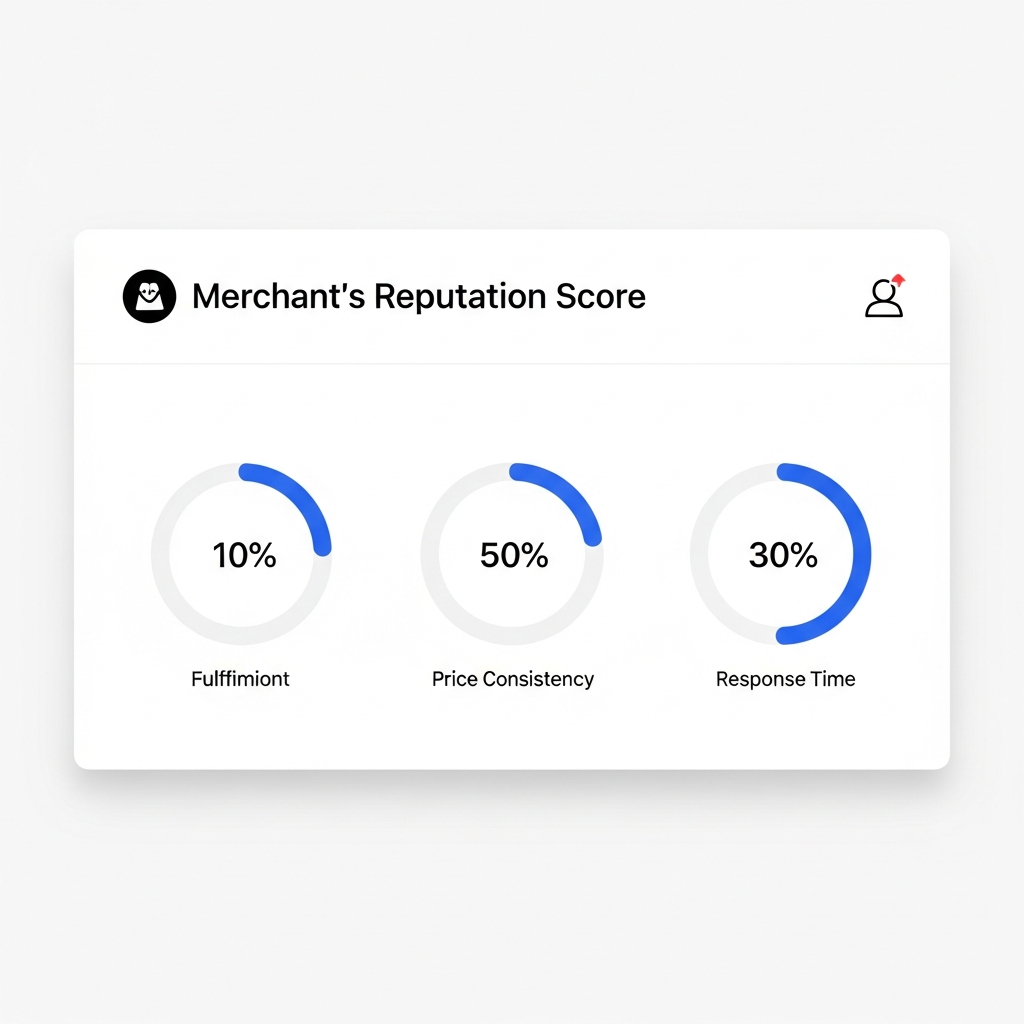
Here's what the major guides miss: agent reputation scoring is coming.
Just as Google ranks websites, AI platforms will soon rank merchants based on reliability signals. Factors likely to influence your agent reputation:
- Order fulfillment accuracy rate
- Return/refund dispute frequency
- Price consistency between discovery and checkout
- Response time for agent queries
Building this reputation starts now, before scoring systems formalize. Sellers who automate supplier negotiations and maintain consistent fulfillment will accumulate positive signals that competitors scrambling to adapt later cannot quickly replicate.
Additionally, consider agent-specific promotions. Early experiments show AI agents respond favorably to clear, programmatic discount structures (“10% off orders over $50”) versus ambiguous promotional language (“Great deals inside!”).
Preparing Your Dropshipping Business for the Agent Economy
The transition to agentic commerce rewards operational excellence. Stores with automated dropshipping systems already possess the infrastructure foundation—now it's about extending that automation to agent-facing interfaces.
Your 30-day action plan:
- Week 1: Audit your product data for schema markup gaps
- Week 2: Enable Agentic Storefronts (Shopify) or equivalent protocol integration
- Week 3: Set up agent traffic monitoring in your analytics
- Week 4: Test your checkout flow from an AI agent's perspective
For context on where dropshipping as a whole is heading, review the complete guide to dropshipping trends in 2026.
Conclusion: Act Now or Become Invisible
Agentic commerce isn't a future trend—it's happening today. With AI-driven orders increasing 15-fold and trillion-dollar market projections, the question isn't whether to adapt, but how quickly you can execute.
Key takeaways:
- Structured data is now mission-critical for discoverability
- Protocol integration (ACP/UCP) determines channel access
- Agent reputation will become the new SEO
- Early movers accumulate advantages that compound over time
The sellers who thrive in 2026 and beyond won't just be optimizing for human shoppers—they'll be building stores that AI agents trust, prefer, and recommend.
Ready to future-proof your dropshipping business? Start your free Dropified trial and gain access to automation tools that keep your product data structured, your inventory synchronized, and your operations ready for the agentic commerce era.
✨ Want an AI Summary of this article?