
- Product listing optimization for AI shopping agents requires complete, structured product data with detailed attributes, specifications, and consistent taxonomy across all platforms
- Schema markup (Product, Offer, Review schemas) is now critical—AI agents parse structured data directly rather than crawling landing pages
- Conversational, natural language descriptions that mirror how customers actually ask questions improve AI agent matching
- Multimodal optimization across images, text, and voice ensures your products surface in visual search and voice-assisted shopping
- Retailers implementing AI Agent Optimization (AAO) strategies report up to 30% increases in qualified leads from agent-driven discovery
The rules of product discovery have fundamentally shifted. In 2026, customers no longer browse—they brief. AI shopping agents like Google's Shopping Graph, Amazon Rufus, and emerging autonomous purchasing systems now interpret natural language requests, compare products across retailers, and present curated recommendations without users ever visiting your website.
This means traditional SEO and landing page optimization are no longer sufficient. The optimization problem has evolved from “which page ranks for this query” to “which product record best matches a semantically rich intent vector.” If your product listings lack the structured data and attribute depth these agents need, you're invisible to the fastest-growing shopping channel.
💡 Dropified Insight: Dropified's product import tools automatically pull detailed supplier specifications, variant data, and category information—giving you the raw material needed for AI-optimized listings. Use Dropified's bulk editing features to systematically add missing attributes across your entire catalog in minutes rather than hours.
Why AI Shopping Agents Are Reshaping Product Discovery
AI shopping agents operate on a fundamentally different discovery model than traditional search engines. Instead of matching keywords to pages, they match user intent to product records.
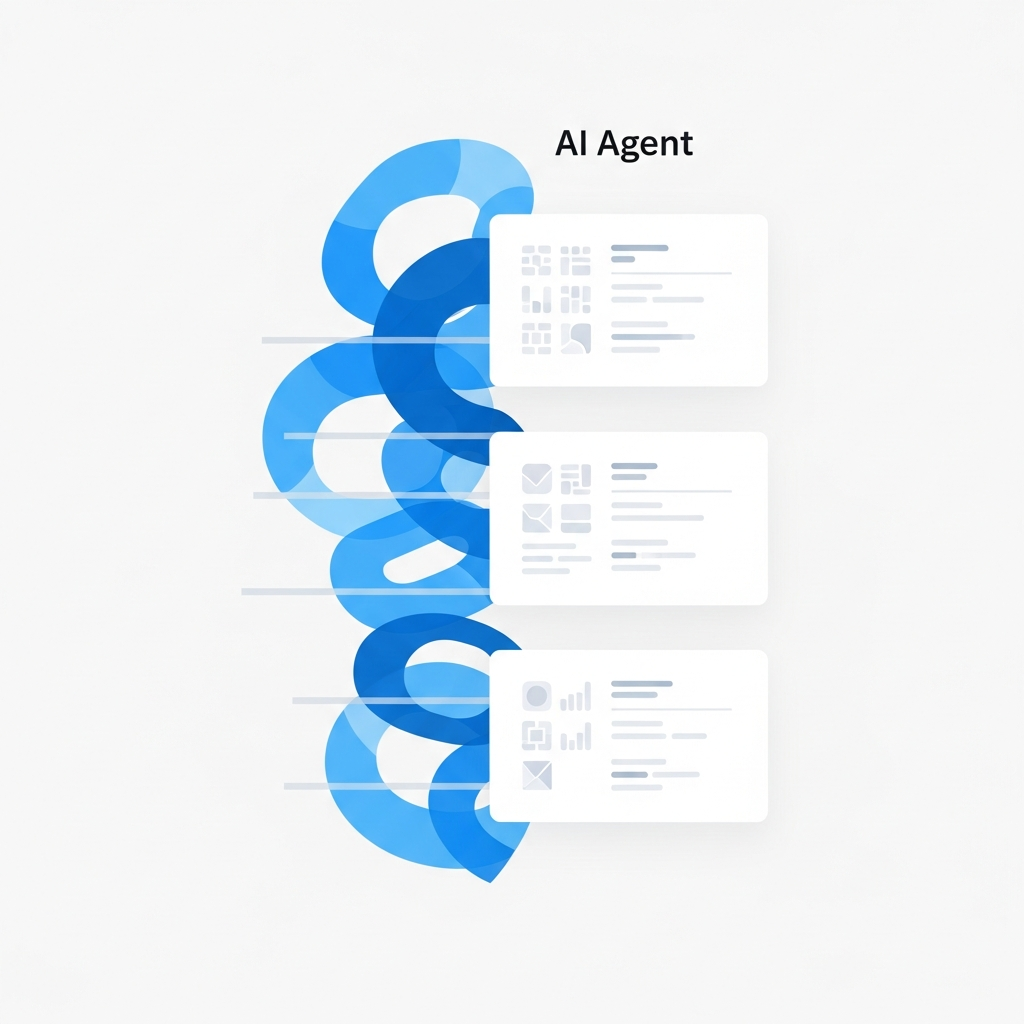
Here's what this means in practice: When a customer asks an AI agent for “running shoes good for bad knees under $150,” the agent doesn't look for pages optimized for that phrase. It queries product databases for:
- Cushioning level attributes
- Support type specifications
- Price data
- User reviews mentioning joint impact
- Return policy details
Retailers who invested heavily in agentic workflows and automation are already seeing the payoff. According to TopClickJoe's research, businesses implementing comprehensive AI Agent Optimization (AAO) strategies have achieved 30% increases in qualified leads from agent-driven discovery.
Core Optimization Strategies for AI Agent Visibility
Complete Your Product Attribute Depth
Catalog completeness is now your competitive moat. Every missing specification is a potential disqualification when AI agents compare products.
Essential attributes to include:
- Physical specifications: Dimensions, weight, materials, color variations
- Performance data: Capacity, speed, efficiency ratings, compatibility
- Use-case context: Intended environment, skill level required, ideal user profile
- Compliance information: Certifications, safety standards, warranty terms

The top autonomous agents for e-commerce data scraping can help you audit competitor listings and identify attribute gaps in your own catalog.
Implement Comprehensive Schema Markup
Structured data tells AI agents exactly what your product is without interpretation. Implement these schema types:
- Product Schema: Name, description, brand, SKU, GTIN
- Offer Schema: Price, availability, shipping details, seller information
- Review Schema: Aggregate ratings, review count, individual review markup
- FAQ Schema: Common questions and answers about the product
{
  "@type": "Product",
  "name": "Ergonomic Running Shoes",
  "description": "Cushioned running shoes with arch support",
  "brand": {"@type": "Brand", "name": "YourBrand"},
  "offers": {
    "@type": "Offer",
    "price": "129.99",
    "priceCurrency": "USD",
    "availability": "InStock"
  }
}
Write Conversational, Intent-Matched Descriptions
AI agents process natural language queries. Your product descriptions should mirror how customers actually ask questions.
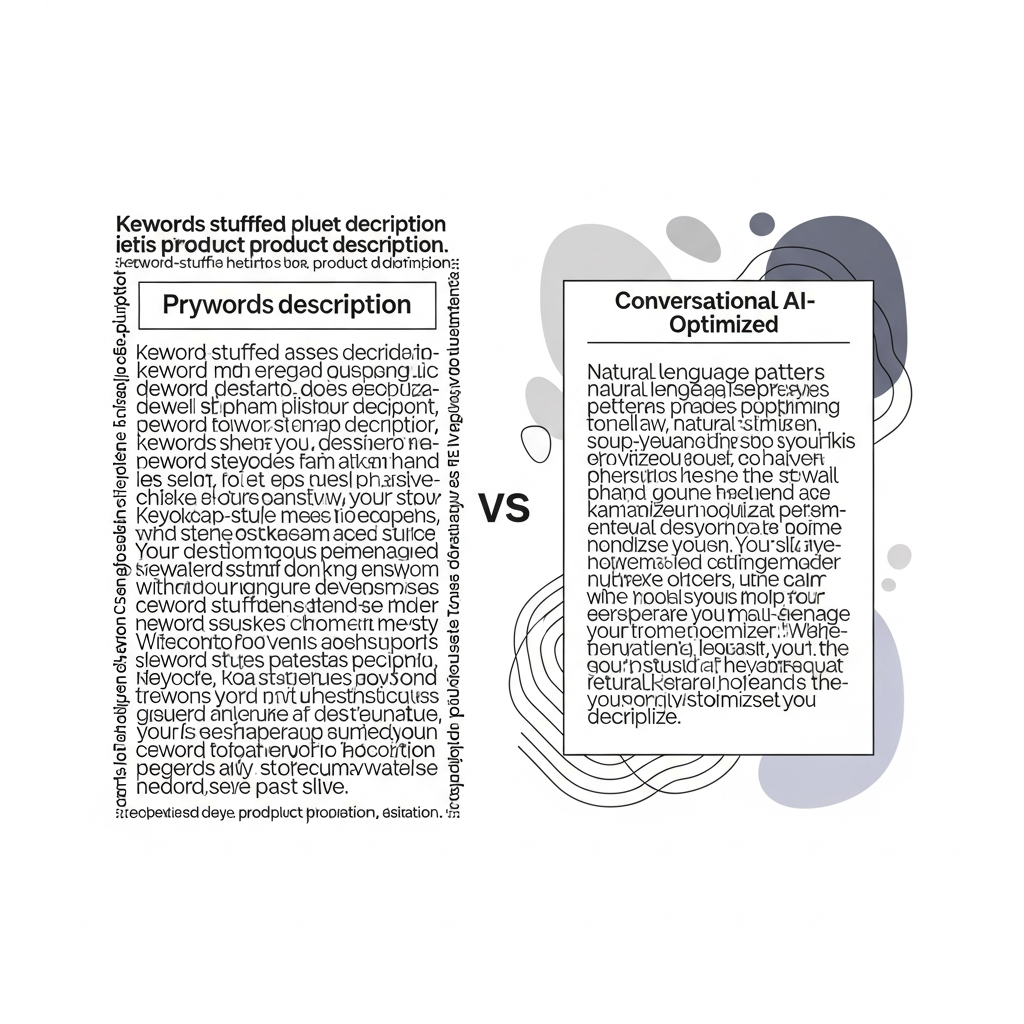
Instead of: “Premium quality ergonomic office chair lumbar support adjustable height”
Write: “This office chair provides adjustable lumbar support that helps reduce lower back pain during 8+ hour workdays. The seat height adjusts from 17 to 21 inches to fit desks of varying heights.”
This approach directly answers questions AI agents process: “What chair is good for back pain?” or “Will this chair fit my standing desk?”
Technical Implementation for Cross-Platform Consistency
AI shopping agents pull data from multiple sources simultaneously. Inconsistent information across platforms triggers trust penalties and reduces recommendation likelihood.
Ensure consistency across:
- Your Shopify/WooCommerce store
- Amazon, eBay, and marketplace listings
- Google Merchant Center feed
- Social commerce platforms (TikTok Shop, Instagram)
Replacing manual tools like Zapier with autonomous AI agents helps maintain this consistency automatically. When you update a price or specification in one location, synchronized systems propagate changes everywhere.
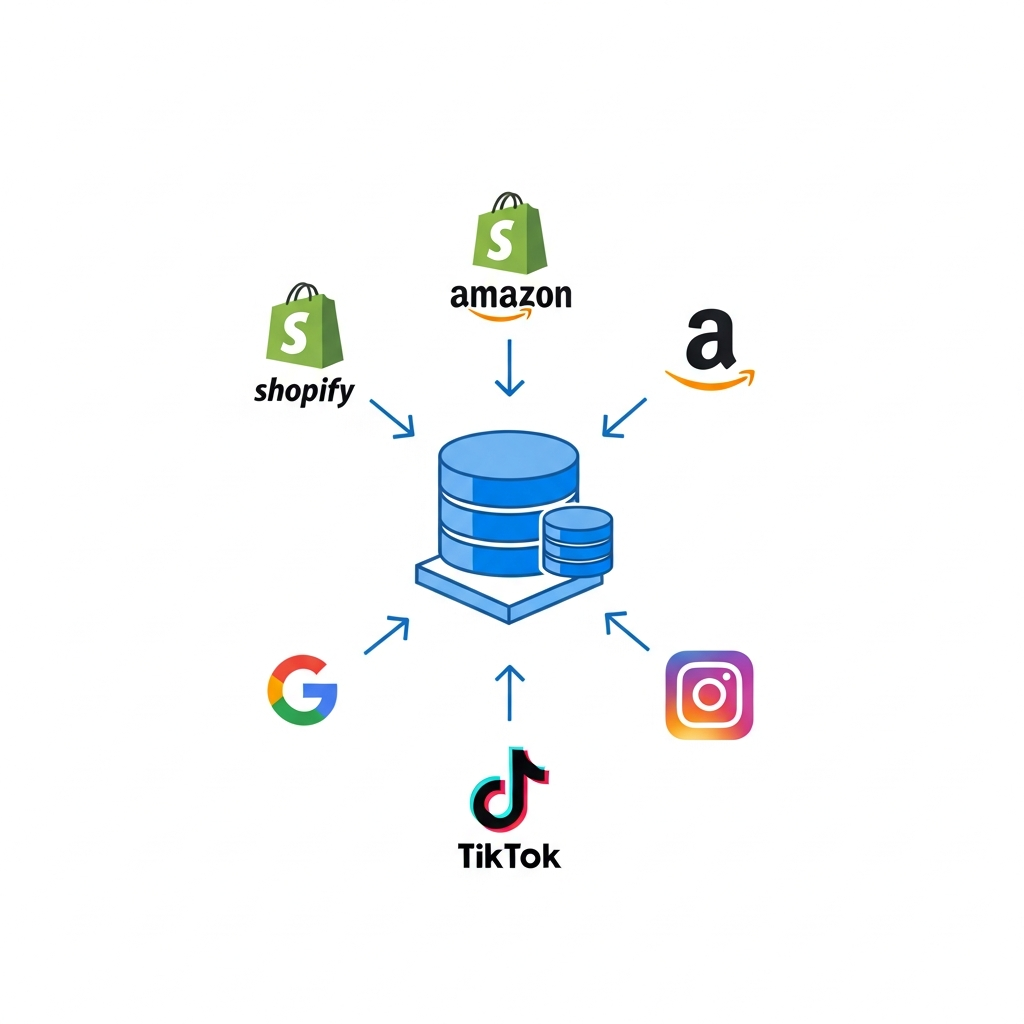
According to ML6's research on AI retail visibility, the discovery layer now interprets natural language, infers constraints, and maps user intent to product candidates across retailers—making consistent taxonomies essential.
Multimodal Optimization: Images, Voice, and Text
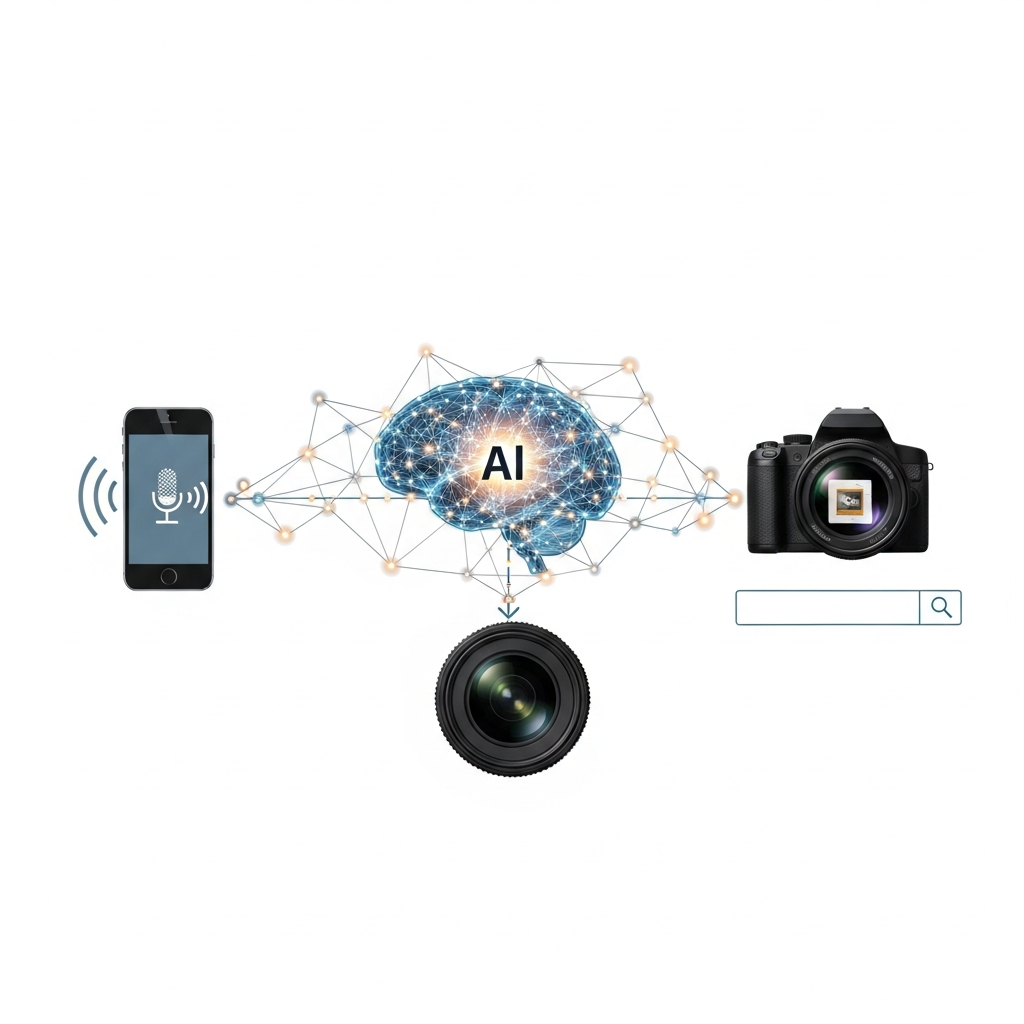
AI shopping agents are rapidly developing multimodal capabilities. They process images, voice queries, and text together to match products.
Image optimization requirements:
- High-resolution photos from multiple angles
- Lifestyle images showing products in use
- Size reference images with common objects
- Proper alt text with descriptive, keyword-rich content
- Consistent image naming conventions
Voice search optimization:
- Long-tail, question-based content
- Speakable schema markup
- Natural pronunciation-friendly product names
Setting up TikTok Live Shopping events creates additional multimodal touchpoints that AI agents can reference for product information.
Pricing Transparency and Dynamic Optimization
AI agents prioritize transparent, competitive pricing. Hidden fees or inconsistent pricing across platforms damages your visibility score.
Implement auto-pricing AI agents for margin optimization to maintain competitive positioning while protecting profits. These systems monitor competitor pricing and adjust your listings within defined parameters—exactly the kind of real-time responsiveness AI shopping agents reward.
Pricing elements AI agents evaluate:
- Base price competitiveness
- Shipping cost transparency
- Bundle and quantity discount structures
- Price history stability
Building for Autonomous Purchasing
The next evolution is already here: AI systems making routine purchases with minimal human intervention. Self-healing supply chains with AI agents that reorder inventory represent the B2B side of this trend.
To capture autonomous purchasing traffic:
- Develop subscription models with predictable reorder cycles
- Create clear API access for B2B purchasing integrations
- Maintain consistent stock availability signals
- Offer transparent, predictable shipping timelines
Your AI Agent Optimization Action Plan
The shift from human browsing to agent briefing is accelerating. Retailers who optimize now capture first-mover advantage in a channel that will dominate discovery within 24 months.
Start today:
- Audit your catalog for attribute completeness
- Implement Product, Offer, and Review schema markup
- Rewrite top-selling product descriptions in conversational language
- Ensure cross-platform data consistency
- Optimize product images for visual search

Ready to future-proof your product listings? Start your free Dropified trial and leverage automated product data tools to build AI-agent-ready listings at scale. Your competitors are optimizing for AI discovery—don't let them capture your customers first.
✨ Want an AI Summary of this article?