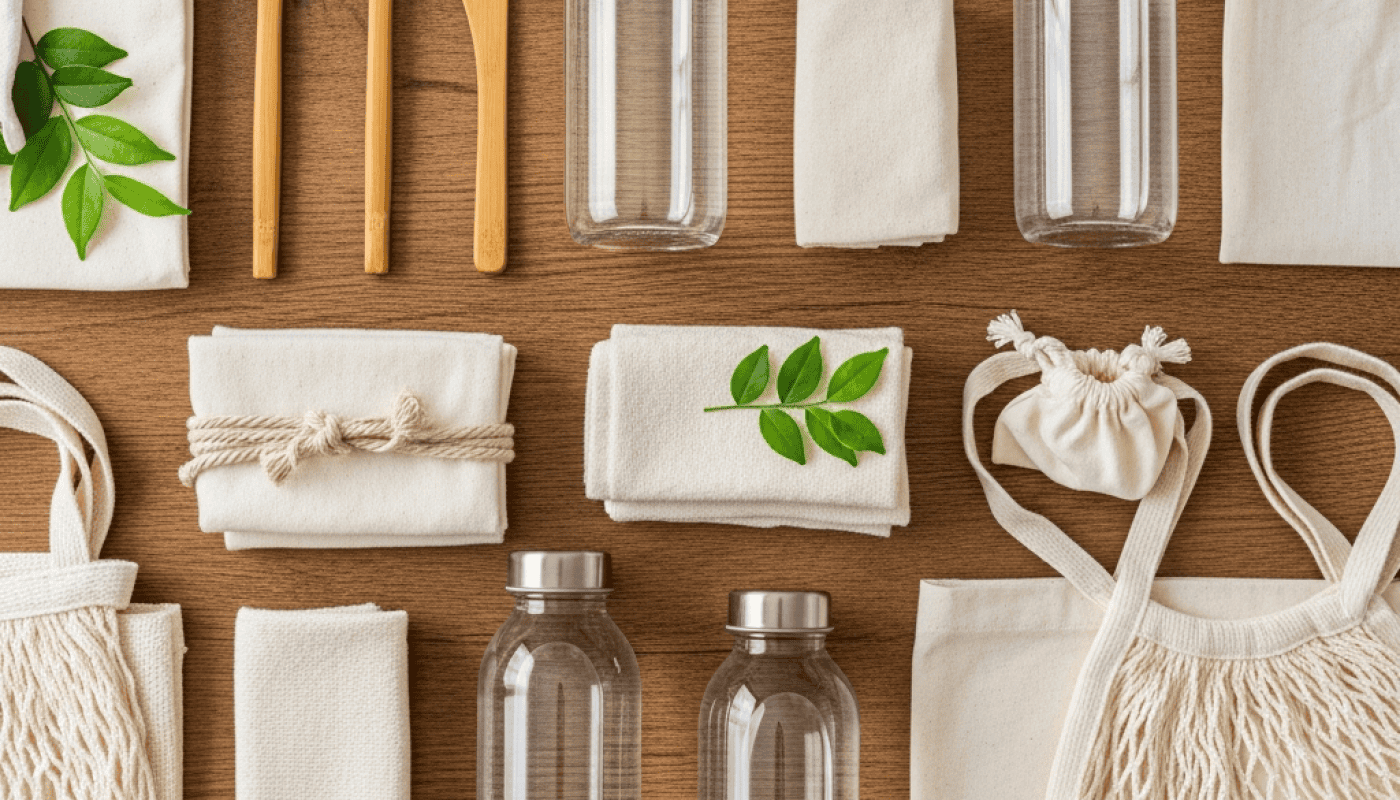
- Eco-friendly dropshipping products that sell in 2026 include reusable water bottles, bamboo kitchenware, organic cotton tote bags, beeswax food wraps, and plant-based pet accessories — all driven by a measurable shift toward conscious consumer spending.
- The global green consumer goods market is projected to surpass $400 billion by 2027, making sustainable products one of the highest-growth dropshipping categories available right now.
- Repeat customers account for roughly 30% of online store revenue, and eco-conscious buyers show even higher loyalty rates when product quality and ethical sourcing are verified.
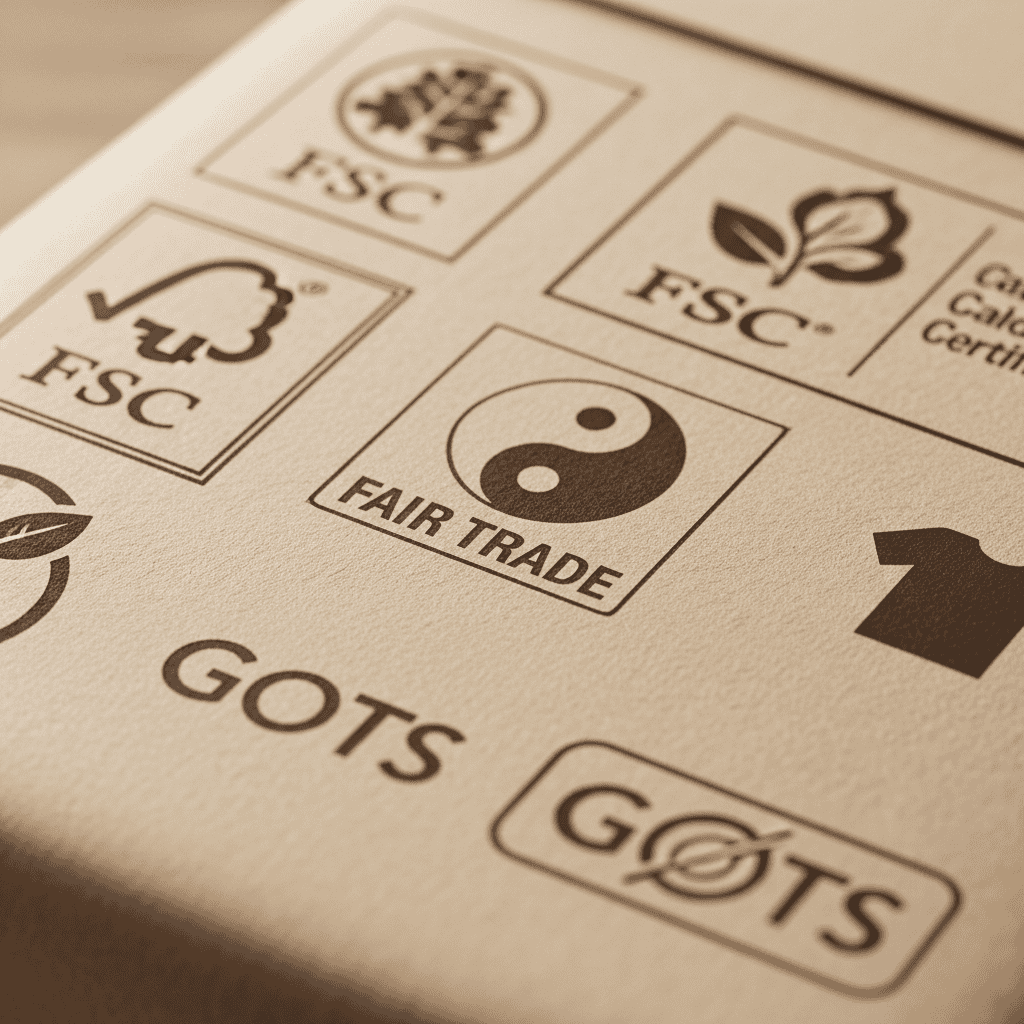
- Profitability hinges on selecting products with recognized certifications (FSC, GOTS, Fair Trade), avoiding greenwashing claims, and building a cohesive niche store rather than a general catalog.
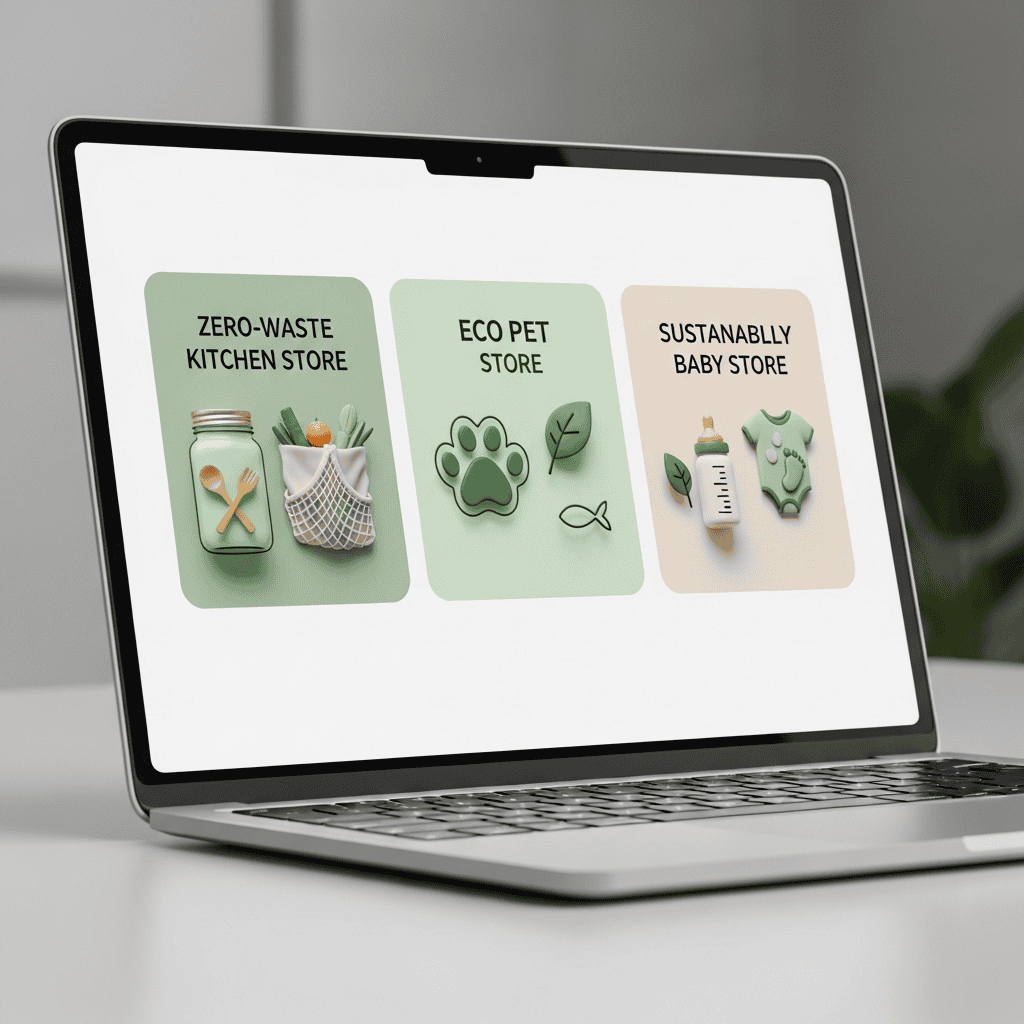
- Sellers who specialize in themed eco-stores — such as green pet care, zero-waste kitchens, or sustainable baby products — consistently outperform generalist competitors on conversion rates and average order value.
Why Eco-Friendly Products Are Dominating Dropshipping in 2026
The sustainable products market is no longer a fringe movement — it is a dominant purchasing force. Consumer surveys consistently show that over 70% of online shoppers are willing to pay a premium for products with verified environmental credentials. For dropshippers, this translates directly into higher margins and stronger brand loyalty.
What makes 2026 different from previous years is the maturation of buyer expectations. Shoppers no longer accept vague “green” labels. They demand certifications, transparent supply chains, and packaging that matches the product's sustainability claims. This evolution creates a significant barrier to entry for lazy sellers — and a massive opportunity for those willing to do the work.
The most profitable dropshipping niches in 2026 increasingly overlap with sustainability categories. Eco-products sit at the intersection of high demand, strong emotional buying triggers, and defensible branding — three pillars of long-term ecommerce success.
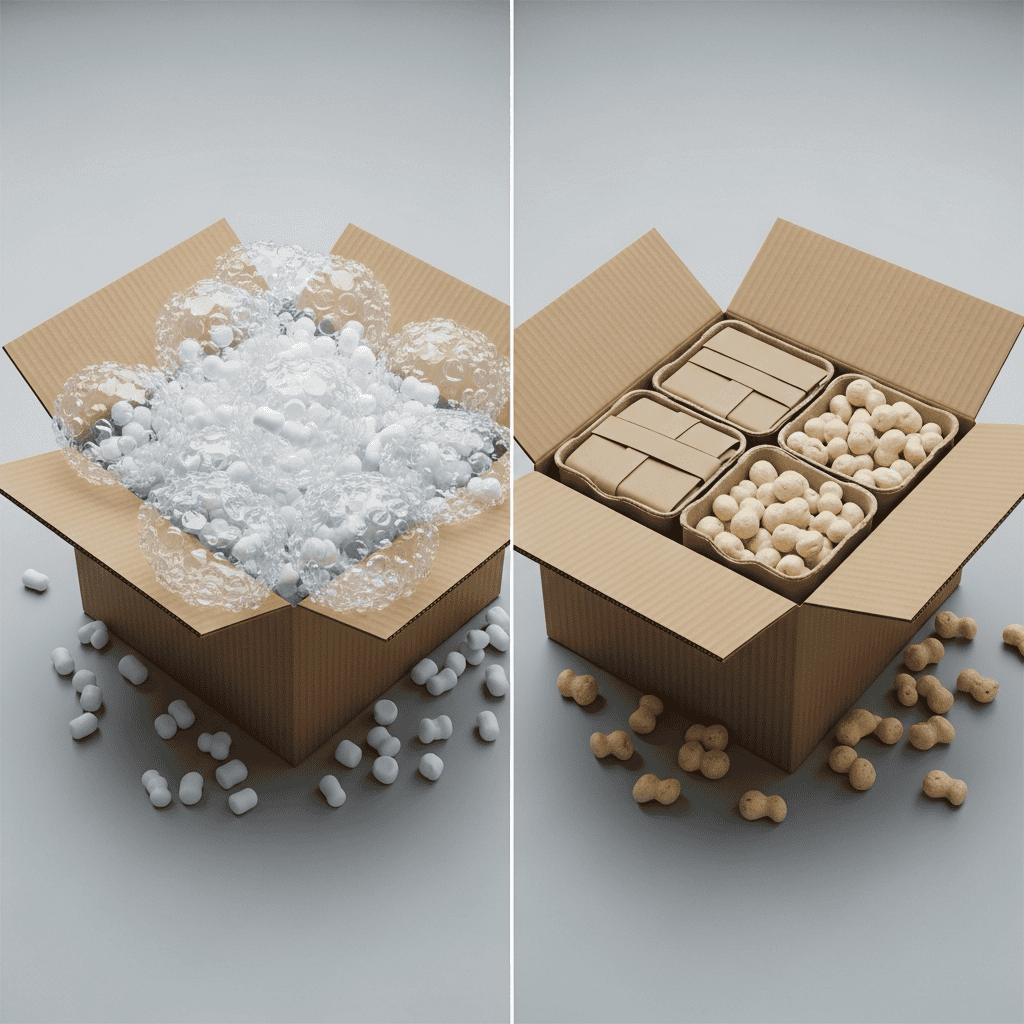
💡 Dropified Insight: Dropified's one-click product import tool lets you rapidly test eco-friendly products from vetted suppliers without committing inventory capital. Use the built-in product research features to filter for suppliers who offer sustainable packaging and certified materials — then import winning products directly to your Shopify or WooCommerce store in seconds, complete with optimized descriptions you can tailor to highlight environmental certifications.
Top Eco-Friendly Dropshipping Products That Actually Convert
Not every sustainable product sells well online. The winners share three traits: they solve a daily problem, they photograph well for social media marketing, and they carry a price point that supports healthy margins after shipping. Here are the categories generating real revenue in 2026.
Reusable Kitchen and Household Goods
- Beeswax food wraps — replacing single-use plastic wrap, with repeat purchase rates above 40%
- Bamboo utensil sets — lightweight, visually appealing, and ideal for gift-oriented marketing
- Compostable trash bags — a consumable product that drives recurring orders
- Refillable cleaning concentrate kits — emerging fast as a high-AOV subscription opportunity
Bamboo and plant-fiber kitchen products remain the backbone of successful eco-stores. Jungle Culture, a leading eco supplier, reports that product quality directly correlates with repeat purchase rates, with loyal customers comprising approximately 30% of total revenue for well-run stores.

Personal Care and Zero-Waste Accessories
- Shampoo and conditioner bars — eliminate plastic bottles, high perceived value
- Bamboo toothbrushes — one of the most searched eco-products globally
- Organic cotton reusable makeup pads — strong repeat buyer appeal
- Refillable deodorant containers — growing 35%+ year-over-year in search demand
Personal care is where impulse buying meets values-driven purchasing. These products benefit from strategic pricing approaches that bundle items (e.g., “Zero-Waste Bathroom Starter Kit”) to increase average order value from $15 to $45+.
Plant-Based Pet Products
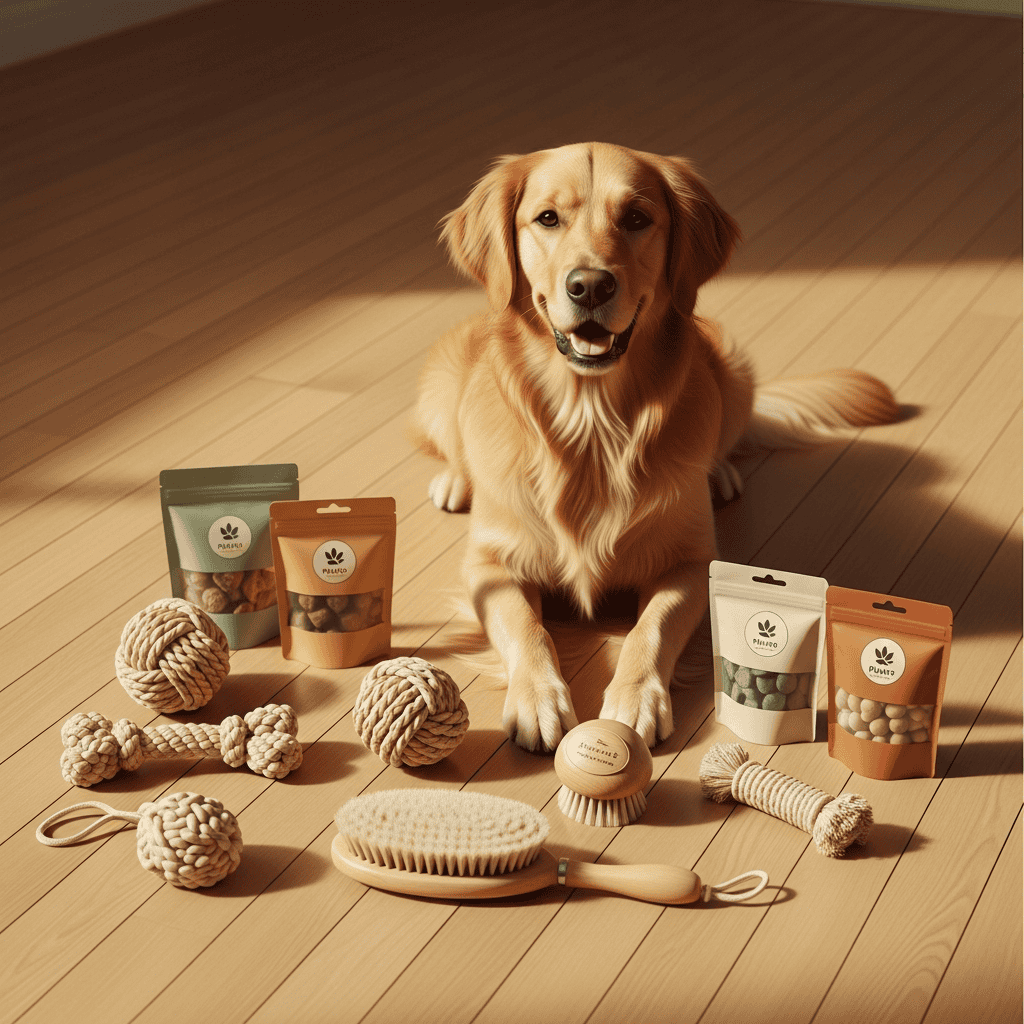
The eco pet care niche is exploding. Pet products dropshipping already ranks among the most profitable verticals, and adding a sustainability angle differentiates your store immediately. Top sellers include hemp rope toys, plant-based waste bags, and organic grooming kits.
As CJ Dropshipping's research notes, specializing in a themed eco-store — like a dedicated green pet shop — attracts highly targeted customers and positions your brand as the go-to authority in that segment.
How to Validate Eco-Products Before You Sell Them
Finding products is easy. Finding products that actually sell profitably requires validation. Here is a framework that goes beyond what competitors typically recommend.
The 5-Point Eco-Product Validation Framework
- Search demand check — Use Google Trends to verify the product's trajectory is rising, not plateauing. Flat trends signal market saturation.
- Certification audit — Confirm the supplier holds at least one recognized certification (FSC, GOTS, OEKO-TEX, Fair Trade). Products without certifications face increasing scrutiny from both consumers and advertising platforms.
- Margin viability — Target a minimum 3x markup. Eco-products command premium pricing, but shipping costs for heavier items (glass bottles, ceramic containers) can erode margins quickly.
- Visual appeal score — If the product cannot generate a scroll-stopping image for Instagram or TikTok without heavy graphic design, skip it.
- Return complexity — Evaluate how returns will impact your operations. Fragile eco-products (glass, ceramics) carry higher return risk and may require specialized packaging.
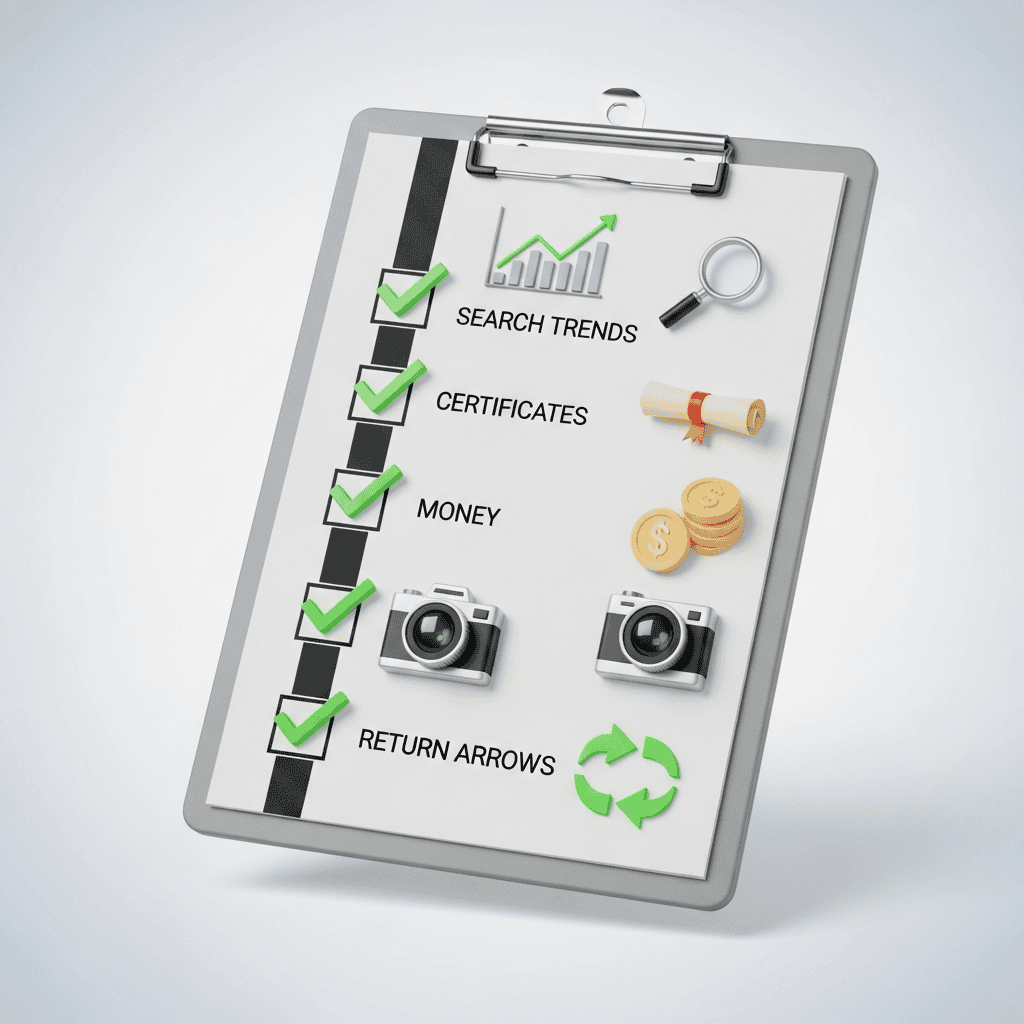
This 5-point framework represents genuine Information Gain — most competitor articles simply list products without providing a repeatable system for evaluating whether those products will generate profit in your specific store context.
Avoiding Greenwashing: The Trust Factor That Drives Sales
Authenticity is the single biggest differentiator in eco-friendly ecommerce. Consumers in 2026 actively research brands before purchasing, and social media callouts of greenwashing can destroy a store overnight.
Practical steps to build genuine eco-credibility:
- Display supplier certifications prominently on product pages
- Use packaging materials that match your sustainability messaging
- Include a dedicated “Our Sustainability Standards” page on your store
- Share supply chain details — where materials are sourced, how products are made
- Avoid absolute claims (“100% eco”) in favor of specific, verifiable statements (“Made from 95% post-consumer recycled ocean plastic, certified by Ocean Bound Plastic”)
Sellers operating across multiple platforms like Amazon and Shopify need to maintain consistent sustainability messaging everywhere. Inconsistencies between platforms erode trust faster than no claims at all.
Building a Themed Eco-Store That Outperforms Generalists
The data is clear: niche eco-stores convert at significantly higher rates than general dropshipping catalogs that happen to include some green products. The reason is brand coherence.
Three proven eco-store themes for 2026:
| Store Theme | Core Products | Avg. Order Value | Audience |
|---|---|---|---|
| Zero-Waste Kitchen | Beeswax wraps, bamboo utensils, compost bins | $35-55 | Health-conscious home cooks |
| Eco Pet Parent | Hemp toys, plant-based bags, organic treats | $28-42 | Millennial/Gen-Z pet owners |
| Sustainable Baby | Organic diapers, wooden toys, non-toxic nursery items | $45-70 | New parents ages 25-38 |
Each theme creates a natural upsell and cross-sell ecosystem. A customer who buys bamboo utensils is highly likely to add beeswax wraps and compostable sponges. This bundling strategy is where margins compound.
Explore the Dropified blog for additional niche selection strategies and platform-specific guides, including eBay dropshipping tactics that apply directly to eco-product stores.
Your Next Move: Launch an Eco-Store That Lasts
Eco-friendly dropshipping products that sell in 2026 share a common thread — they solve real problems, carry verifiable sustainability credentials, and exist within a focused store theme that builds buyer trust over time.
Key takeaways:
- Start with one niche theme, not a scattered product catalog
- Validate every product through the 5-point framework before importing
- Invest in certification transparency as your primary competitive moat
- Use consumable eco-products (compostable bags, refill kits, shampoo bars) to generate recurring revenue
- Build your supplier roster around quality and verified sustainability — not just price
The fastest path from idea to live eco-store is Dropified's automated product import and fulfillment system. Import certified eco-products from vetted suppliers, push them to your store, and fulfill orders with a single click — without managing inventory or touching a shipping label.
Start your free Dropified trial today and build the sustainable dropshipping brand your customers are already searching for.
✨ Want an AI Summary of this article?






Explore Related Dropshipping Niches
- The 2026 Seasonal Dropshipping Calendar: A Month-by-Month Guide to Launching Products at Peak Demand
- Event-Driven Dropshipping: How to Source and Sell Products Around Movie Releases, Sports Seasons, and Viral Moments
- January Dropshipping Surge: How to Capture New Year's Resolution Buyers With Fitness and Self-Improvement Products
- How to Calculate True Shipping Costs for Bulky Dropshipping Products Before You List Them
- How to Find Winning Dropshipping Products in 2026: The Ultimate Niche & Product Research Guide