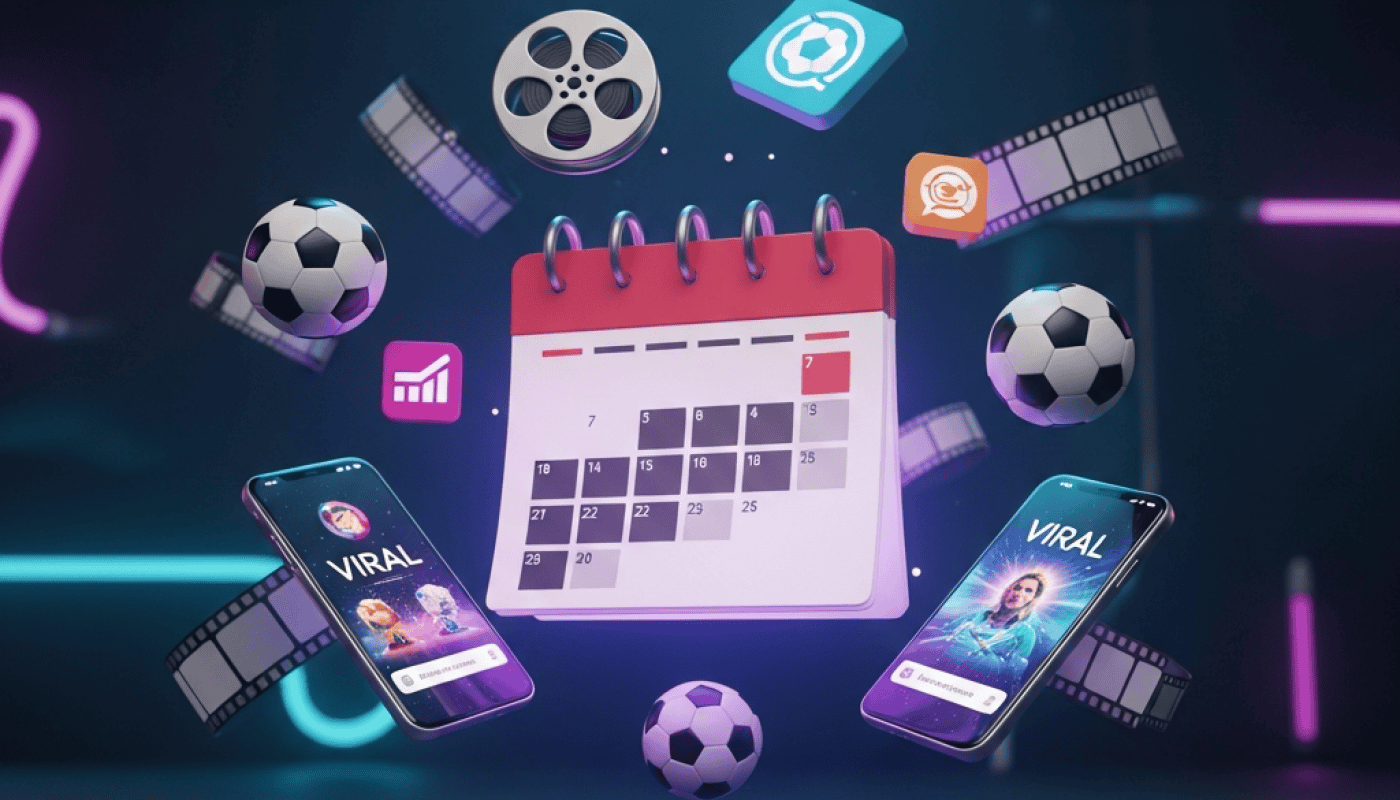
- An event driven dropshipping strategy ties your product catalog to predictable cultural moments — movie premieres, sports seasons, award shows, and viral trends — so you capture demand spikes before competitors react.
- Successful event-driven sellers build a 90-day event calendar, pre-list products 2-4 weeks before each event, and use social listening tools to catch viral moments within hours.
- The most profitable event categories in 2026 include superhero franchise releases, global sporting events, nostalgia-driven reboots, and TikTok-fueled micro-trends.
- Speed is the deciding factor: sellers who source and list products within 24-48 hours of a viral moment capture 60-80% of the trend's total revenue window.
- Pairing event-driven inventory with automated fulfillment tools eliminates the bottleneck between trend detection and first sale.
What Is Event-Driven Dropshipping and Why Does It Work?
Event-driven dropshipping is the practice of sourcing, listing, and marketing products timed to specific cultural events, entertainment releases, or viral moments. Unlike evergreen product strategies, this approach rides predictable (and sometimes unpredictable) waves of consumer demand.
The model works because consumer intent peaks sharply around events. A new superhero movie doesn't just sell tickets — it sells phone cases, t-shirts, themed mugs, cosplay accessories, and novelty items. The 2025 global licensed merchandise market surpassed $340 billion, and event-adjacent (non-licensed, inspired-by) products represent a growing share of that spend.
The key difference between sellers who profit and those who miss the window comes down to preparation and speed. An event driven dropshipping strategy replaces guesswork with a systematic calendar-based sourcing workflow.
💡 Dropified Insight: Dropified's one-click product import lets you move from trend discovery to live listing in under five minutes. When a viral moment breaks, you can search AliExpress or supported suppliers, import product details, images, and variants directly to your Shopify or WooCommerce store — no manual data entry. This speed advantage is the difference between catching the wave and watching it pass.

How to Build a 90-Day Event Calendar for Product Sourcing
The foundation of every profitable event driven dropshipping strategy is a forward-looking event calendar. Here's how to build one that actually drives revenue.
Step 1: Map Predictable Tentpole Events
Start with events you can plan for months in advance:
- Movie and streaming releases — Studio release schedules are published 12-18 months ahead. Track Marvel, DC, Disney, and major franchise dates.
- Sports seasons — NFL kickoff, NBA playoffs, FIFA tournaments, the Olympics, and March Madness all generate massive merchandise demand.
- Award shows and cultural events — The Oscars, Grammys, Met Gala, and Comic-Con create 48-72 hour buying windows.
- Holidays and retail events — Black Friday, Valentine's Day, Halloween, and back-to-school are evergreen but benefit from event-driven product spins.
Step 2: Layer in Reactive Trend Monitoring
Predictable events are your baseline. Viral moments are your multiplier. Use these tools daily:
- Google Trends — Set alerts for rising breakout queries in your niche.
- TikTok Creative Center — Monitor trending hashtags and sounds for product-adjacent virality.
- Twitter/X Trending Topics — Catch meme-driven product demand in real time.
- Reddit front page — Subreddits like r/shutupandtakemymoney surface viral products early.
As marketing strategists at Minea note, platform selection must align with your product type — visual products thrive on Instagram and TikTok, while niche hobbyist products perform better through SEO and Reddit communities.

Step 3: Pre-Source Products 2-4 Weeks Out
For every tentpole event on your calendar:
- Identify 5-10 product ideas related to the event theme (not licensed IP — inspired-by designs and accessories).
- Search suppliers for existing inventory. Avoid products that require custom manufacturing unless your lead time allows it.
- Import product reviews from AliExpress to add instant social proof to new listings.
- Pre-write product descriptions and ad copy so you can go live the moment timing is right.
This pre-staging approach means you launch on day one of the hype cycle, not day five when margins have already compressed.
The Viral Moment Playbook: From Trend to Sale in 24 Hours
Viral moments are where event-driven dropshipping delivers outsized returns — but only if you move fast. Here is a repeatable framework.
Hour 0-4: Detection. Your social listening tools flag a spike. A celebrity wears a distinctive accessory. A meme format explodes. A movie trailer drops and one prop or costume detail captures the internet's attention.
Hour 4-12: Sourcing. Search suppliers for products matching the trend. Look for items already in stock with fast shipping — this is not the time for custom orders. Calculate your true shipping costs upfront so you price for profit, not just volume.
Hour 12-24: Listing and Launch. Import products, optimize titles and descriptions with trending search terms, and push initial traffic through paid social ads targeting the trend's audience.
Hour 24-72: Scale or Kill. Monitor conversion rates. Double down on winners with increased ad spend. Kill underperformers immediately to protect your budget.
Profitable Event Categories for 2026
Not all events convert equally. Based on current market patterns, these categories offer the strongest margins for dropshippers this year:
| Event Category | Demand Window | Product Examples | Margin Potential |
|---|---|---|---|
| Superhero/franchise films | 2-6 weeks | Themed accessories, cosplay items, novelty gifts | High |
| Major sports finals | 1-3 weeks | Fan gear, party supplies, themed drinkware | Medium-High |
| Viral TikTok moments | 24-72 hours | Exact-match products featured in viral videos | Very High (but brief) |
| Nostalgia reboots/reunions | 2-4 weeks | Retro-styled apparel, collectible-adjacent items | High |
| Award show fashion | 48-72 hours | Look-alike jewelry, accessories, beauty products | Medium |
The smartest operators don't choose one category. They maintain a diverse product catalog spanning multiple event types so revenue stays consistent even when individual trends fade.

Protecting Your Margins During Demand Spikes
Event-driven selling creates a specific financial risk: supplier prices and shipping costs often fluctuate during peak demand. A product that costs $4 to source on Monday might cost $6 by Thursday if multiple sellers are competing for the same inventory.
Protect yourself with these practices:
- Set margin floors — Never list a product below a 40% gross margin. If supplier costs spike above your floor, pause the listing.
- Use shipping cost variance alerts to catch cost changes before they erode your profits.
- Diversify suppliers — Source the same product from 2-3 suppliers so you have fallback options during stock-outs.
- Front-load ad spend — The first 48 hours of a trend yield the highest conversion rates and lowest CPAs. Spending later in the cycle means paying more for less.
As SCAYLE's analysis of modern e-commerce infrastructure notes, real-time data exchange between checkout and delivery systems is what separates scalable dropshipping from chaotic order management during demand surges.
The Information Gain: The “Event Decay Curve” Framework
Here's something missing from every competitor article on this topic: every event follows a predictable revenue decay curve, and understanding this curve determines whether you profit or break even.
The Event Decay Curve works like this:
- Phase 1 (Anticipation): 1-4 weeks before the event. Demand builds slowly. Early listers with SEO-optimized pages capture organic traffic at low competition. This phase generates ~15% of total event revenue.
- Phase 2 (Peak): Event day through 48-72 hours after. Demand explodes. Paid ads convert at peak rates. This phase generates ~60% of total revenue.
- Phase 3 (Long Tail): 1-4 weeks post-event. Demand declines but doesn't vanish. Gifting, late adopters, and collectors sustain moderate sales. This phase generates ~25% of total revenue.
Most dropshippers only operate in Phase 2 — they react after the event hits. By pre-staging products for Phase 1, you capture organic rankings that compound into Phase 2 and Phase 3, dramatically improving your total return on each event.
This is the structural advantage that turns event-driven dropshipping from a gamble into a repeatable system. Building profitable online business characteristics into your event-driven operations means thinking in cycles, not one-off sprints.

Conclusion: Turn Cultural Moments Into Revenue Cycles
An event driven dropshipping strategy transforms unpredictable cultural energy into systematic, repeatable revenue. The formula is straightforward: build your calendar, pre-source products, move fast on viral moments, and understand the decay curve so you maximize every phase of demand.
The sellers who win aren't necessarily smarter or better funded — they're simply faster and more prepared. With the right tools and workflow, you can go from trend detection to live product listing in minutes, not days.
Start your free Dropified trial today and use one-click imports, automated fulfillment, and seamless store integration to capture the next big event before your competitors even notice it's trending. Your first event-driven product could be live before the end of today.
✨ Want an AI Summary of this article?