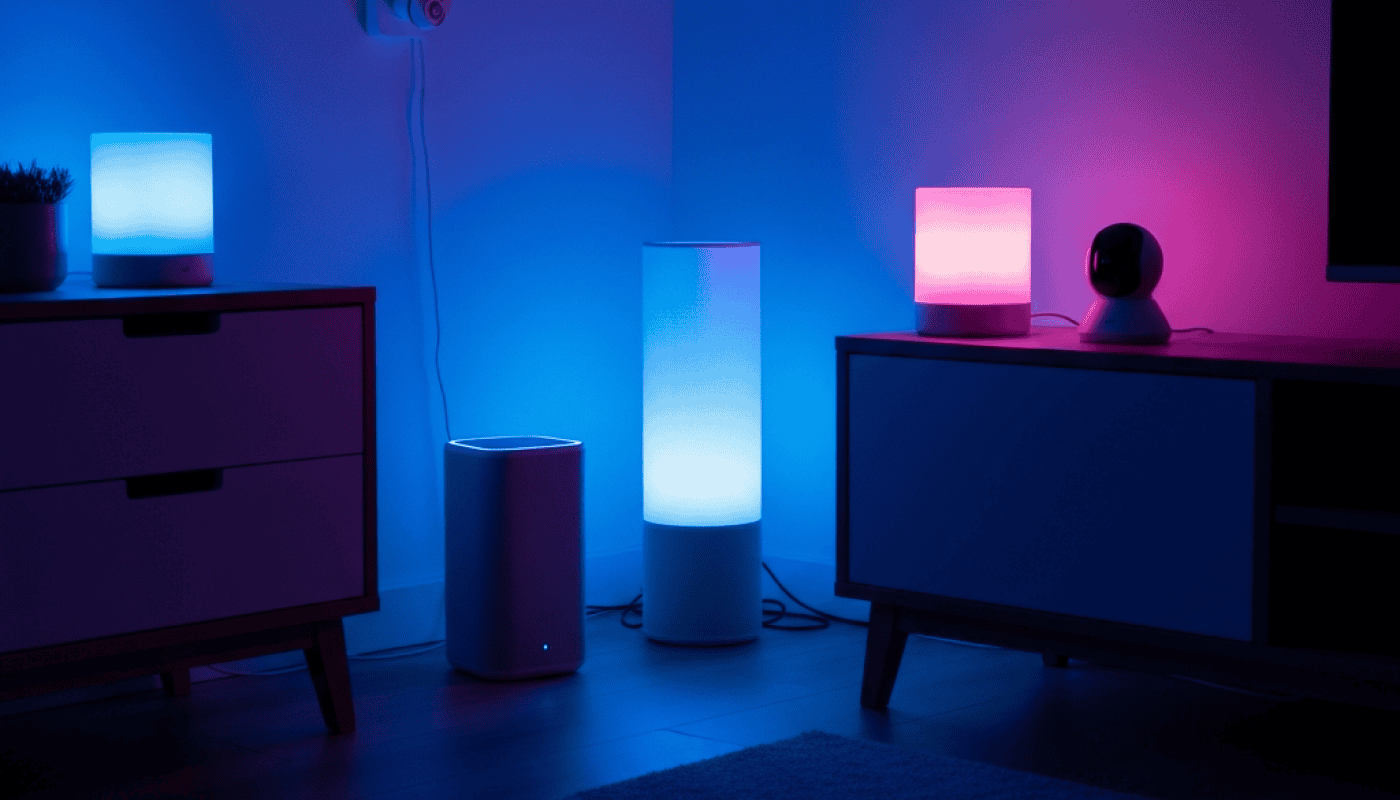
- Smart home devices represent one of the highest-margin dropshipping niches in 2026, with products like smart plugs, security cameras, and automated lighting systems commanding 40–60% markups due to perceived tech value.
- The global consumer electronics market is projected to surpass $1.29 trillion, and smart home products are a primary growth driver — making this the ideal time to enter the niche.
- Winning product categories include smart lighting, climate control devices, security systems, and voice-controlled accessories, each offering strong repeat-purchase potential.
- Successful smart home dropshippers automate fulfillment, carefully vet supplier compatibility claims, and build trust through detailed product education content.
- Starting requires no inventory investment — platforms like Dropified let you import connected devices from vetted suppliers and fulfill orders with a single click.
Why Smart Home Dropshipping Is Exploding in 2026
The smart home market is no longer a novelty — it is a household expectation. By 2026, over 60% of U.S. households own at least one connected device, and that adoption curve is accelerating globally. For dropshippers, this creates a massive opportunity to sell high-perceived-value products without holding inventory.
What makes this niche particularly attractive is the margin structure. Unlike commodity products like phone cases or generic accessories, smart home devices carry built-in brand perception that supports higher price points. A Wi-Fi smart plug that costs $4–$7 from a supplier routinely sells for $18–$29 at retail. That is a margin most dropshipping niches simply cannot match.
The global consumer electronics market reached $1.29 trillion in 2025, with e-commerce sales exceeding $800 billion. Smart home products sit at the intersection of two powerful forces: rising IoT adoption and consumer willingness to pay premium prices for convenience.
If you are looking for how to make money online through a dropshipping business, smart home products offer one of the clearest paths in 2026.
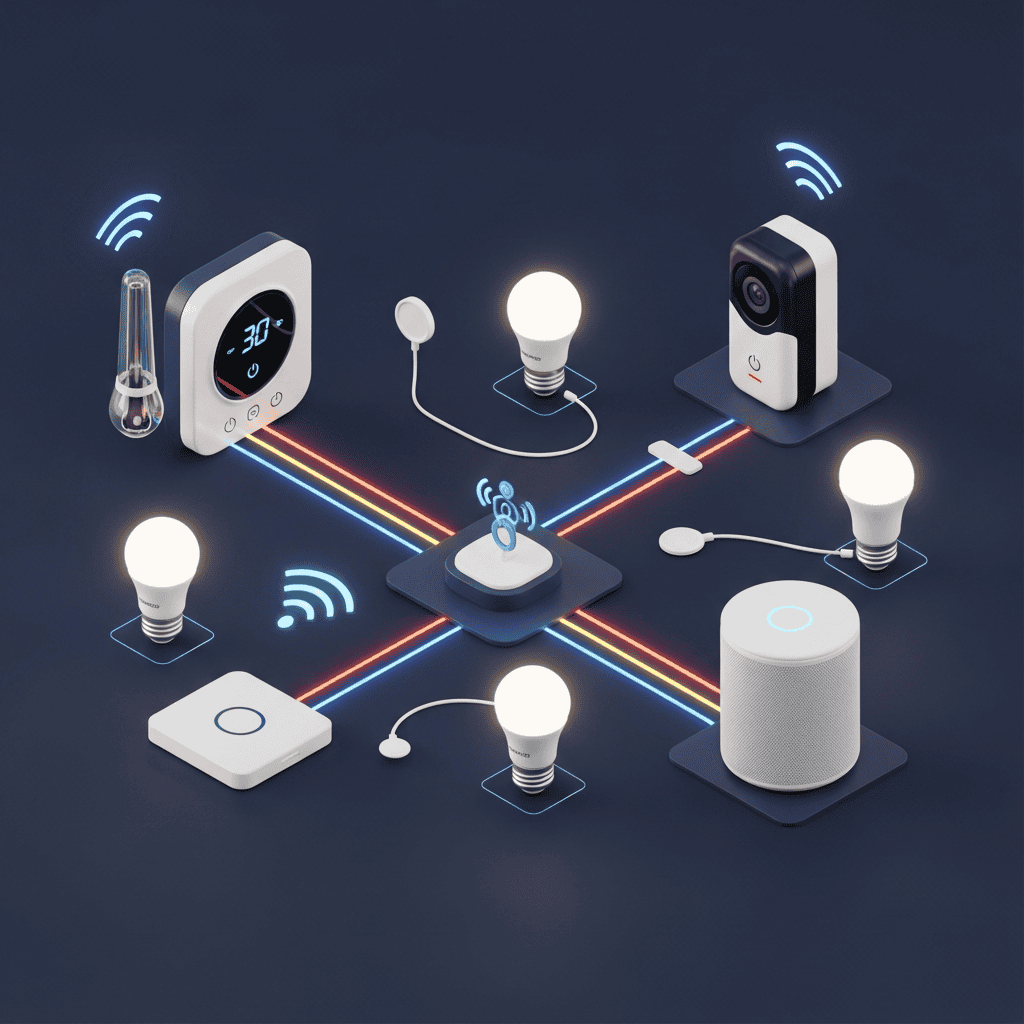
The Most Profitable Smart Home Product Categories to Dropship
Not every connected device is worth selling. The best smart home dropshipping guide prioritizes products with strong demand signals, manageable return rates, and healthy margins. Here are the categories performing best right now.
Smart Lighting Systems
Smart LED bulbs, light strips, and dimmer switches remain the gateway product for smart home buyers. They are affordable, easy to install, and visually shareable on social media — making them ideal for ad-driven stores.
- Average supplier cost: $3–$8
- Retail price range: $15–$35
- Return rate: Low (under 5%)
Security and Surveillance Devices
Smart cameras, video doorbells, and motion sensors tap into a universal need: safety. These products command premium prices and generate strong emotional purchase urgency.
- Average supplier cost: $12–$25
- Retail price range: $45–$89
- Return rate: Moderate (7–10%, often due to connectivity confusion)
Climate Control Accessories
Smart thermostats, portable air quality monitors, and humidity sensors appeal to eco-conscious and health-focused consumers. This subcategory is growing fast as energy costs rise globally.
Voice-Controlled Smart Plugs and Switches
These are the bread-and-butter products of smart home dropshipping. Smart plugs compatible with Alexa and Google Home are impulse purchases with near-universal appeal.
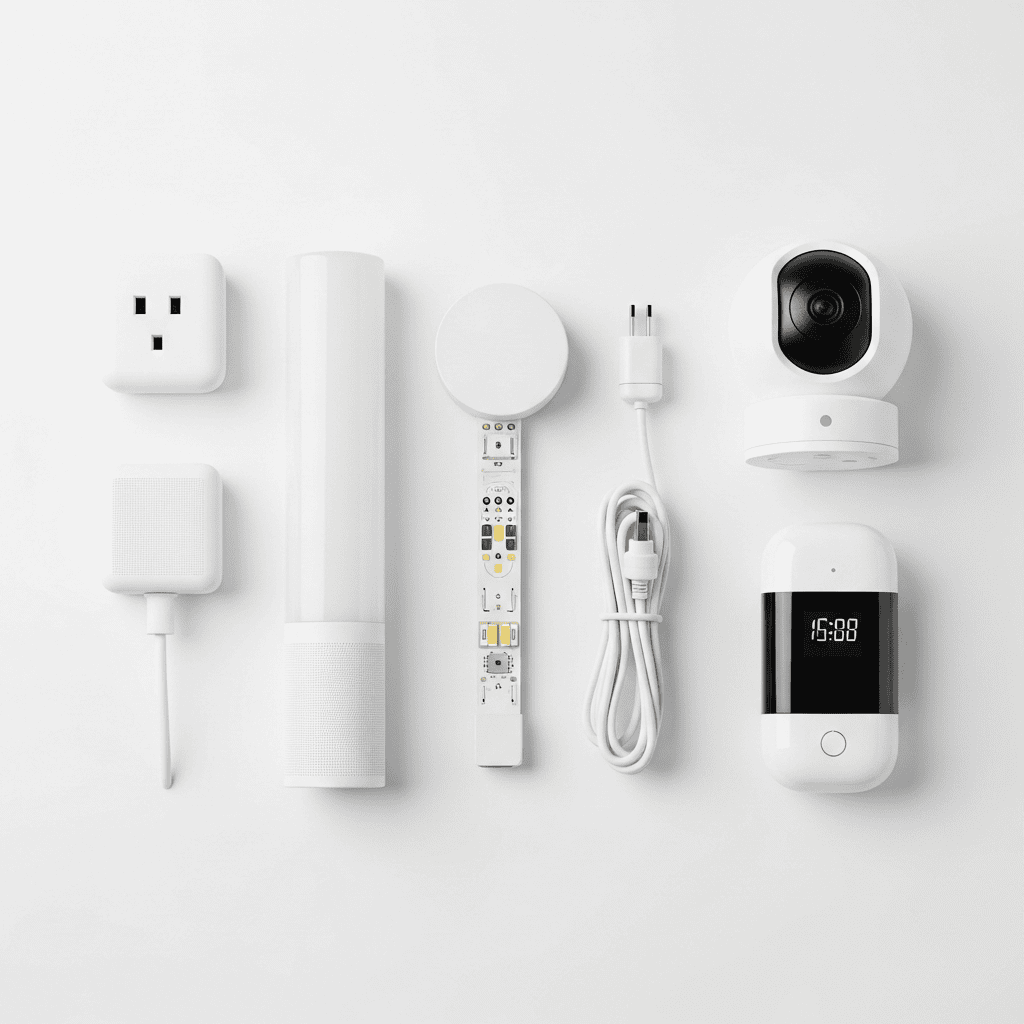
💡 Dropified Insight: Dropified's one-click product import lets you add trending smart home devices from AliExpress and other suppliers directly to your Shopify store in seconds — no manual listing required. Use Dropified's product research tools to identify which connected devices have rising order volumes before your competitors spot them, and leverage automated order fulfillment to ship directly to customers without touching inventory.
How to Build a Smart Home Dropshipping Store That Converts
Setting up a store is straightforward. Making it profitable requires strategy. Here is the framework that separates six-figure smart home stores from abandoned Shopify trials.
Step 1: Choose a Sub-Niche, Not the Entire Category
Selling “all smart home products” dilutes your brand authority. Instead, specialize. A store focused exclusively on smart lighting or home security devices builds trust faster and ranks better in search engines.
Step 2: Vet Suppliers for Compatibility and Reliability
This is where most beginners fail. Smart home products span various subcategories with unique compatibility considerations, and not every supplier accurately represents their products' ecosystem compatibility. Always order samples and verify that devices work with Alexa, Google Home, or Apple HomeKit as advertised.
Step 3: Create Education-First Product Pages
Smart home buyers have questions. Your product pages need to answer them before the customer even thinks to ask. Include compatibility tables, setup guides, and comparison charts. This reduces returns and builds authority.
Step 4: Automate Everything Possible
Manual order processing kills profitability at scale. Use Dropified's automated fulfillment pipeline to process orders automatically, sync tracking numbers, and keep customers informed without manual intervention.
Pricing Strategy: Protecting Your Margins on Connected Devices
Smart home products carry higher perceived value than most dropshipping categories, but margin erosion is a real risk if you ignore shipping costs and return logistics.
The Hidden Cost Problem
Connected devices are often heavier and bulkier than typical dropshipping products. A smart security camera with mounting hardware weighs significantly more than a phone case. That weight difference directly impacts your shipping costs — and your margins.
Use Dropified's shipping cost calculation resources to model true landed costs before listing any product. Sellers who skip this step routinely discover they are losing $3–$5 per order on shipping alone.
The Margin Protection Framework
Here is a pricing structure that consistently works for smart home dropshippers:
- Calculate true landed cost (product + shipping + platform fees)
- Apply a minimum 3x markup on products under $10 supplier cost
- Apply a 2.2–2.5x markup on products over $20 supplier cost
- Set up variance alerts to catch supplier price changes before they erode margins — shipping cost variance monitoring is essential for tech products with fluctuating logistics costs
Common Mistakes That Kill Smart Home Dropshipping Stores
Understanding what not to do is just as valuable as knowing the right moves. These are the errors that tank smart home stores within the first 90 days.
Ignoring Compatibility Claims
Listing a device as “Works with Alexa” when it does not will generate chargebacks, negative reviews, and potential platform suspension. Verify every claim with a physical sample.
Neglecting Post-Purchase Support
Smart home products require more customer support than commodity items. Buyers need help with setup, connectivity troubleshooting, and integration questions. Build a FAQ section and consider offering video setup guides.
Chasing Every New Product
The tech dropshipping advice from Minea recommends updating product listings every 4–6 weeks — but that does not mean adding every trending gadget. Test methodically: add one or two new products at a time, measure performance for 14 days, then decide.
Ignoring Return Logistics
Smart home products have higher return rates than simple accessories. Build return costs into your pricing model from day one. A 7–10% return rate on security devices is normal, not a crisis — but only if your margins already account for it.

2026 Trends Shaping the Smart Home Dropshipping Landscape
Staying ahead of trends is what separates profitable stores from struggling ones. Here is what is driving smart home purchases this year.
Matter Protocol Adoption — The universal smart home standard called Matter is now supported by most major manufacturers. Products advertising Matter compatibility command 15–20% higher prices because buyers know they will work across ecosystems.
AI-Powered Home Devices — Smart devices with on-device AI processing (not just cloud-based) are the fastest-growing subcategory. Think cameras with person detection, thermostats that learn schedules, and lights that adjust based on time and activity.
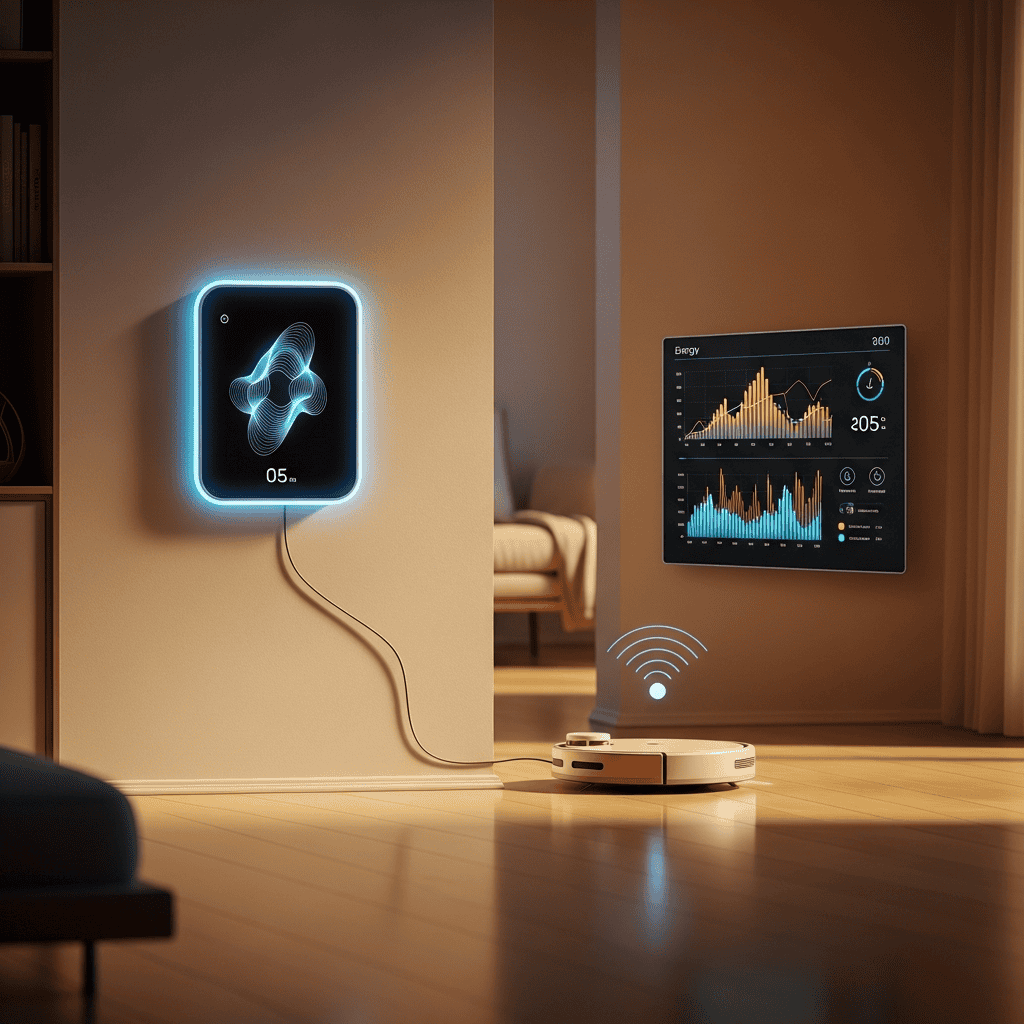
Energy Monitoring Products — With utility costs rising across North America and Europe, smart energy monitors and power-tracking plugs are seeing explosive demand. This is an underserved subcategory with low competition.
Subscription-Free Security — Consumers are increasingly rejecting monthly fees. Security cameras and doorbells with local storage (no cloud subscription required) are outselling subscription-based competitors by a growing margin.
These trends create clear product selection opportunities. If you are exploring whether AliExpress dropshipping is still viable, the answer is yes — especially for smart home devices where AliExpress suppliers are often first-to-market with new product categories.
Marketing Smart Home Products for Maximum ROI
Smart home products sell best through education-driven marketing, not hard discounts. Here is where to focus your marketing spend.
Video Content That Demonstrates Value
Short-form video showing a smart device in action converts at 3–5x the rate of static images. Show the product being unboxed, installed, and controlled via smartphone. Platforms like TikTok and Instagram Reels are ideal for this format.
Seasonal Flash Sales
Smart home products see demand spikes during Black Friday, holiday gifting season, and back-to-school. Planning flash sale campaigns around these windows can generate 40–60% of your annual revenue in concentrated bursts.
Custom Tracking for Retargeting
Every smart home buyer who does not complete checkout is a high-value retargeting prospect. Set up custom tracking URLs to build precise audience segments and run retargeting ads that bring abandoners back.
Start Your Smart Home Dropshipping Business Today
Smart home dropshipping in 2026 offers a rare combination: high margins, growing demand, and a product category that rewards expertise over price wars. The sellers who win are those who pick a focused sub-niche, vet their suppliers thoroughly, automate fulfillment, and educate their customers.
Your next steps:
- Choose one smart home subcategory (lighting, security, or energy monitoring)
- Sign up for a free Dropified trial to import your first products
- Order samples from your top three suppliers
- Build education-focused product pages with compatibility details
- Launch with 5–10 products and test for 14 days before expanding
The smart home market is not slowing down. The only question is whether you will capture your share of it.
✨ Want an AI Summary of this article?