
Finding winning dropshipping products in 2026 requires a data-driven approach focused on market demand, profit margins, and supplier reliability. The most successful dropshippers identify products with strong search trends, low shipping costs, competitive pricing gaps, and proven social proof through engagement metrics. Categories like tech accessories, pet supplies, wellness products, and creator tools dominate current markets, with successful products typically offering 40-60% profit margins and solving specific customer pain points. Modern product research combines automated tools, competitor analysis, social media trend monitoring, and direct market validation before committing to inventory partnerships.
What Makes a Dropshipping Product “Winning” in 2026?
The definition of winning dropshipping products has evolved significantly. A winning product isn't just something that sells—it's a strategic asset that generates consistent revenue with predictable profit margins.
In 2026, winning products share four critical characteristics:
- Strong demand validation: Minimum 10,000+ monthly searches or viral social engagement
- Healthy profit margins: Products that allow 40-60% markup after all costs
- Lightweight shipping profile: Items under 2 lbs that ship cost-effectively
- Low competition saturation: Products not dominated by Amazon or major retailers
According to recent market data, categories like pet products, baby items, home decor, eco-friendly goods, fitness gear, and tech accessories consistently outperform because they appeal to large target audiences and support competitive pricing structures. Meta glasses for content creators, for example, are currently selling above $89.99 while sourcing at $51.99, creating a $38 profit per unit when marketed specifically to travelers and vloggers.
💡 Dropified Insight: Dropified's product research tools automatically track search volume trends, competitor pricing, and supplier availability across multiple marketplaces simultaneously. Our one-click import feature lets you test products in your store within minutes, while automated price monitoring ensures your margins stay protected as supplier costs fluctuate—giving you a crucial speed advantage in capturing trending products before market saturation.
The 2026 Product Research Framework
Finding winning products requires a systematic approach that eliminates guesswork. The most successful dropshippers in 2026 follow a five-stage validation framework before adding any product to their stores.
Stage 1: Trend Identification
Start by monitoring where consumer attention flows. Social media platforms like TikTok, Instagram Reels, and YouTube Shorts reveal emerging product trends weeks before they hit mainstream markets. Look for videos with 100,000+ views featuring specific products, paying attention to comment sections asking “where can I buy this?”
Key trend indicators include:
- Rapidly increasing search volume (use Google Trends)
- Viral social content with strong engagement rates
- Seasonal patterns that create predictable demand spikes
- Problem-solving products with clear before/after demonstrations
The most profitable products solve specific pain points rather than serving as general merchandise. A phone mount for car dashboards targeted at rideshare drivers performs better than a generic phone holder because it addresses a defined audience with a specific need.

Stage 2: Market Demand Validation
Trend identification reveals possibilities—demand validation confirms profitability. Use multiple data sources to verify that interest translates to purchasing intent.
Search Volume Analysis: Tools like Google Keyword Planner, Ahrefs, or SEMrush show monthly search volumes. Products with 10,000+ monthly searches indicate substantial demand, but look for upward trajectory rather than declining interest.
Marketplace Research: Check Amazon Best Sellers, eBay trending items, and Etsy popular products. If a product ranks consistently in the top 100 of its category, demand is proven. Pay attention to review counts—products with 500+ reviews demonstrate sustained purchasing activity.
Competitor Store Analysis: Identify successful dropshipping stores in your niche using tools like SimilarWeb or by tracking Facebook ad libraries. What products appear repeatedly in their featured collections? What items get the most social engagement?
Stage 3: Profit Margin Calculation
A product that sells well but generates thin margins creates a high-volume, low-profit trap. Calculate your true profit before committing to any product.
Your pricing formula should account for:
- Supplier cost: Your wholesale price from the supplier
- Shipping costs: Domestic and international shipping expenses
- Platform fees: Shopify/WooCommerce transaction fees (typically 2-3%)
- Payment processing: Stripe/PayPal fees (approximately 2.9% + $0.30)
- Marketing costs: Ad spend required to acquire each customer
- Return/refund buffer: 5-10% of revenue to cover returns
For example, if you sell a product at $49.99 with a supplier cost of $18, shipping at $5, and total fees of $4, your gross profit is $22.99. If your customer acquisition cost (CAC) is $15, your net profit per unit is $7.99—a 16% net margin. Successful dropshippers target 20-30% net margins after all expenses.
Learn more about profit optimization in our guide on the most profitable online businesses.
Stage 4: Supplier Evaluation
Your supplier directly impacts customer satisfaction, shipping times, and product quality. A winning product paired with an unreliable supplier creates operational nightmares.
Evaluate suppliers using these criteria:
- Processing time: Orders should ship within 2-3 business days
- Shipping duration: Total delivery time under 14 days for US customers
- Quality consistency: Order samples to verify product quality firsthand
- Communication responsiveness: Suppliers should respond within 24 hours
- Return/refund policies: Clear policies that protect your business reputation
Platforms like AliExpress, CJ Dropshipping, and Spocket provide supplier ratings, but always order samples yourself. The $50-100 spent on samples prevents thousands in lost revenue from poor quality products.
Discover how to identify and vet reliable suppliers in our comprehensive supplier guide.
Stage 5: Test Marketing
Before scaling ad spend, validate market response with small-budget tests. Create a product listing, shoot simple product photos or videos, and run $50-100 in Facebook or TikTok ads targeted at your ideal customer.
Key metrics to track during testing:
- Click-through rate (CTR): 2%+ indicates strong initial interest
- Add-to-cart rate: 5-10% of visitors should add items to cart
- Conversion rate: 1-3% is standard for cold traffic
- Customer feedback: Read all comments and messages for insights
If your test generates 3-5 sales profitably, you've validated a winning product. If results disappoint, analyze the data—was the product wrong, or was the marketing angle ineffective?
Top Product Categories Dominating 2026
Market research from Minea, Tradelle, and AutoDS identifies nine product categories consistently generating strong returns for dropshippers in 2026.
Tech Accessories and Gadgets
Tech accessories remain perpetually profitable because consumers constantly upgrade devices and seek enhanced functionality. The key is specificity—don't sell generic phone cases, sell magnetic car mount phone cases for iPhone 15 Pro Max users.
High-performing subcategories include:
- Wireless charging accessories with fast-charge capabilities
- Cable management systems for work-from-home setups
- Screen protectors with blue light filtering
- Device stands optimized for video calls and content creation
Tech accessories offer lightweight shipping, high perceived value, and margins typically between 50-70%.
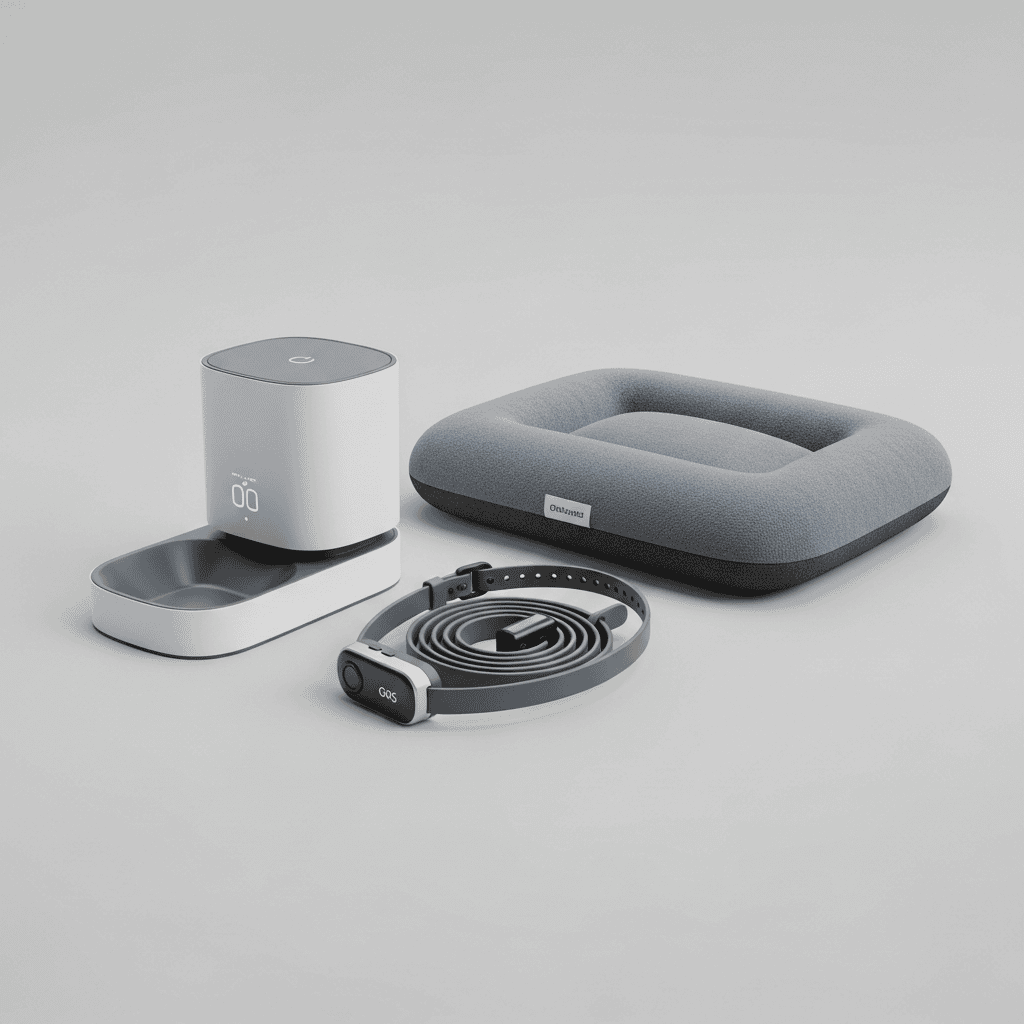
Pet Products
Pet owners consistently spend without hesitation when products improve their pets' quality of life. The pet industry continues expanding, with owners treating pets as family members deserving premium products.
Winning pet products in 2026:
- Automated feeding and watering systems
- GPS tracking collars for outdoor pets
- Orthopedic pet beds for senior animals
- Interactive toys that provide mental stimulation
Pet products benefit from strong emotional purchasing drivers and high customer lifetime value, as satisfied buyers return for additional products.
Health and Wellness Items
Post-pandemic health consciousness remains elevated, creating sustained demand for wellness products. Consumers actively invest in preventive health, fitness optimization, and mental wellbeing.
Top performers include:
- Posture correction devices for remote workers
- Massage tools for muscle recovery and pain relief
- Sleep optimization products (weighted blankets, sleep masks, white noise machines)
- Home fitness accessories (resistance bands, yoga equipment, foam rollers)
Wellness products typically generate strong margins and benefit from influencer marketing partnerships, as demonstrating product benefits through video content drives conversions.
Home Decor and Organization
Home improvement spending surged during remote work transitions and remains strong as people invest in their living spaces. Aesthetic and functional home products generate consistent sales with seasonal variation.
Profitable home decor niches:
- Smart LED lighting systems with app control
- Space-saving furniture and organizers
- Minimalist wall art and decorative pieces
- Indoor gardening kits and planters
Home decor allows for lifestyle marketing—selling the vision of an improved living space rather than just individual products.
Eco-Friendly and Sustainable Products
Environmental consciousness drives purchasing decisions for growing consumer segments, particularly millennials and Gen Z. Sustainable products command premium pricing while building brand loyalty.
High-demand eco products:
- Reusable alternatives to disposable items (straws, bags, food wraps)
- Bamboo and biodegradable household products
- Solar-powered gadgets and chargers
- Zero-waste personal care items
Marketing eco-friendly products requires authentic messaging—consumers research claims and reject greenwashing. Partner with suppliers who provide genuine sustainability certifications.
Explore additional profitable niches in our 2026 niche analysis guide.

Beauty Tools and Cosmetics
Beauty products generate exceptional margins and benefit from strong social proof marketing. Tutorial content demonstrating product application drives conversions, making beauty ideal for content-driven marketing strategies.
Winning beauty subcategories:
- LED facial therapy devices
- Automated makeup applicators
- Hair styling tools with heat protection technology
- Skincare tools (jade rollers, gua sha tools, facial cleansing brushes)
Beauty products thrive on before/after content and influencer partnerships, creating viral potential when products deliver visible results.
Baby Products
Parents prioritize safety, convenience, and developmental benefits when purchasing for children. Baby products command higher prices because parents willingly invest in quality items for their children.
High-converting baby products:
- Safety and monitoring devices (video monitors, safety gates)
- Developmental toys with educational benefits
- Convenience items for parents (diaper bag organizers, bottle warmers)
- Travel accessories for families on the go
Baby products benefit from strong word-of-mouth marketing, as parents actively share product recommendations within their networks.
Fitness Gear and Accessories
Home fitness continues growing despite gym reopenings, as consumers appreciate the convenience and cost savings of home workouts. Fitness products attract health-conscious buyers with higher disposable incomes.
Top fitness products:
- Resistance training equipment (bands, weights, suspension trainers)
- Recovery tools (foam rollers, massage guns, stretching aids)
- Workout accessories (yoga mats, gym bags, water bottles)
- Wearable fitness trackers and heart rate monitors
Fitness products pair well with content marketing—workout guides, exercise demonstrations, and transformation stories drive engagement and conversions.
Creator Tools and Equipment
The creator economy exploded in recent years, and content creators actively purchase tools that improve production quality. This category includes products that help creators produce, edit, and share content more effectively.
Hot creator products in 2026:
- Ring lights and portable lighting setups
- Smartphone gimbals and stabilizers
- Microphones optimized for mobile recording
- Green screens and backdrop systems
As noted in recent market analysis, meta glasses designed for creators are selling above $89.99 while sourcing at $51.99, creating strong per-unit profits when marketed specifically to vloggers, travelers, and content creators rather than general consumers.
Discover specific strategies for gaming and tech niches in our gaming accessories guide.
Advanced Product Research Tools and Techniques
Manual research provides foundational insights, but scaling requires automation. The most successful dropshippers leverage specialized tools that monitor markets continuously and alert them to emerging opportunities.
Social Media Monitoring
TikTok Creative Center, Facebook Ad Library, and Instagram Explore reveal real-time trend emergence. Set aside 30 minutes daily to browse trending content in your niche categories, noting products that appear repeatedly.
Look for engagement patterns—products with high save rates, shares, and positive comments indicate strong purchasing intent. Comments asking “where to buy?” signal unmet demand you can capture.
Competitor Intelligence
Identify successful stores in your niche and monitor their product additions, pricing changes, and marketing angles. Tools like Commerce Inspector (Chrome extension) reveal which Shopify apps competitors use, providing insights into their operational strategies.
Track competitor social media ads using Facebook Ad Library—what products do they advertise most heavily? Heavy ad spend indicates profitable products worth investigating.
Automated Product Databases
Services like AutoDS, SaleHoo, and Dropified's product research database curate trending products based on sales data, search volume, and social engagement. These platforms save hundreds of research hours by surfacing validated products algorithmically.
Learn systematic approaches to product discovery in our data-driven product finding guide.

Google Trends Analysis
Google Trends reveals whether interest in a product category is growing, stable, or declining. Compare multiple related keywords to identify which specific product variations generate the most interest.
Look for seasonal patterns that create predictable sales spikes—products with strong seasonal demand (summer beach accessories, winter wellness products) allow you to prepare inventory partnerships months in advance.
Marketplace Best Seller Lists
Amazon Best Sellers, eBay trending products, and Etsy popular items provide real-time demand signals. Focus on categories where you can compete—avoid highly commoditized categories dominated by major brands with massive ad budgets.
Look for products with 100-500 reviews rather than 5,000+ reviews. The sweet spot indicates proven demand without overwhelming competition.
Common Product Selection Mistakes to Avoid
Even experienced dropshippers make product selection errors that waste time and capital. Avoid these common pitfalls:
Mistake 1: Chasing saturated trends too late. By the time a product goes viral on mainstream media, market saturation has already begun. Focus on emerging trends before everyone else discovers them.
Mistake 2: Ignoring shipping times. Long shipping durations (20+ days) generate customer complaints and refund requests. Partner with suppliers offering 14-day maximum delivery times to US customers.
Mistake 3: Selecting products without markup potential. Products under $15 retail price rarely generate sufficient profit after marketing costs. Target products you can sell for $30-100 with healthy margins.
Mistake 4: Forgetting about product photography. Low-quality product images kill conversions. Either order samples for professional photography or partner with suppliers providing high-quality image libraries.
Mistake 5: Overlooking customer support implications. Complex products requiring assembly or technical support create support burdens. Unless you're prepared to provide detailed guidance, choose straightforward products customers can use immediately.
Mistake 6: Failing to test products personally. Never sell products you haven't seen and evaluated. Order samples of every product you consider—the $50 investment prevents reputation damage from poor quality items.
How to Validate Products Before Full Launch
Validation separates profitable products from expensive mistakes. Before investing heavily in inventory relationships or advertising, validate demand through low-risk testing methods.
Pre-Launch Validation Steps:
- Create a basic product page: Use supplier photos to build a simple listing
- Run micro-budget ads: Spend $50-100 on Facebook or TikTok ads targeting your ideal customer
- Monitor engagement metrics: Track CTR, add-to-cart rate, and actual purchases
- Analyze customer questions: What do potential buyers ask about? Their questions reveal concerns to address in your marketing
- Calculate actual CAC: Determine your real customer acquisition cost with this small sample
Products that generate 3-5 sales from $50-100 ad spend demonstrate winning potential. Products that generate high engagement but no sales may require marketing angle adjustments rather than product replacement.
Quick Validation Benchmarks:
- CTR above 2%: Strong initial interest
- Add-to-cart rate 5-10%: Product resonates with audience
- Conversion rate 1-3%: Acceptable for cold traffic
- Positive ad comments: Social proof is building
If metrics fall below these benchmarks, analyze why—is the product wrong, the target audience misaligned, or the marketing message ineffective?
Scaling Winning Products Strategically
Once you identify a winning product, strategic scaling maximizes revenue while maintaining profitability. Scaling too aggressively burns capital, while scaling too cautiously leaves money on the table.
Phase 1: Initial Scale (3-5 Sales Daily)
Increase ad spend by 20% every 2-3 days while maintaining target ROAS (Return on Ad Spend). Monitor key metrics daily—if profitability holds, continue gradual increases.
Phase 2: Growth Scale (10-20 Sales Daily)
Expand to additional ad platforms and audiences. If Facebook ads are working, test Google Shopping and TikTok ads. Create lookalike audiences based on your customer data to find similar high-value prospects.
Phase 3: Mature Scale (30+ Sales Daily)
At this stage, consider:
- Negotiating better supplier pricing based on volume
- Creating exclusive product variations or bundles
- Building email marketing sequences to increase customer lifetime value
- Expanding to complementary products that serve the same audience
Scaling requires close attention to supplier capacity—can your supplier handle increased order volume without quality degradation or shipping delays? Communicate volume projections to suppliers before major scaling pushes.
Start Finding Your Winning Products Today
Finding winning dropshipping products in 2026 combines systematic research, data validation, and strategic testing. The most successful dropshippers don't rely on luck—they follow proven frameworks that identify demand, validate profitability, and scale methodically.
Start by selecting 2-3 product categories that align with current market trends and your interests. Use the five-stage validation framework to evaluate specific products within those categories. Test your top candidates with small ad budgets before committing to full-scale launches.
Remember that product research is continuous—markets evolve, trends emerge, and consumer preferences shift. Dedicate time weekly to monitoring trends, analyzing competitors, and testing new products to maintain your competitive advantage.
Ready to accelerate your product research and start importing winning products to your store? Start your free Dropified trial today and access our automated product research tools, one-click import functionality, and real-time supplier monitoring. Join thousands of successful dropshippers who use Dropified to discover, test, and scale winning products faster than the competition.
Start your free Dropified trial and discover your first winning product this week.
✨ Want an AI Summary of this article?