
- Q4 (October–December) dominates dropshipping revenue, with Black Friday, Halloween, and Christmas driving the highest consumer spending of the year — plan product launches 4–6 weeks before each peak.
- Q1 and Q2 hold untapped profit windows in New Year's resolutions, Valentine's Day, Easter, and Mother's Day when competition is significantly lower than Q4.
- A seasonal dropshipping calendar eliminates guesswork by mapping every major shopping event to specific product categories, giving you time to source, list, and market before demand spikes.
- Evergreen-seasonal hybrids — products like projection necklaces or scented candles that sell year-round but spike during holidays — deliver the most consistent annual revenue.
- Listing products 30–45 days before a seasonal event is the minimum lead time needed for ad optimization, supplier vetting, and review collection.
Why Every Dropshipper Needs a Seasonal Calendar in 2026
Timing is the single biggest lever in dropshipping profitability. List a product two weeks late and you're competing against sellers who already have reviews, optimized ads, and momentum. List it six weeks early and you capture demand while CPMs are still low.
A seasonal dropshipping calendar transforms reactive selling into strategic product launches. Instead of scrambling to find trending items after they've already peaked, you operate on a predictable schedule — sourcing in advance, testing creatives early, and scaling spend precisely when buyer intent surges.
According to ProductsDesigner's 2026 e-commerce sales calendar, brands that align promotions with seasonal milestones consistently outperform those running generic campaigns. The data is clear: seasonality isn't optional — it's the operating system of e-commerce.
💡 Dropified Insight: Dropified's one-click product import lets you add seasonal items from AliExpress and other suppliers in seconds, so you can build an entire seasonal collection weeks before demand hits. Pair this with Dropified's automated order fulfillment to handle volume spikes without manual processing. This means you can connect your existing products to Dropified and layer seasonal items on top of your evergreen catalog with zero disruption.

Q1: January – March (Resolution Season & Early Spring)
January: New Year, New Buyers
January buyers are motivated by self-improvement. Fitness gear, meal prep containers, planners, and organizational storage bins see massive spikes. The key insight most competitors miss: January's ad costs drop 30–40% compared to December, making it one of the cheapest months to acquire customers.
Top product categories: – Home gym accessories and resistance bands – Desk organizers and productivity tools – Skincare and wellness devices – Reusable water bottles and meal prep sets
February: Valentine's Day (Launch by January 15)
Valentine's Day is the second-largest gift-giving holiday after Christmas. Tradelle's 2026 viral product research shows that projection necklaces and personalized jewelry spike sharply around this holiday while maintaining year-round baseline demand — the ideal evergreen-seasonal hybrid.
Top product categories: – Personalized jewelry and photo projection necklaces – Couple's matching accessories – Self-care gift sets – LED rose arrangements and preserved flowers
March: Spring Cleaning & St. Patrick's Day
March bridges winter and spring. Shoppers pivot to home improvement, outdoor prep, and novelty items for St. Patrick's Day. This is also when calculating true shipping costs for bulky products becomes critical — garden items and storage solutions often carry higher dimensional weight.
Q2: April – June (Gift-Giving & Outdoor Living)
April: Easter & Earth Day
Easter spending in the U.S. consistently exceeds $20 billion annually. Flash sales, countdown deals, and Easter-themed bundles perform well throughout the month. ProductsDesigner recommends prioritizing high-margin bundles and retargeting cart abandoners with seasonal discounts.
Top product categories: – Easter décor and egg decorating kits – Eco-friendly bamboo and reusable products (Earth Day tie-in) – Spring garden tools and planters – Pastel-themed home accessories
May: Mother's Day & Memorial Day
Mother's Day is a $35+ billion spending event in the U.S. Memorial Day kicks off summer shopping. Start promoting Mother's Day gifts by mid-April at the latest.
June: Father's Day & Summer Launch
Father's Day drives demand for tech gadgets, grilling accessories, and outdoor gear. June is also when you should begin sourcing and listing summer products — beach accessories, travel organizers, and portable fans.
Understanding how many products your e-commerce site should carry is especially important in Q2 when you're juggling multiple seasonal events simultaneously. A focused catalog of 15–25 seasonal items per event outperforms a bloated store every time.

Q3: July – September (Back-to-School & Fall Prep)
July: Summer Peak & Independence Day
July 4th drives impulse purchases in outdoor entertaining, patriotic décor, and party supplies. This is also peak season for travel accessories and portable electronics.
August: Back-to-School Gold Rush
Back-to-school spending routinely exceeds $80 billion in the U.S. — and it's not just parents buying notebooks. College dorm décor, laptop accessories, desk lamps, and personal care kits for teens all surge.
The information gain here: Most dropshipping calendars ignore the “back-to-office” micro-trend that runs parallel to back-to-school every August and September. Remote workers refreshing their home office setups represent an underserved segment — ergonomic accessories, monitor stands, and desk plants consistently trend upward in Q3 search data.
September: Fall Transition & Labor Day
September is your staging month for Q4. Smart dropshippers use September to test product pages, import reviews from AliExpress for new seasonal products, and lock in supplier agreements before the holiday rush creates fulfillment bottlenecks.

Q4: October – December (The Revenue Engine)
Q4 generates more dropshipping revenue than Q1–Q3 combined for many stores. FFOrder's 2026 product analysis and NextSky's seasonal breakdown both confirm that Q4 is when consumers are most willing to spend — and most forgiving of premium pricing.
October: Halloween (Launch by September 1)
Halloween spending has grown every year for the past decade. FFOrder highlights that LED pumpkin string lights, pet skeleton costumes, and inflatable outdoor decorations are among the top performers. But everyday fall items — plaid fleece throws, autumn wreaths, fall-scented candle sets — sell throughout the entire month without the hard October 31 deadline.
Top October products: – LED string lights and inflatable decorations – Costume accessories and pet costumes – Autumn home décor (wreaths, throw blankets) – Fall-scented candle gift sets
November: Black Friday & Cyber Monday
AutoDS research confirms that November is when “things really take off” — Black Friday energy, holiday prep, and gift hunting all overlap. Christmas advent calendars emerged as a clear seasonal winner, with interactive and surprise-element products performing best.
Set up shipping cost variance alerts before November. Carrier surcharges during peak season can silently erode margins on every order if you're not monitoring them.
December: Christmas & Year-End Gifting
December is execution month, not discovery month. If a product isn't already listed and optimized by December 1, you've likely missed the window. Focus on:
- Scaling winners from November ad data
- Offering gift bundles and expedited shipping options
- Retargeting abandoned carts from Black Friday
- Preparing January clearance sales for overstock

The 30-Day Launch Framework: A Proprietary Approach
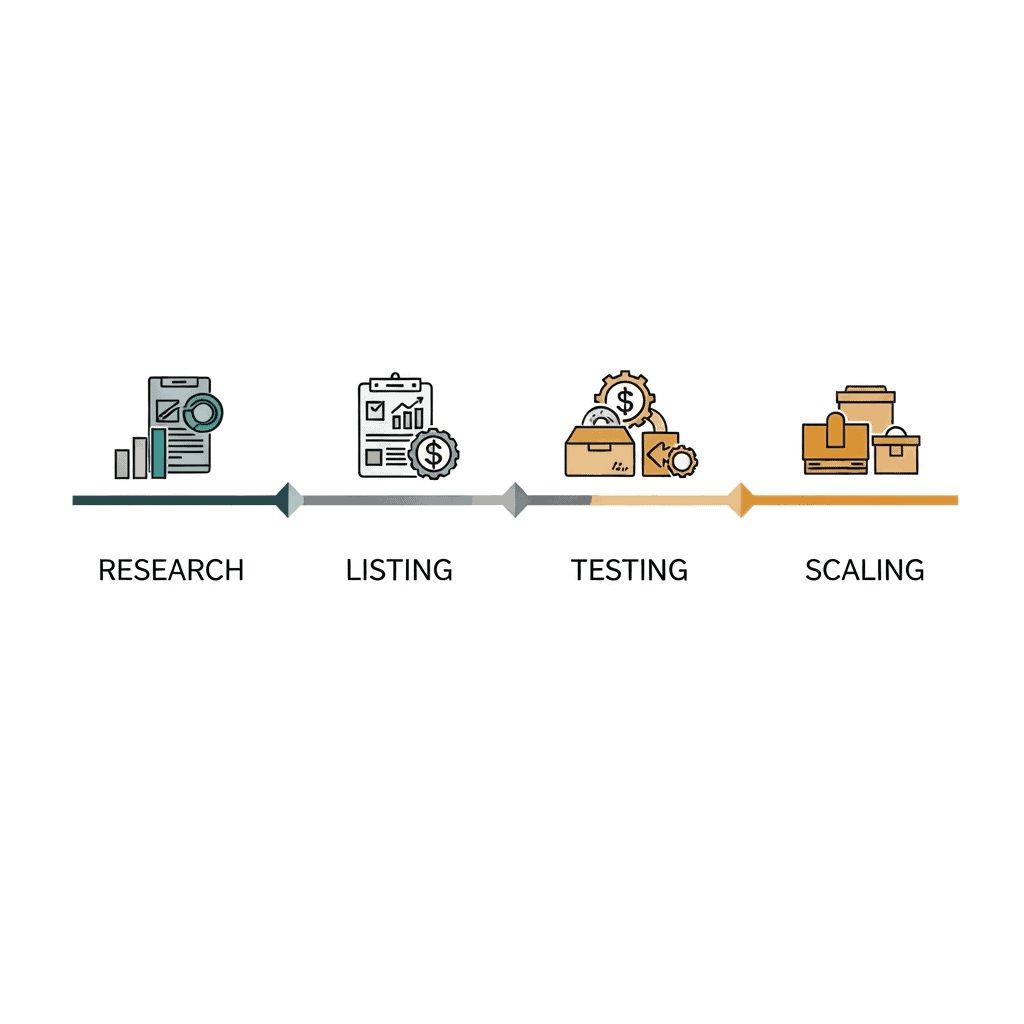
Most seasonal guides simply list holidays. Here's a framework that actually drives revenue — the 30-Day Seasonal Launch Cycle you can apply to every event on your calendar:
- Day 1–7 (Research & Source): Identify 10–15 candidate products. Vet suppliers for shipping speed and reliability. Use Dropified's product import tools to add items instantly.
- Day 8–14 (List & Optimize): Write product descriptions, import existing reviews for social proof, and set competitive pricing.
- Day 15–21 (Test & Iterate): Launch small-budget ad sets across 3–4 creatives. Kill underperformers within 48 hours.
- Day 22–30 (Scale Winners): Increase spend on profitable products by 20–30% every 2 days. Monitor margins daily with Dropified's order tracking dashboard.
This cycle repeats for every seasonal event — giving you a systematic, repeatable engine rather than a chaotic scramble.
Applying these 11 essential dropshipping tips alongside this framework will sharpen your execution at every stage.
Key Takeaways and Your Next Step
A seasonal dropshipping calendar is not a nice-to-have — it's the foundation of a profitable, predictable dropshipping business in 2026. The sellers who win are not smarter or luckier. They simply plan earlier, launch faster, and scale what works.
Here's what to do right now:
- Map every major holiday and shopping event onto your calendar for the next 90 days.
- Identify 10–15 products per event using supplier databases and trend tools.
- Apply the 30-Day Launch Framework starting with the very next seasonal window.
- Use Dropified to import products, automate fulfillment, and track margins — so you spend time on strategy, not logistics.
Start your free Dropified trial today and build your first seasonal product collection in minutes. The next peak shopping window is closer than you think — and your competitors are already sourcing.
✨ Want an AI Summary of this article?