
- Dropshipping eco-friendly products combines sustainable consumer demand with low-overhead e-commerce, targeting the $150+ billion global green product market expected to reach $300 billion by 2027.
- Successful eco-dropshipping requires verified supplier partnerships that provide biodegradable materials, plastic-free packaging, and carbon-neutral shipping options—not just greenwashed marketing claims.
- Top-performing categories include reusable household items, biodegradable packaging, sustainable fashion accessories, and zero-waste personal care products with profit margins ranging from 25-45%.
- Transparency is critical: 73% of consumers in 2026 verify sustainability claims before purchasing, demanding certifications like FSC, GOTS, or B Corp verification from dropshipping stores.
Why Eco-Friendly Dropshipping Is Booming in 2026
The sustainable products market isn't just growing—it's exploding. Consumer behavior has fundamentally shifted. According to recent market analysis, over 78% of online shoppers actively seek eco-friendly alternatives, and they're willing to pay 15-30% more for verified sustainable products.
This creates a perfect opportunity for dropshippers. You can tap into passionate, loyal customers without manufacturing products or managing inventory. The challenge? Avoiding greenwashing and finding legitimate suppliers who deliver on sustainability promises.
💡 Dropified Insight: Dropified's advanced supplier filtering tools let you tag and organize eco-certified vendors separately from standard suppliers, ensuring every product in your store meets your sustainability standards. Use automated product research features to identify trending eco-friendly items with verified supplier ratings, saving hours of manual vetting while maintaining your brand's green integrity.
The eco-conscious consumer expects more than surface-level “green” marketing. They research certifications, read reviews, and abandon carts when sustainability claims seem hollow. Your dropshipping strategy must prioritize authenticity over convenience.
Finding Legitimate Eco-Friendly Dropshipping Suppliers
Not all “eco-friendly” suppliers are created equal. Many manufacturers slap green labels on conventional products without meaningful environmental improvements. Your vetting process determines your brand's credibility.
Start with these verified supplier platforms:
- Jungle Culture specializes in bamboo and sustainable alternatives with transparent sourcing practices
- Syncee offers a curated marketplace featuring decomposable bags, handmade items, and verified eco-products
- MH-USA Direct through Canal provides domestically-sourced sustainable goods with faster shipping times
- Something Different Connect focuses on ethically-sourced workplace products with employee welfare certifications
Essential Supplier Verification Checklist
Before partnering with any eco-friendly dropshipping supplier, confirm:
- Material certifications: FSC (Forest Stewardship Council), GOTS (Global Organic Textile Standard), or Cradle to Cradle certification
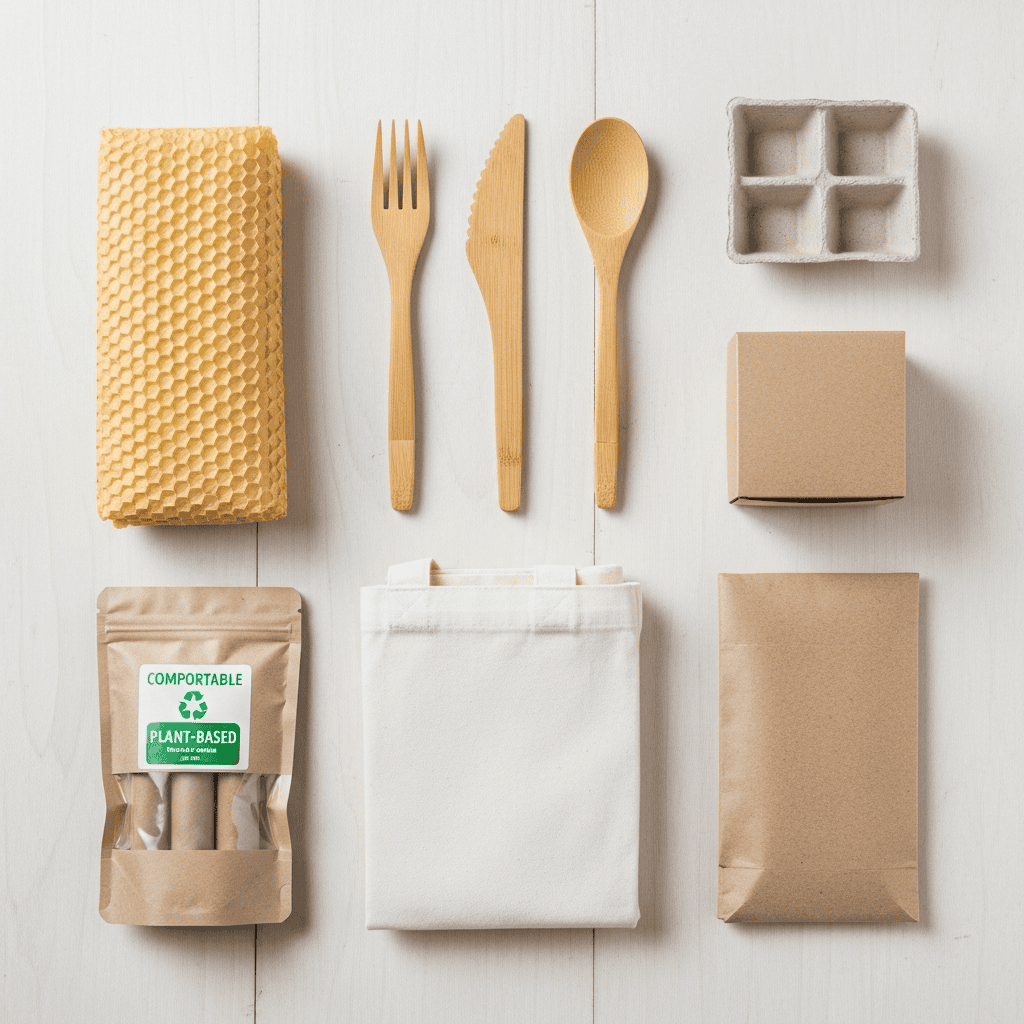
- Packaging practices: Plastic-free, compostable, or recycled materials with minimal waste
- Manufacturing transparency: Factory locations, labor practices, and energy sources documented
- Shipping methods: Carbon-neutral options, consolidated shipments, or local fulfillment centers
- Return/disposal policies: Product end-of-life solutions that don't end in landfills
According to Syncee's eco-friendly dropshipping guide, suppliers who provide detailed sustainability reports convert 40% better than those with vague green claims.
Top Product Categories That Drive Eco-Friendly Sales
Not every sustainable product succeeds in dropshipping. Focus on items with proven demand, reasonable shipping costs, and clear environmental benefits customers immediately understand.
1. Reusable Household Essentials
What sells: Beeswax food wraps, silicone storage bags, stainless steel straws, bamboo kitchen utensils, reusable cleaning cloths.
Why they work: Single-use plastic alternatives have obvious environmental impact. Customers see immediate value and feel good about repeat usage. Profit margins typically range 30-40%.
2. Biodegradable Personal Care Products
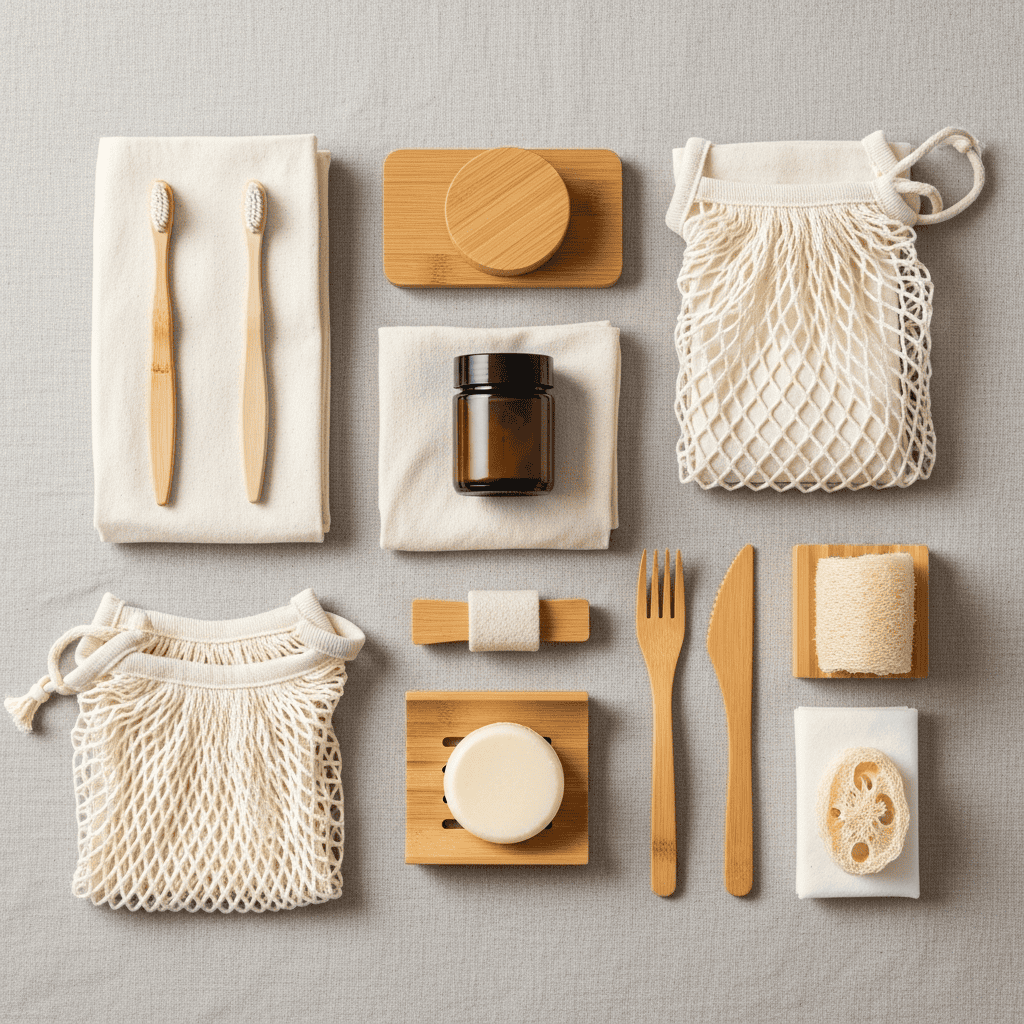
What sells: Bamboo toothbrushes, solid shampoo bars, compostable dental floss, plastic-free deodorant containers, organic cotton rounds.
Why they work: Daily-use items create natural repeat purchase opportunities. Low shipping weight keeps costs down. These products often generate subscription-based revenue streams.
3. Sustainable Fashion Accessories
What sells: Organic cotton tote bags, recycled polyester backpacks, cork wallets, hemp phone cases, vegan leather alternatives.
Why they work: Fashion-conscious buyers seek ethical alternatives to fast fashion accessories. Higher average order values (AOV) improve profitability. Trending dropshipping niches in 2026 show sustainable fashion growing 45% year-over-year.

4. Zero-Waste Office and Work-From-Home Products
What sells: Recycled paper notebooks, bamboo desk organizers, plant-based phone stands, biodegradable pens, solar-powered desk accessories.
Why they work: Remote work trends continue through 2026, creating sustained demand for home office upgrades. Corporate buyers purchase in bulk for employee gifts, increasing order values.
5. Eco-Friendly Pet Products
What sells: Biodegradable poop bags, hemp pet toys, bamboo feeding bowls, organic pet beds, natural grooming supplies.
Why they work: Pet owners treat animals as family members and increasingly seek sustainable options. According to CJ Dropshipping's eco-product research, eco-pet products saw 62% growth in 2025 with strong momentum continuing.
Building Your Eco-Friendly Product Catalog Strategy
Random product selection kills eco-dropshipping stores. Your catalog needs coherent storytelling that reinforces your sustainability mission while addressing specific customer pain points.
Theme-based curation approach:
Create product collections around lifestyle transformations rather than random categories. Examples: “Zero-Waste Kitchen Starter Kit,” “Plastic-Free Bathroom Essentials,” “Sustainable Work-From-Home Bundle.”
This strategy increases AOV by 35-50% compared to single-item purchases. Customers visualize complete solutions rather than isolated products.
Use Dropified's product research tools to:
- Identify trending eco-products before market saturation
- Analyze competitor pricing strategies for sustainable alternatives
- Track supplier inventory to prevent stockout disappointments
- Monitor customer reviews for quality verification
Finding winning dropshipping products requires data-driven decisions, not guesswork. Apply the same analytical rigor to eco-products that you would to any profitable niche.
Transparency and Certification: Building Customer Trust
Greenwashing destroys eco-brands faster than any other mistake. In 2026, consumers actively research claims, check certifications, and share disappointing experiences across social platforms within hours.
Display these trust signals prominently:
- Third-party certifications (B Corp, Climate Neutral, 1% for the Planet)
- Supplier factory locations and sustainability practices
- Carbon footprint calculations for shipping options
- Material sourcing transparency (percentage recycled, organic content)
- End-of-life disposal or recycling instructions
Create dedicated “Our Sustainability Commitment” and “Supplier Standards” pages. Include supplier interviews, factory photos, and certification documentation. This transparency converts skeptical browsers into loyal customers.
According to Jungle Culture's dropshipping framework, stores that publish detailed sustainability reports see 28% higher conversion rates than competitors making vague environmental claims.
Pricing Strategy for Sustainable Products
Eco-friendly products command premium pricing—but only when value justification is crystal clear. Customers pay more for verified sustainability, not vague promises.
Pricing framework:
- Research competitor pricing for identical products across 5-7 similar stores
- Add 15-25% premium for verified certifications and transparent supply chains
- Bundle strategically to increase perceived value while maintaining margins
- Offer subscription discounts for repeat-purchase items (20-25% savings)
Never compete on price alone. Eco-conscious buyers prioritize values alignment over bargain hunting. If price is your only differentiator, you'll attract customers who don't value sustainability and generate frequent returns.
💡 Dropified Insight: Use Dropified's automated pricing rules to maintain consistent margins across your eco-product catalog while dynamically adjusting for supplier cost changes. Set minimum profit thresholds that account for sustainable packaging costs—typically $2-4 per order higher than conventional alternatives—ensuring profitability even with premium shipping materials.
Sustainable Packaging and Shipping Practices
Your product might be eco-friendly, but if it arrives in plastic bubble wrap and styrofoam peanuts, your brand credibility evaporates instantly. Packaging is the physical embodiment of your sustainability claims.

Implement these packaging standards:
- 100% plastic-free materials: Kraft paper, corrugated cardboard, mushroom-based packing materials
- Minimal packaging philosophy: Right-sized boxes reduce shipping costs and material waste
- Branded sustainability messaging: Printed on recyclable materials, explain disposal methods
- Carbon-neutral shipping options: Partner with carriers offering verified offset programs
- Consolidated shipping: When possible, combine multi-item orders to reduce transportation impact
Communicate packaging practices on product pages, checkout screens, and order confirmation emails. Customers notice these details and share positive experiences with eco-conscious communities.
Marketing Your Eco-Friendly Dropshipping Store
Generic dropshipping marketing tactics fall flat with sustainability-focused audiences. These customers seek authentic stories, community connection, and proof of impact—not aggressive sales pitches.
Content marketing that converts:
- Impact storytelling: “How your purchase removed 2kg of ocean plastic” with specific project details
- Supplier spotlights: Video interviews with makers explaining sustainable practices
- Comparison guides: “Traditional vs. Eco-Alternative” showing cost, lifespan, and environmental savings
- Customer transformation stories: Before/after journeys toward zero-waste lifestyles
- Educational resources: How-to guides for sustainable living beyond product purchases
Social proof strategies:
Encourage unboxing videos showcasing your sustainable packaging. User-generated content featuring products in real-life contexts builds community and trust. Create branded hashtags like #ZeroWasteWith[YourBrand] to aggregate customer stories.
Partner with micro-influencers (5,000-50,000 followers) in sustainability niches. These partnerships convert 3-5x better than celebrity endorsements because audiences trust their genuine commitment to environmental causes.
Email segmentation for eco-buyers:
- New customers: Educational content about product care and longevity
- Repeat buyers: Early access to new sustainable product launches
- Cart abandoners: Highlight unique sustainability features they won't find elsewhere
- Subscription members: Behind-the-scenes supplier stories and impact metrics
Understanding profitable online business characteristics reveals that niche-focused branding outperforms generalist approaches—especially critical for eco-conscious markets.
Addressing Common Eco-Dropshipping Challenges
Sustainable dropshipping introduces unique obstacles that don't affect conventional stores. Anticipate these issues and build solutions into your operational framework.

Challenge 1: Higher Product Costs
Sustainable materials and ethical labor increase supplier prices by 20-40%. Solution: Focus on lifetime value, not one-time purchases. Build subscription models for consumables. Emphasize durability—a $25 reusable item that lasts five years beats ten $5 disposable alternatives.
Challenge 2: Limited Supplier Options
Fewer verified eco-suppliers mean less product variety. Solution: Develop exclusive supplier relationships. Contact manufacturers directly rather than relying solely on dropshipping directories. Finding dropshipping suppliers requires proactive outreach, especially for specialized sustainable products.
Challenge 3: Longer Shipping Times
Ethical production and sustainable shipping methods often mean slower delivery. Solution: Set accurate expectations upfront. Communicate why shipping takes longer and what environmental benefits result. 68% of eco-conscious buyers accept extended timelines when sustainability justification is clear.
Challenge 4: Certification Verification Complexity
Understanding which certifications matter and verifying authenticity takes time. Solution: Create a master certification guide for your team. Document verification processes. Build relationships with certification bodies for faster confirmation.
Challenge 5: Return and Disposal Management
Sustainable products create ethical disposal questions when returned. Solution: Partner with recycling programs. Offer store credit for returned items you'll recycle properly. Some eco-brands donate lightly-used returns to charitable organizations.
Information Gain: The Circular Dropshipping Model (2026 Innovation)
Here's what you won't find in competitor content: progressive eco-dropshipping stores are pioneering “circular commerce” models that extend beyond traditional buy-sell relationships.
How circular dropshipping works:
- Trade-in programs: Customers return used products for store credit toward new purchases
- Refurbishment partnerships: Collaborate with suppliers who repair and resell returned items
- Material recovery: Products designed for disassembly, with components recycled into new merchandise
- Rental options: High-ticket sustainable items offered as monthly rentals rather than purchases
- End-of-life takeback: Guarantee product collection when customers finish using items
Canal's analysis of eco-dropshipping suppliers shows early adopters of circular models achieve 45% higher customer lifetime value and 60% better retention rates than linear eco-stores.
This approach differentiates your brand from thousands of generic sustainable dropshippers launching monthly. It requires deeper supplier collaboration but creates genuine competitive moats.
Scaling Your Eco-Friendly Dropshipping Business
Once you've validated product-market fit with your initial eco-catalog, strategic scaling multiplies revenue without compromising sustainability principles.
Expansion strategies:
- Geographic targeting: Expand to regions with strong environmental movements (Scandinavia, Pacific Northwest, urban centers)
- B2B opportunities: Corporate sustainability initiatives create bulk order potential for eco-office supplies
- Private labeling: Work with suppliers to develop exclusive branded sustainable products
- Subscription boxes: Curated monthly eco-discoveries generate predictable recurring revenue
- Educational courses: Monetize expertise with “Zero-Waste Lifestyle” digital products alongside physical goods
Complete dropshipping guides for 2026 emphasize that sustainable scaling requires operational excellence, not just sales growth. Your systems must maintain quality and sustainability standards as order volume increases.
Metrics that matter for eco-dropshipping:
Track beyond standard e-commerce KPIs. Monitor customer lifetime value (should exceed $300 for successful eco-stores), repeat purchase rate (target 35%+), and sustainability impact metrics (plastic avoided, carbon offset, etc.) that reinforce brand mission.
Conclusion: Building a Profitable, Purposeful Eco-Dropshipping Brand
Dropshipping eco-friendly products in 2026 isn't just profitable—it's necessary. Consumer demand for sustainable alternatives continues accelerating while conventional retail struggles with inventory risk and sustainability verification.
Your success depends on three non-negotiables: supplier authenticity, radical transparency, and customer education. Skip any of these elements and you'll blend into the sea of greenwashed stores disappearing monthly.
Start with 15-25 carefully vetted products from verified sustainable suppliers. Build trust through detailed documentation of your sustainability standards. Create content that educates rather than just sells. Implement systems that maintain quality as you scale.
The eco-conscious consumer market rewards brands that align actions with values. They become loyal advocates who defend your brand, forgive occasional mistakes, and actively recruit friends to your store.
Ready to launch your sustainable dropshipping store? Start your free Dropified trial today and access advanced supplier management tools designed specifically for curated, niche-focused stores. Filter suppliers by sustainability certifications, automate product research for trending eco-items, and streamline operations so you can focus on building authentic customer relationships instead of managing spreadsheets.
The sustainable product revolution is happening with or without you. Position your dropshipping business on the right side of this transformation.
✨ Want an AI Summary of this article?






Explore Related Dropshipping Niches
- The 2026 Seasonal Dropshipping Calendar: A Month-by-Month Guide to Launching Products at Peak Demand
- Event-Driven Dropshipping: How to Source and Sell Products Around Movie Releases, Sports Seasons, and Viral Moments
- January Dropshipping Surge: How to Capture New Year's Resolution Buyers With Fitness and Self-Improvement Products
- How to Calculate True Shipping Costs for Bulky Dropshipping Products Before You List Them
- How to Find Winning Dropshipping Products in 2026: The Ultimate Niche & Product Research Guide