
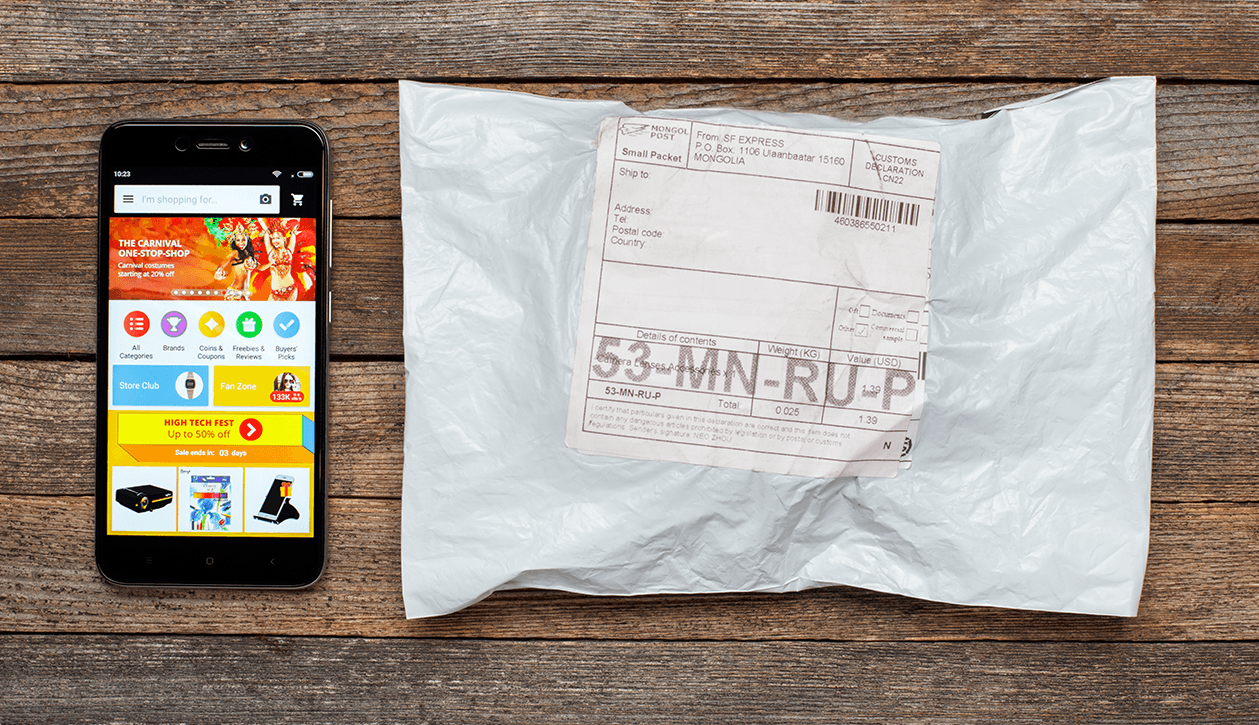
Finding a dropshipping hot product requires strategic research, not guesswork. Here's how to identify winning products:
- Focus on niches you understand deeply through passion or professional experience
- Target products that solve real customer pain points or frustrations
- Use product research tools to validate demand and analyze competitor performance
- Look for trending products early, not fads that fade quickly
- Build a family of products within a niche rather than betting on one item
How To Effectively Do Product Research To Grow And Scale Your Dropshipping Business
When you're building a dropshipping business, finding the right dropshipping hot product is critical to your long-term success. The difference between a thriving store and one that struggles often comes down to product selection.
But here's the reality: no one can hand you a guaranteed list of winning products. Why? Because if everyone sold the same items, those markets would become oversaturated instantly, and profit margins would collapse.

The real skill isn't finding a single hot product—it's learning how to consistently identify products that match your strengths and market opportunities. A product sells well because someone knows how to market it effectively, create compelling product descriptions, target the right audience, and provide unique value.
This guide breaks down effective product research into three critical areas:
- Researching profitable niches that align with your strengths
- Identifying multiple winning products within those niches
- Using dropshipping tools to validate and scale your findings
Starting with a niche focus rather than individual products builds sustainable growth. You're not dependent on one trending item—you're building a product family that serves a specific market.
Why Niche Research Comes Before Product Selection
Product discovery is what separates successful e-commerce businesses from stores filled with items no one wants to buy. You can have the best dropshipping suppliers, but if your products don't resonate with buyers, your business won't scale.
Finding a dropshipping hot product starts with understanding consumer psychology. Your products need to fulfill actual needs or desires that customers actively search for solutions to address.

Ask yourself these questions during research:
- Does this product solve a specific problem my customers face?
- Is demand seasonal or year-round?
- Are similar products selling well at major retailers?
- Can I add unique value through bundling, content, or positioning?
💡 Dropified Insight: Dropified's product research tools integrate with AliExpress, Alibaba, and eBay to help you quickly import and test products across multiple niches. Our automation handles order processing once you identify your dropshipping hot product, letting you focus on marketing and scaling.
Niche research takes time and strategic thinking. You're not just looking for products—you're identifying markets with motivated buyers and room for your unique positioning.
Proven Product Research Strategies For Finding Hot Products
The most successful dropshippers use systematic approaches to identify winning niches. Here are five strategies that consistently produce results:
1. Leverage Your Personal Passion
When you're genuinely passionate about a topic, you possess insider knowledge that competitors lack. You understand quality differences, customer pain points, and what messaging resonates with buyers.
Passion makes product selection intuitive. You'll quickly identify which items have real value versus which are low-quality cash grabs. You'll also create better marketing content because you naturally speak the language of your target audience.
The psychological advantage matters too. When challenges arise—and they will—passion keeps you motivated to push through obstacles rather than giving up.
2. Tap Into Your Professional Experience
Your career provides unique insights into products and markets that outsiders never discover. Professional experience gives you credibility and deep product knowledge, even if you're not personally passionate about the niche.
Consider the gaps you've noticed in your industry. What products would make your job easier? What frustrations do colleagues regularly complain about? These insights can reveal untapped market opportunities.

You don't need passion when you have expertise. Product knowledge and market understanding are equally valuable for building a successful dropshipping store.
3. Solve Real Customer Pain Points
Every dropshipping hot product solves a problem—either physical pain or frustration. Aspirin eliminates headaches. The iPod eliminated carrying bulky CD collections. Ring doorbells solve home security anxiety.
Your products don't need to be revolutionary. They just need to address problems that a large market actively seeks solutions for.
Small daily frustrations often make the best product opportunities. Think about minor annoyances in your own life—chances are thousands of others share that same pain point and would pay for a solution.
4. Research Other People's Passions And Hobbies
You don't need personal interest in a niche to profit from it. Hobby and passion markets are filled with enthusiastic buyers who regularly purchase products related to their interests.
Finding these niches is straightforward:
- Search Google for “list of hobbies” and explore various categories
- Visit Magazines.com/all-categories to see what topics still support print publications (a strong signal of market viability)
- Search Facebook for groups related to different interests and note their size and engagement levels
- Join relevant communities to learn their language, pain points, and product preferences
Active, engaged communities signal profitable markets. If people are discussing problems and sharing solutions, there's money to be made.
5. Capitalize On Trends Early (Not Fads)
Understanding the difference between trends and fads is crucial. Fads spike rapidly and die quickly. Trends build gradually and sustain over time.
A dropshipping hot product rides trends, not fads. Look for products gaining steady momentum rather than viral explosions that will disappear in weeks.

Monitor platforms like TikTok and Instagram Reels for emerging product categories, but validate demand through search volume and sustained interest before committing inventory or marketing budget.
Using Product Research Tools To Validate Demand
Manual research only takes you so far. Effective dropshipping tools accelerate your product discovery and validation process.
Dropified integrates with major supplier platforms like AliExpress, Alibaba, and eBay, allowing you to quickly import potential products and test them in your store. The platform's automation features handle order processing once customers purchase, letting you focus on finding more winning products.
Key metrics to validate during product research:
- Search volume: Are people actively searching for this product or solution?
- Competition level: How many sellers offer similar items, and how strong is their positioning?
- Price points: What margins can you maintain while staying competitive?
- Supplier reliability: Can you consistently source quality products with reasonable shipping times?
- Review sentiment: What do customers love or hate about existing versions?
Don't rely on gut feelings alone. Data-driven validation separates profitable products from money-losing mistakes.
Building A Product Family Within Your Niche
Once you identify a promising niche, your goal is developing a product family rather than depending on a single item. This strategy provides multiple revenue streams and protects against market shifts.
If you're selling fitness products, don't just offer resistance bands. Add yoga mats, water bottles, workout guides, and recovery tools. Each product serves the same customer base while addressing different needs.
Product families also increase average order value through bundling and cross-selling. A customer buying resistance bands is a prime candidate for workout guides or recovery foam rollers.
Understanding how many products your store should carry depends on your niche and audience, but starting with 10-20 complementary items gives you testing flexibility while maintaining focus.
Common Product Research Mistakes To Avoid
Even experienced dropshippers make critical errors during product research. Avoid these pitfalls:
Chasing saturated markets: Just because a product is popular doesn't mean you can compete profitably. Assess competition realistically.
Ignoring profit margins: A $5 product with $3 in costs and fees leaves little room for marketing and profit. Target products with at least 40-50% margins.
Skipping competitor analysis: Study successful competitors to understand what works, then find ways to differentiate your offering.
Overlooking shipping times: Long shipping times from international suppliers frustrate customers and generate refund requests. Consider USA dropshipping suppliers for faster delivery.
Neglecting SEO research: Effective dropshipping SEO helps customers find your products organically, reducing paid advertising dependency.

Taking Action On Your Product Research
Finding a dropshipping hot product is just the beginning. Success requires systematic testing, optimization, and scaling.
Start by selecting 2-3 promising niches based on the strategies outlined above. Research 10-15 potential products within each niche, then validate demand using research tools and competitor analysis.
Launch with your strongest 5-10 products and drive targeted traffic through paid ads and content marketing. Track performance metrics closely—sales, conversion rates, customer feedback, and profit margins.
Double down on winners and quickly cut losers. The products that gain traction should receive more marketing investment, while underperformers get replaced with new tests.
Dropshipping still works in 2026, but success requires strategic product selection and operational excellence. Automation tools handle the fulfillment logistics while you focus on finding products and driving traffic.
Your Next Steps For Product Research Success
Effective product research isn't about luck—it's about systematic investigation, validation, and testing. The dropshippers who consistently find winning products follow proven processes rather than chasing random opportunities.
Start with niches that align with your knowledge, passion, or professional experience. Validate demand through data and competitor analysis. Test systematically and scale what works.
The complete dropshipping strategy for 2026 combines smart product research with efficient operations and effective marketing. Master the research phase, and scaling becomes significantly easier.
Your dropshipping hot product is out there. The question is whether you'll find it before your competitors do.



Great article!