
Last Updated: February 2026
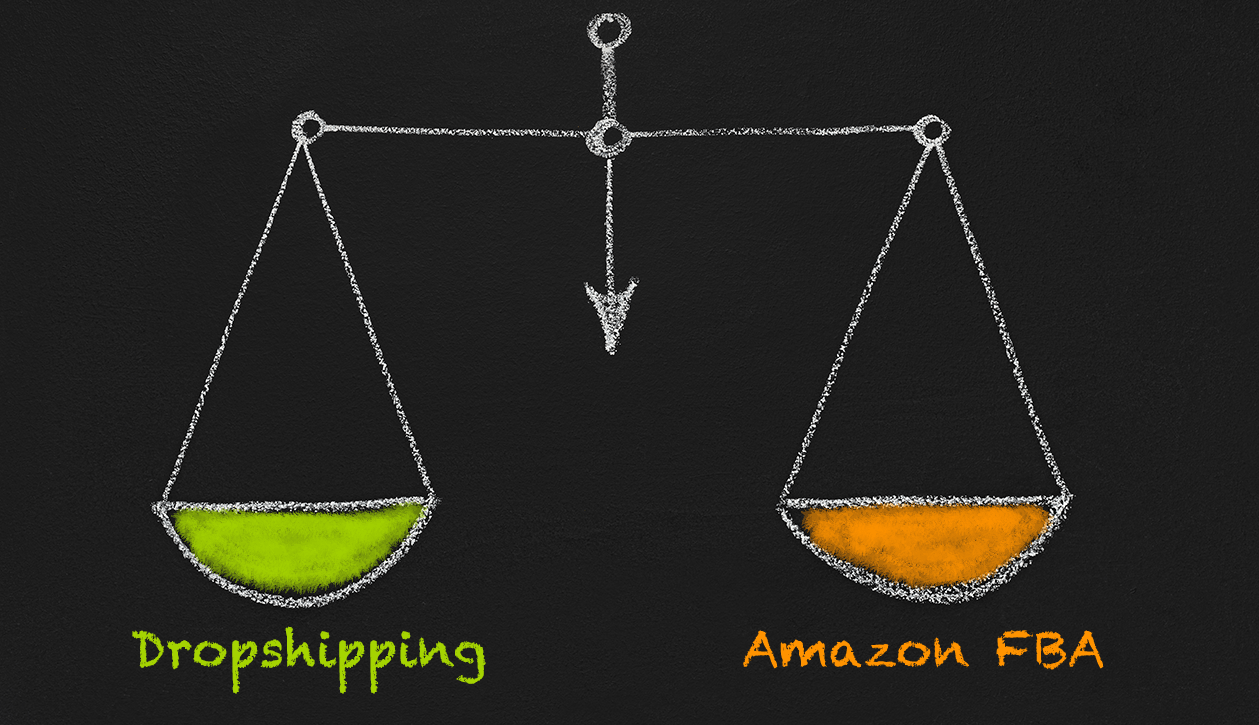
The “eCommerce Civil War” continues.
In one corner, we have Dropshipping: The low-risk, high-marketing model where you sell products you don't touch.
In the other corner, Amazon FBA: The high-investment, logistics-heavy model where you leverage the world's biggest marketplace.
In 2026, both models have changed drastically.
• Amazon has introduced “Inbound Placement Fees” and “Low-Inventory Fees,” making it expensive for beginners.
• Dropshipping has been forced to evolve away from China (thanks to Temu) and toward US Suppliers.
So, which one builds a real business? Let's break down the honest truth.
At A Glance: The 2026 Verdict
- Choose Dropshipping If: You have a low budget (<$1,000), you want to learn marketing, and you want to own your customer list (emails/SMS).
- Choose Amazon FBA If: You have capital ($5,000+), you hate running Facebook/TikTok ads, and you want a “hands-off” logistics operation.
- The Winner? The Hybrid Model. Smart sellers use Dropshipping to validate a winning product, then move to FBA to scale it.
1. Startup Cost & Risk
Dropshipping: The “Low Drag” Approach
Cost to Start: $300 – $500.
You only pay for the product after the customer pays you. Your only upfront costs are your Shopify/WooCommerce subscription, your Dropified tool, and your initial ad spend.
The Risk: Low. If a product doesn't sell, you just turn off the ad. You aren't stuck with a garage full of inventory.
Amazon FBA: The “Pay-to-Play” Approach
Cost to Start: $3,000 – $5,000 (Minimum).
You must buy inventory upfront (usually 500 units) and ship it to Amazon's warehouses.
The Risk: High. If the product flops, you are stuck with 500 units that you cannot sell, and Amazon will charge you “Long-Term Storage Fees” until you pay them to destroy it.
Winner: Dropshipping. It is the only model that allows you to fail cheap.
2. Traffic & Marketing
Dropshipping: You Are The Hunter
You have to go out and find customers on Facebook, Instagram, TikTok, or Google.
• The Good: You control the narrative. You build the brand.
• The Bad: If you stop paying for ads, your sales stop immediately.
Amazon FBA: You Are The Farmer
Amazon has 300 million customers searching for products every day. You don't need to “find” them; you just need to rank for their keywords.
• The Good: High conversion rates. People trust Prime.
• The Bad: You have no brand. Customers don't buy “Your Brand”; they buy “Amazon.”
Winner: Tie. Do you prefer running ads (Dropshipping) or optimizing keywords (Amazon)?
3. Who Owns The Customer? (The Critical 2026 Factor)
This is where the debate ends for most serious entrepreneurs.
Amazon FBA: Amazon Owns Them
When someone buys your product on FBA, you do not get their email address. You are strictly forbidden from marketing to them again. You cannot build an email list. You are renting Amazon's customers.
Dropshipping: You Own Them
When someone buys from your store, you get their email, phone number, and pixel data.
• You can email them for free next week.
• You can create “Lookalike Audiences” to find more people like them.
• Asset Value: A brand with an email list of 10,000 buyers is an asset you can sell. An Amazon account is much harder to sell.
Winner: Dropshipping. In 2026, data is the most valuable asset.
4. The “Hybrid” Strategy: How To Do Both
Smart entrepreneurs don't choose. They use Dropshipping to fund FBA.
Step 1: The Test (Dropshipping)
Use Dropified to find a product. Run ads. Test different angles.
Result: You sell 100 units. You know the product works.
Step 2: The Scale (FBA)
Now that you know the product sells, take your profits and buy 500 units in bulk. Send them to Amazon FBA.
Result: You now have Prime shipping for your winner, but you didn't risk your savings guessing what would sell.
Final Verdict: Which is Right For You?
Start with Dropshipping if:
You are new to eCommerce, have limited funds, and want to learn the skill of Digital Marketing. It is the best education you can get with low risk.
Start with Amazon FBA if:
You have significant savings, you want a “passive” income stream (eventually), and you are comfortable dealing with logistics, spreadsheets, and strict platform rules.
Ready to start the low-risk way?
Log in to Dropified to start testing products today without buying inventory.


thank you for sharing.
Have a very useful article.